
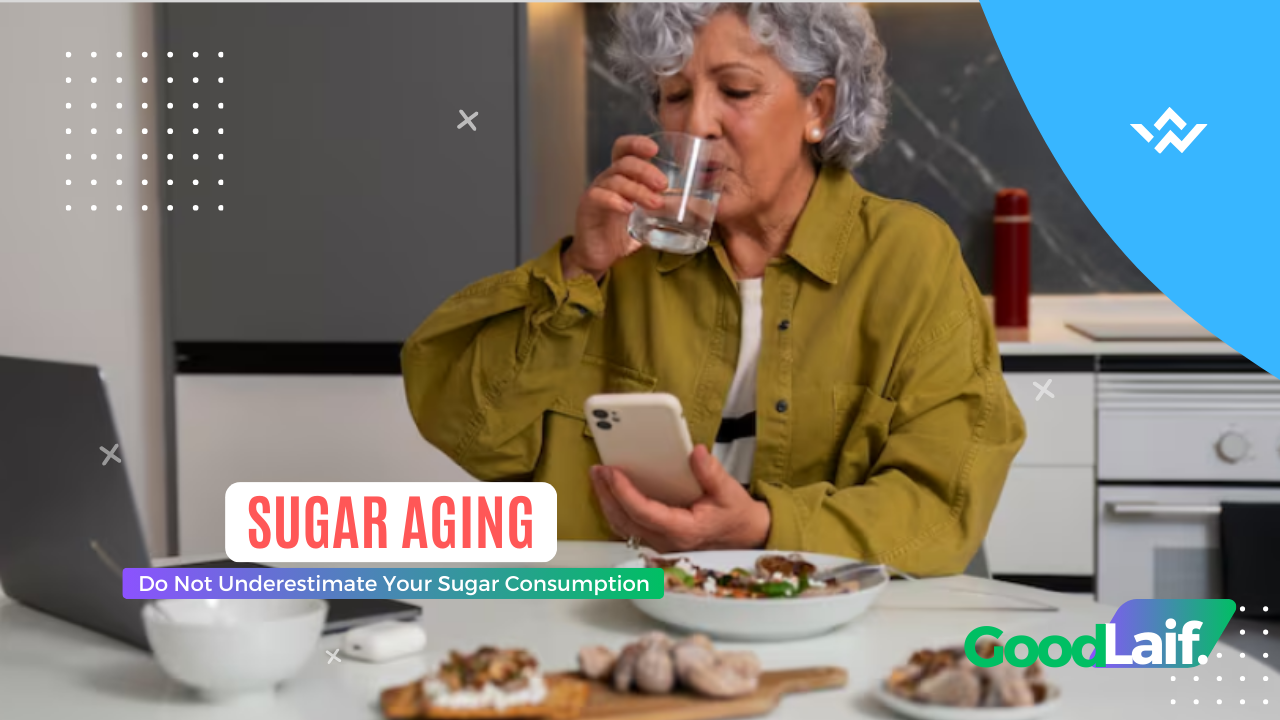
Skin aging is a biological process influenced by various factors, including age, ultraviolet exposure, oxidative stress, and lifestyle. One factor that has gained increasing attention in dermatology is excessive sugar consumption. The phenomenon known as sugar aging refers to accelerated skin aging caused by glycation, a chemical reaction between sugar molecules and proteins in the body. This article discusses the scientific mechanisms of glycation and its implications for skin health and appearance.
What Is Glycation
Glycation is a non enzymatic process in which sugar molecules, particularly glucose and fructose, bind to proteins or lipids. This reaction produces compounds known as Advanced Glycation End Products (AGEs). AGEs can accumulate in body tissues, including the skin, where they affect structure and function. Unlike normal sugar metabolism, glycation is not regulated by enzymes and tends to occur randomly, making its negative effects difficult for the body to repair.
Impact of Glycation on Collagen and Elastin
Collagen and elastin are two major components responsible for maintaining skin firmness and elasticity. AGEs formed through glycation can trigger cross linking within collagen fibers. These cross-links cause collagen to become stiff, brittle, and less capable of regenerating properly. Elastin is also affected, leading to reduced elasticity and visible skin sagging.
Damage to collagen and elastin structures contributes to the formation of fine lines, wrinkles, and decreased skin elasticity, all of which are key signs of aging.
AGEs, Inflammation, and Oxidative Stress
Beyond altering skin structure, AGEs play a role in promoting low-grade chronic inflammation. Their interaction with cellular receptors can activate inflammatory pathways that increase the production of free radicals. Long-term exposure to these free radicals accelerates aging by damaging cells and tissues. Oxidative stress induced by AGEs worsens skin conditions, causing uneven skin tone, dullness, and a heightened risk of hyperpigmentation.
Sugar Intake and the Risk of Sugar Aging
Modern diets often contain more added sugar than the body needs. Sugary beverages, processed foods, and sweet snacks contribute significantly to elevated blood glucose levels. Persistently high glucose levels accelerate the formation of AGEs, especially when this condition occurs consistently over time.
Several studies indicate that individuals with high blood sugar levels or frequent consumption of high sugar foods show signs of skin aging faster than those who follow low-sugar or low glycemic index diets.
How to Reduce the Risk of Sugar Aging
Several effective strategies can help minimize the impact of glycation on the skin, including:
- Reducing added sugar intake, including sweet drinks, pastries, and processed foods.
- Choosing foods with a low glycemic index to help stabilize blood sugar levels.
- Increasing antioxidant intake from fruits and vegetables to combat free radicals.
- Implementing a skincare routine that prioritizes antioxidant based products and ingredients that support collagen production.
- Ensuring adequate sleep and maintaining an active lifestyle to promote healthy metabolism.
Conclusion
Sugar aging is a lesser known yet significant contributor to skin aging. Through glycation, excessive sugar consumption can damage collagen and elastin, trigger free radical production, and increase skin inflammation. By understanding the biological impact of glycation, individuals can make more informed decisions regarding their diet and lifestyle to support long-term skin health. Adopting healthy habits and limiting sugar intake are essential steps to maintaining youthful, well functioning skin.
READ ALSO ARTICLE: Skin Aging Occurs Due to Your Daily Bad Habits








+ There are no comments
Add yours