
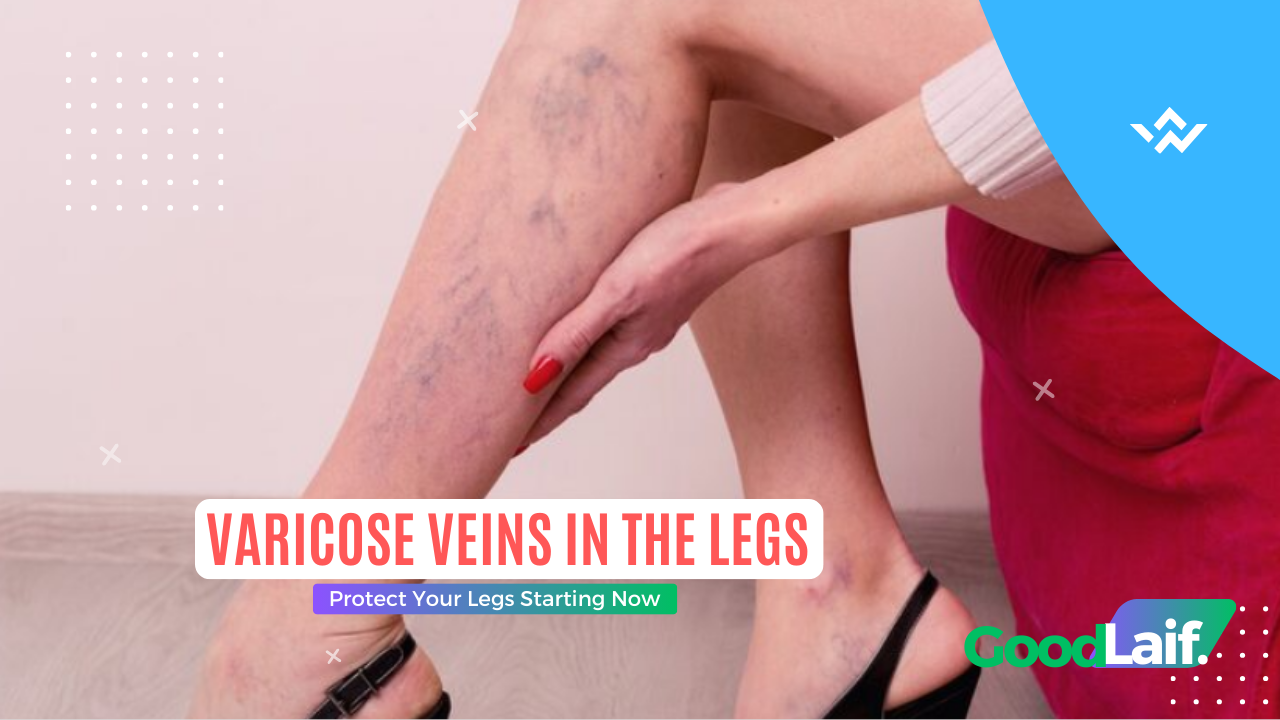
Varicose veins in the legs are a medical condition characterized by enlarged, elongated, and twisted veins that are clearly visible beneath the surface of the skin. They commonly appear on the lower limbs and often have a bluish or purplish color. Although varicose veins are frequently regarded as a cosmetic issue, they can actually cause medical complaints that interfere with quality of life if not properly managed.
Definition of Varicose Veins
Varicose veins occur due to impaired function of the venous valves, which normally ensure that blood flows back toward the heart. When these valves weaken or become damaged, blood can flow backward and accumulate in the veins. This buildup increases pressure within the veins, causing them to dilate and eventually become prominent beneath the skin.
Risk Factors for Varicose Veins in the Legs
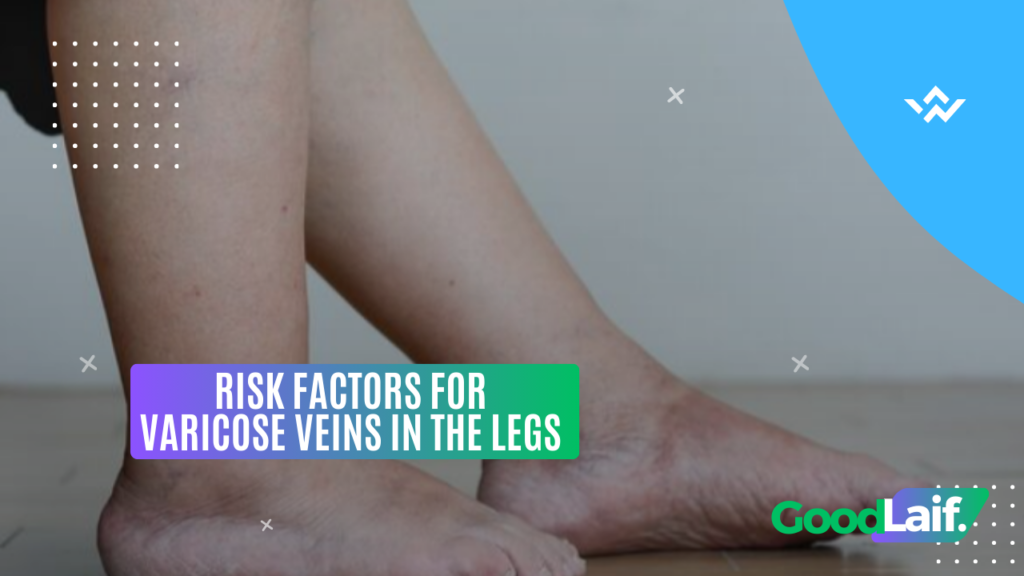
Several factors can increase a person’s risk of developing varices, including:
Age
As people age, the elasticity of blood vessels tends to decrease. This condition makes venous valves more susceptible to damage, resulting in impaired blood flow.
Gender
Varicose veins are more common in women. Hormonal changes, particularly during pregnancy, menstruation, or menopause, can affect the elasticity of vein walls and the function of venous valves.
Family History
Genetic factors play an important role in the development of varices. Individuals with a family history of varices have a higher risk of experiencing the same condition.
Occupations Requiring Prolonged Standing or Sitting
Jobs that require standing or sitting for long periods, such as teachers, cashiers, or office workers, can increase pressure on the leg veins and trigger varices.
Overweight and Obesity
Excess body weight places additional pressure on the leg veins, making it more difficult for blood to flow back to the heart.
Pregnancy
During pregnancy, blood volume increases, and the growing uterus can compress pelvic veins, which restricts blood flow from the legs back to the heart.
Symptoms of Varicose Veins
Varices do not always cause severe symptoms; however, common complaints include aching, pain, or a heavy sensation in the legs, swelling around the ankles, and muscle cramps, particularly at night. In more severe cases, varices can lead to skin discoloration, inflammation, and slow-healing wounds.
Prevention of Varicose Veins in the Legs
Varices can be prevented by adopting a healthy lifestyle and habits that support vascular health, including:
Regular Physical Activity
Exercises such as walking, cycling, or swimming can help improve blood circulation and strengthen leg muscles.
Avoiding Prolonged Standing or Sitting
If work requires remaining in one position for extended periods, it is advisable to take regular breaks to move the legs or walk briefly.
Maintaining an Ideal Body Weight
Maintaining a healthy weight helps reduce pressure on the leg veins.
Elevating the Legs During Rest
Keeping the legs elevated above heart level while resting can help blood return to the heart and reduce swelling.
Wearing Comfortable, Non-Restrictive Clothing
Tight clothing, especially around the waist and thighs, can restrict blood flow. Choosing comfortable clothing can help prevent varicose veins.
Using Compression Stockings
Compression stockings provide balanced pressure on the legs, supporting venous blood flow and preventing vein enlargement.
Conclusion
Varices in the legs are a common condition influenced by various risk factors, including age, genetics, and lifestyle. Although they are not always dangerous, untreated varices can lead to health complications. By understanding the risk factors and implementing appropriate preventive measures, the risk of developing varices can be reduced, and the health of leg veins can be maintained.
READ ALSO ARTICLE: Diabetic Foot: Proper Ways to Manage Wounds









+ There are no comments
Add yours