
Have you ever seen someone with red skin rashes accompanied by intense itching? Or perhaps felt unexplained pain on one side of the body? Many people consider these symptoms as ordinary skin problems. However, they may be caused by a single infectious agent. Interestingly, this agent can lead to different diseases depending on a person’s age. This is the fascinating world of the Varicella Zoster virus.
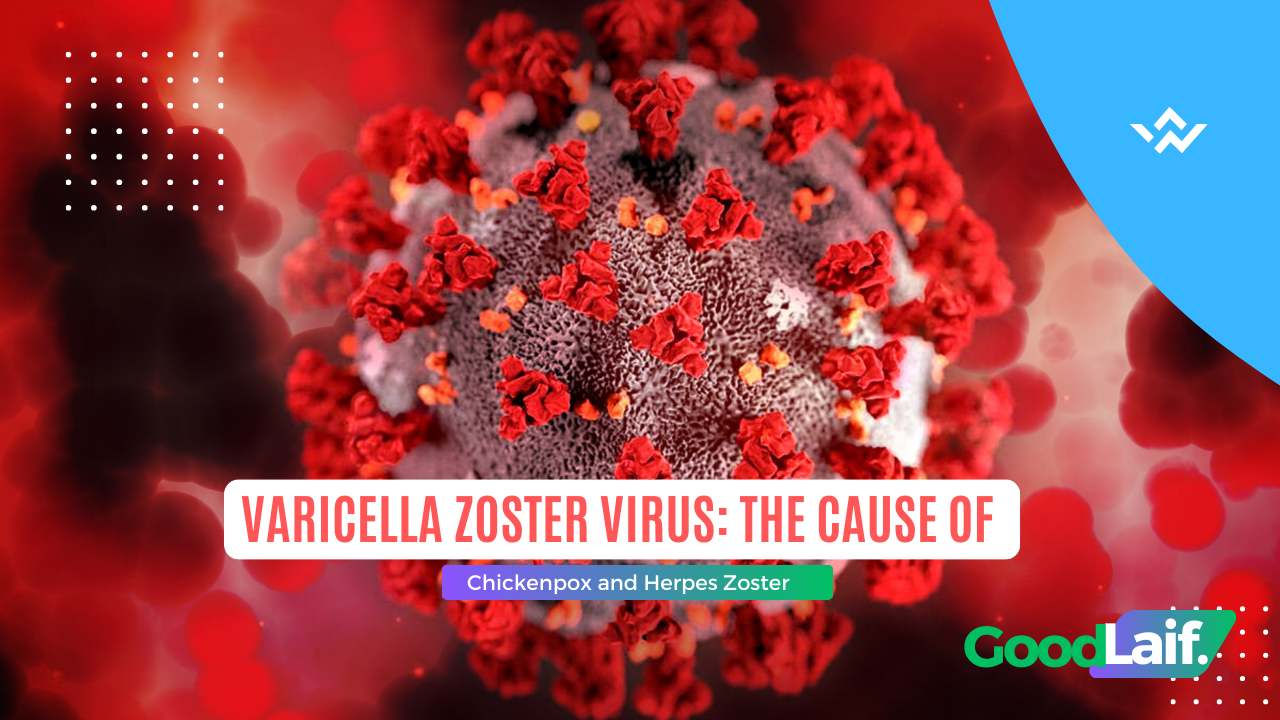
The Varicella Zoster virus (VZV) belongs to the herpesvirus family. This virus is unique because it can remain dormant in the human nervous system and reactivate years after the initial infection. VZV is responsible for two distinct conditions: chickenpox (varicella), which usually occurs in children, and herpes zoster (shingles), which typically affects adults or individuals with weakened immune systems. Although both diseases are caused by the same virus, their symptoms, risks, and treatments can differ significantly.
Chickenpox: The First Infection

The initial infection with the Varicella Zoster virus commonly occurs during childhood. At this stage, the virus causes chickenpox. Early symptoms often include mild fever, fatigue, and loss of appetite. A few days later, a characteristic red rash appears on the skin. Over time, the rash develops into small fluid-filled blisters that are extremely itchy.
Although chickenpox is often considered a mild illness in children, serious complications may occur. Secondary bacterial skin infections, pneumonia, and inflammation of the brain (encephalitis) are among the possible complications. The virus is highly contagious. It spreads through airborne droplets from coughing or sneezing, as well as through direct contact with fluid from the blisters. After recovery, the body usually develops long-term immunity. However, this does not mean the virus is completely eliminated from the body.
Herpes Zoster: Reactivation of a “Dormant” Virus
After the initial infection, the Varicella Zoster virus does not disappear. Instead, it hides in the nerve ganglia near the spinal cord. In some individuals, particularly older adults or those with weakened immune systems, the virus can become active again. This reactivation results in herpes zoster, also known as shingles.
Herpes zoster is characterized by a painful rash that typically appears on one side of the body. The rash usually follows a specific nerve pathway. In addition to the rash, affected individuals may experience burning sensations, tingling, or sharp pain. In some cases, the pain persists even after the rash has healed. This condition is known as postherpetic neuralgia. It highlights the remarkable ability of VZV to remain in the human body and evade the immune system for decades.
Prevention and Treatment
Vaccination is an effective way to prevent Varicella Zoster virus infection. The chickenpox vaccine is commonly recommended during childhood to reduce the risk of infection and complications. Meanwhile, the herpes zoster vaccine is advised for adults aged 50 years and older. This vaccine helps lower the risk of virus reactivation and reduces the severity of symptoms if shingles occurs. Maintaining a strong immune system is also essential to prevent the virus from becoming active again.
Treatment for chickenpox is generally supportive. Antihistamines are often used to relieve itching, while fever-reducing medications help improve comfort. In cases of herpes zoster, antiviral medications are strongly recommended. Early treatment is particularly important, as it can shorten the duration of the disease and reduce the severity of pain.
Read Also : Stages of Chickenpox: Symptoms and Disease Progression
Conclusion
The Varicella Zoster virus may seem simple as the cause of chickenpox in children. However, it has an extraordinary ability to remain in the human body for a long time. The virus can reappear later in life as herpes zoster, causing significant discomfort. Understanding how this virus behaves is crucial for effective prevention, timely treatment, and reducing the risk of complications. Therefore, red skin rashes should never be ignored, as they may signal the presence of one of the most intriguing viruses in medical science.







+ There are no comments
Add yours