
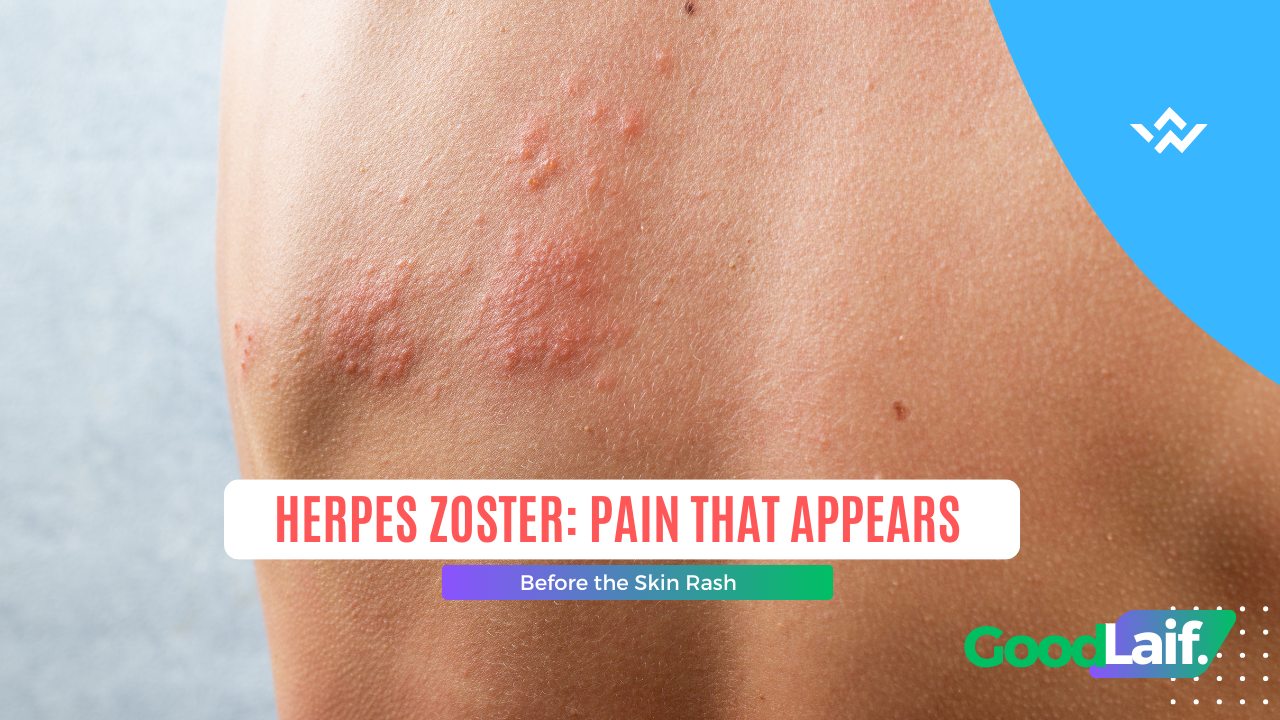
Imagine feeling a sharp, burning pain on one side of your body, as if the skin is on fire, even though there is no visible wound. The discomfort slowly worsens and begins to interfere with daily activities. A few days later, a red rash suddenly appears and becomes painful to the touch. Many people mistake this condition for a simple skin irritation. In reality, these symptoms may be early signs of herpes zoster, a disease that often develops without warning and can cause long-lasting pain.
Herpes zoster, commonly known as shingles, is a skin condition caused by the reactivation of the Varicella Zoster virus. This virus is the same pathogen responsible for chickenpox. Even after chickenpox has healed, the virus does not completely leave the body. Instead, it remains dormant within the nervous system, sometimes for decades, without causing any symptoms.
Why Does Herpes Zoster Occur?
The reactivation of the Varicella Zoster virus is closely linked to the condition of the immune system. As part of the natural aging process, the body’s ability to fight infections gradually weakens. This is why herpes zoster is more common among older adults. However, age is not the only factor. Chronic stress, extreme fatigue, certain medical conditions, and the use of immunosuppressive medications can also reduce immune defenses.
When the immune system becomes less effective, the dormant virus can awaken and travel along nerve pathways. This process explains why herpes zoster usually affects only one side of the body. The rash often follows a specific nerve route, appearing on areas such as the chest, back, abdomen, neck, or face. This distinctive pattern helps differentiate herpes zoster from other skin disorders.
Early Symptoms That Are Often Overlooked
In its initial stage, herpes zoster can be difficult to recognize. Many people first experience tingling, itching, or pain in a specific area of the skin without any visible rash. This pain may feel stabbing, burning, or electric in nature. Because there are no obvious skin changes at first, these symptoms are frequently mistaken for muscle pain or nerve-related issues.
Within a few days, red patches begin to appear, followed by small fluid-filled blisters. These blisters can be extremely painful and sensitive. Over the course of one to two weeks, they gradually dry out and form scabs. Additional symptoms such as mild fever, headache, and fatigue may also accompany the rash, making the individual feel unwell overall.
Possible Complications of Herpes Zoster
Herpes zoster should not be underestimated. One of the most common and troublesome complications is postherpetic neuralgia, a condition in which nerve pain persists long after the rash has healed. This pain can last for months or even years and may significantly reduce quality of life, particularly in older adults.
When herpes zoster affects the face, especially the area around the eyes, the risk of complications increases. Vision problems or eye damage may occur if treatment is delayed. Secondary bacterial infections of the skin are also possible, particularly if the blisters are scratched or not properly cared for.
Prevention and Treatment Options
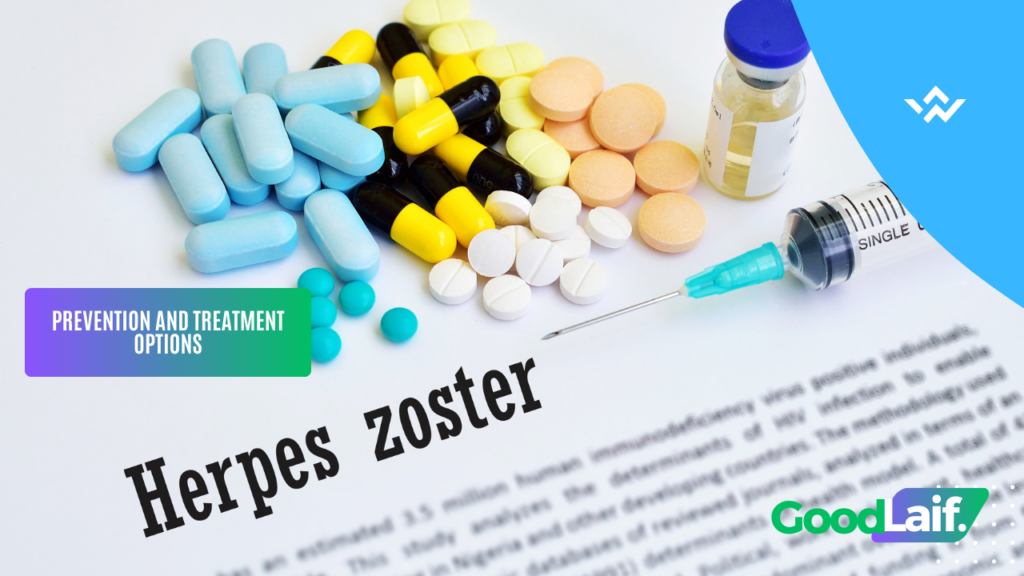
Vaccination is one of the most effective ways to reduce the risk of herpes zoster. The shingles vaccine is recommended for adults aged 50 and older to help prevent the disease or lessen its severity. Maintaining a healthy lifestyle, managing stress, getting enough sleep, and supporting immune health also play important roles in prevention.
Treatment for herpes zoster usually involves antiviral medications. These drugs are most effective when started within the first 72 hours after the rash appears. Early treatment can help shorten the duration of the illness, reduce pain, and lower the risk of complications. Pain relievers and proper skin care are also essential to ease discomfort during recovery.
Read Also : Varicella Zoster Virus: The Cause of Chickenpox and Herpes Zoster
Conclusion
Herpes zoster is a condition that can strike suddenly and cause significant pain before a rash becomes visible. It results from the reactivation of a virus that has remained hidden in the body since childhood. By recognizing early symptoms, taking preventive measures such as vaccination, and seeking prompt medical treatment, the impact of herpes zoster can be minimized. Awareness and early action are key to protecting long-term health and maintaining a good quality of life.






+ There are no comments
Add yours