
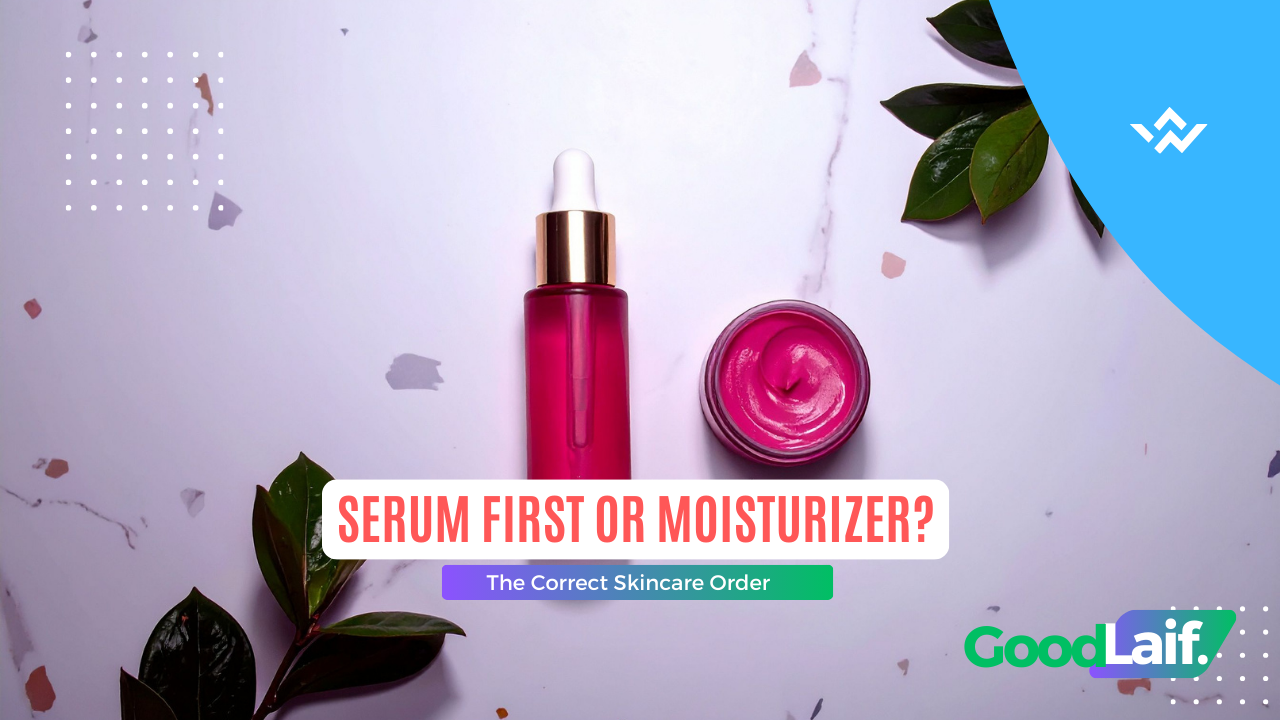
Have you ever stood in front of the mirror holding two skincare products and wondered, serum first or moisturizer? This question may seem simple, but it still confuses many people, especially those who are just starting a skincare routine. Using products in the wrong order can make skincare less effective and may even trigger new skin problems.
With so many skincare products available today, understanding the correct order of application is essential to get the best results. To clear up the confusion, let’s break it down in a simple and easy-to-understand way.
Understanding the Function of Serum and Moisturizer
Before deciding whether serum first or moisturizer, it’s important to understand the role of each product. Serum is a skincare product with a lightweight texture and a high concentration of active ingredients. It is designed to penetrate deeper into the skin and target specific concerns such as acne, dark spots, dull skin, or signs of aging.
Moisturizer, on the other hand, works to maintain skin hydration. It helps lock moisture into the skin, strengthen the skin barrier, and prevent dryness and irritation. Compared to serum, moisturizer usually has a thicker texture.
Serum First or Moisturizer: Which One Is Correct?
The answer to the question serum first or moisturizer is clear: serum should be applied first, followed by moisturizer. This order is based on the texture and function of the products. Lightweight products like serum need to be applied first so their active ingredients can absorb properly into the skin.
If moisturizer is applied first, its thicker layer can block the serum from penetrating the skin. As a result, the serum may not work as effectively, even if you are using high-quality products.
Why Serum Should Be Applied First
Serum is formulated with finer particles, allowing it to absorb into deeper layers of the skin. When used at the early stage of your skincare routine, serum can directly address specific skin concerns. Once the serum has absorbed, moisturizer helps seal in the active ingredients and keep them working longer.
This order also helps maintain proper skin hydration. Serum works from within the skin, while moisturizer protects the skin from external factors such as pollution and dry air.
How to Use Serum and Moisturizer Correctly
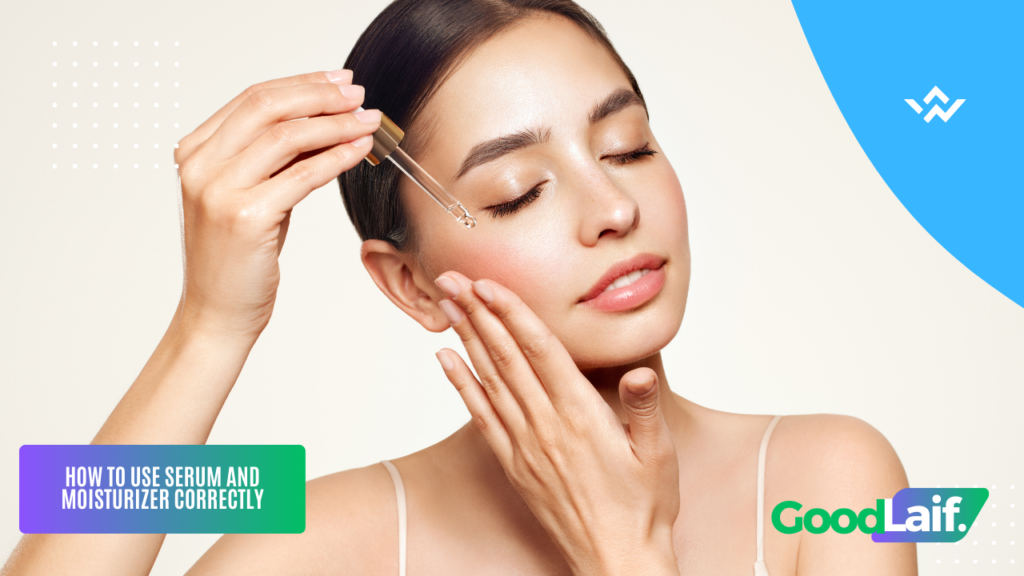
For best results, apply serum to a clean face after cleansing and toning. Use a small amount of serum and gently spread it over your face and neck. Wait about 30–60 seconds to allow the serum to fully absorb before moving on to the next step.
After that, apply moisturizer evenly across the face. Massage gently so the product blends well into the skin. This step is crucial to keep your skin hydrated throughout the day or night.
Does This Order Apply to All Skin Types?
The serum-first-then-moisturizer rule applies to all skin types, including oily, dry, combination, and sensitive skin. However, the type of serum and moisturizer you choose should still match your skin condition.
People with oily skin should opt for lightweight, non-comedogenic formulas to avoid clogged pores. Meanwhile, those with dry skin may need richer moisturizers to maintain optimal hydration.
Common Mistakes When Using Serum and Moisturizer
One common mistake is using too much serum. In reality, just a few drops are enough. Another mistake is not waiting for the serum to absorb before applying moisturizer, which can cause the products to mix and reduce their effectiveness.
Some people also skip moisturizer, thinking serum alone is sufficient. However, without moisturizer, the skin can lose moisture and may even produce more oil as a reaction.
Read Also : How to Get Rid of Facial Redness Naturally and Safely
Conclusion
If you are still wondering serum first or moisturizer, the answer is simple: always apply serum first, then follow with moisturizer. This order allows active ingredients to work more effectively and helps keep your skin hydrated and balanced. With the right routine and consistent use, your skincare products will deliver better and more visible results.







+ There are no comments
Add yours