
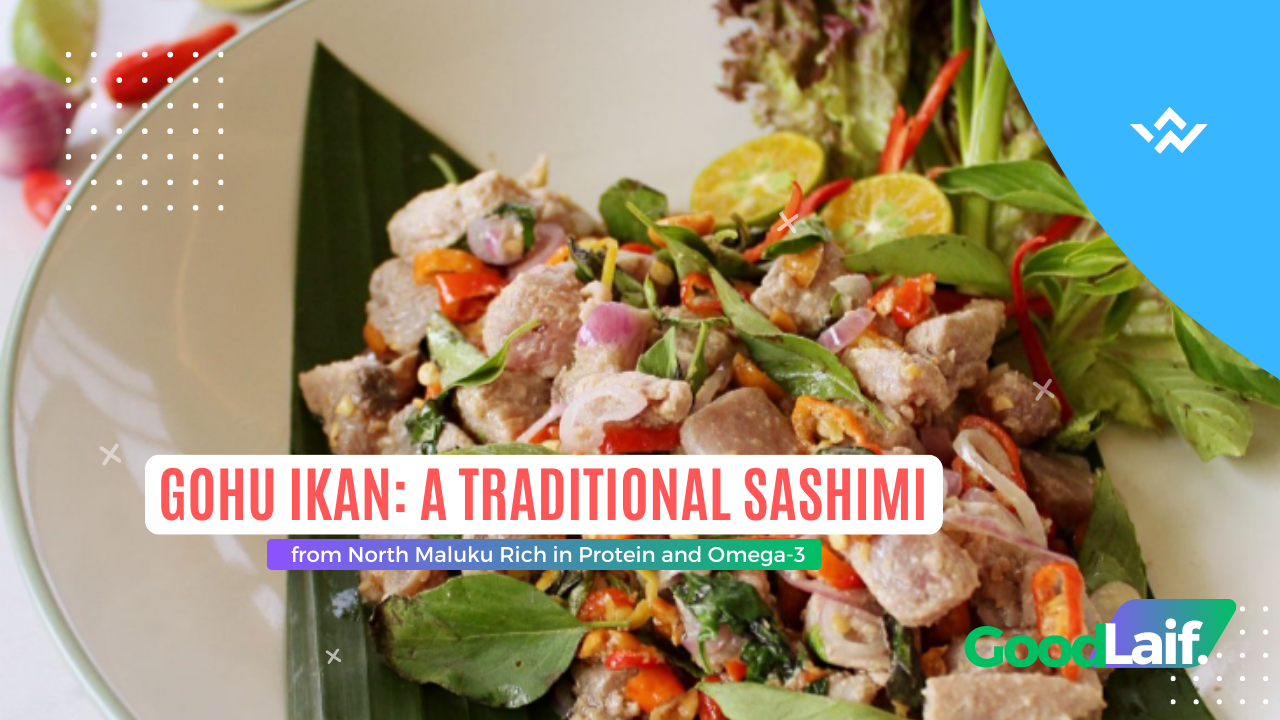
Indonesia is widely known as an archipelagic country with a rich culinary heritage rooted in marine resources. One traditional dish that reflects the close relationship between coastal communities and the sea is Gohu Ikan, a traditional food from North Maluku often referred to as Indonesia’s version of sashimi. Beyond its cultural significance, this food offers notable health benefits due to its high protein content and abundance of omega-3 fatty acids.
Origin and Cultural Significance of Gohu Ikan
Gohu Ikan originates from North Maluku, particularly from the islands of Ternate and Tidore, regions historically recognized for their strong maritime traditions and abundant seafood resources. The practice of consuming raw fish symbolizes respect for the freshness and quality of the ocean’s bounty.
Traditionally, Gohu Ikan is served during family gatherings, customary events, and daily meals. Its simple preparation reflects the local philosophy of living in harmony with nature and utilizing natural resources without excessive processing.
Traditional Ingredients and Preparation Method
The main ingredient of this food is fresh saltwater fish, most commonly tuna or skipjack, chosen for their firm texture and distinctive flavor. The fish is cut into small cubes and mixed with lime or local citrus juice to reduce any fishy odor.
Additional ingredients include sliced shallots, chili peppers, basil leaves, and hot coconut oil poured over the mixture. The hot oil enhances aroma and flavor without fully cooking the fish, allowing the texture and nutritional value to remain largely intact.
Nutritional Content of Gohu Ikan
Gohu Ikan is a nutrient-dense dish, primarily due to its fresh fish base. Key nutritional components include:
- High-quality animal protein, essential for tissue growth and repair.
- Omega 3 fatty acids, particularly EPA and DHA, which are beneficial for heart and brain health.
- Vitamins and minerals, such as B-complex vitamins, selenium, and phosphorus, which support metabolism and immune function.
Because the fish is not subjected to intense heat, most of these nutrients are preserved, making Gohu Ikan a highly nutritious traditional dish.
Health Benefits of Gohu Ikan
When consumed as part of a balanced diet, Gohu Ikan may provide several health benefits:
- Supporting cardiovascular health
Omega-3 fatty acids help maintain healthy cholesterol levels and reduce the risk of cardiovascular diseases. - Enhancing brain function
DHA plays a vital role in maintaining cognitive function and memory. - Maintaining muscle mass and immune function
The protein content contributes to muscle maintenance and supports the body’s immune system. - Suitable for a healthy dietary pattern
Gohu Ikan is relatively low in saturated fat and carbohydrates, making it suitable for balanced and health conscious diets.
Gohu Ikan in the Context of Modern Cuisine
In recent years, This food has gained recognition beyond North Maluku and is increasingly introduced as a healthy dish rooted in local wisdom. Restaurants and small culinary businesses have begun to adapt its presentation by applying modern food safety and hygiene standards, ensuring wider acceptance without compromising its authentic taste.
Its uniqueness positions this food as both a culinary attraction and a cultural ambassador of North Maluku, demonstrating that traditional Indonesian foods align well with global healthy eating concepts.
Conclusion
This food is more than a traditional dish; it is a reflection of North Maluku’s maritime culture and a source of valuable nutrition. Rich in protein and omega-3 fatty acids, Gohu Ikan deserves recognition as a local culinary heritage that contributes to public health. Preserving and promoting this food at national and international levels is an important step toward safeguarding Indonesia’s culinary traditions while encouraging healthy, locally based dietary practices.
READ ALSO ARTICLE: Soy Milk Protein: A Complete Plant Based Protein Source














+ There are no comments
Add yours