
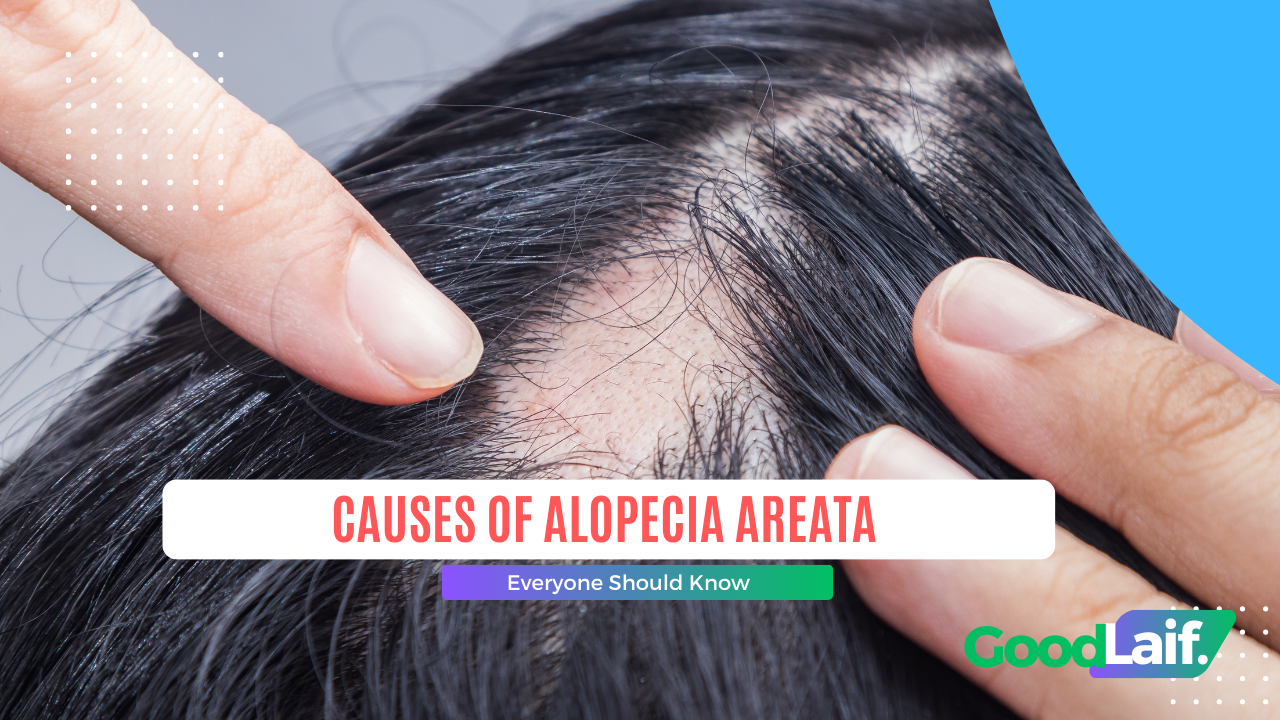
Imagine looking in the mirror one day and noticing a round patch of hair loss with clear edges. There is no pain or itching, yet the hair seems to disappear overnight. Many people assume it is just normal hair shedding, but this sudden hair loss can be a sign of alopecia areata. This condition often appears without warning and can cause emotional distress. Understanding the causes of alopecia areata is an important first step toward managing it properly.
What Is Alopecia Areata?
Alopecia areata is an autoimmune condition that causes sudden hair loss in specific areas, most commonly on the scalp. The hair loss typically appears in round or oval patches, but it can also affect eyebrows, eyelashes, beards, and other body hair. Unlike common baldness, alopecia areata does not permanently damage hair follicles, which means hair can potentially grow back.
Causes of Alopecia Areata
1. Immune System Disorders
The primary cause of alopecia areata is a malfunction of the immune system. In this condition, the immune system mistakenly attacks healthy hair follicles, disrupting the normal hair growth cycle. As a result, hair falls out suddenly.
2. Genetic Factors
Genetics also play a role in the development of alopecia areata. People with a family history of this condition or other autoimmune diseases are at a higher risk. Although it is not always directly inherited, genetic susceptibility increases the likelihood of developing alopecia areata.
3. Excessive Stress
Physical and emotional stress are often linked to the onset of alopecia areata. Prolonged stress, emotional trauma, extreme fatigue, or major life changes can trigger immune responses that affect hair follicles.
4. Other Autoimmune Diseases
Alopecia areata is more common in individuals who have other autoimmune conditions, such as type 1 diabetes, lupus, rheumatoid arthritis, or thyroid disorders. This connection highlights the role of immune system imbalance in the disease.
5. Infections and Environmental Triggers
Although further research is needed, certain viral infections and environmental factors—such as exposure to chemicals, pollution, or hormonal changes—are believed to trigger alopecia areata in susceptible individuals.
Symptoms of Alopecia Areata
The most recognizable symptom of alopecia areata is patchy hair loss with smooth, normal-looking skin. In some cases, changes in the nails may also occur, including fine lines, rough texture, or brittle nails. The severity of the condition varies from person to person.
Can Alopecia Areata Be Cured?

Alopecia areata is not always permanent. In many cases, hair regrows naturally within a few months, although the condition can recur. Treatments focus on suppressing immune reactions and stimulating hair regrowth, but results may differ for each individual.
How to Manage Alopecia Areata
Managing stress is a key part of controlling alopecia areata. Maintaining a healthy lifestyle, getting enough sleep, eating a balanced diet, and consulting a dermatologist can help support immune health and hair growth.
Read Also : How to Make Hair Soft and Naturally Flowing
Conclusion
The causes of alopecia areata are closely linked to immune system disorders, genetic factors, stress, and other autoimmune conditions. With proper understanding and appropriate treatment, this condition can be managed without significantly affecting quality of life. Early awareness of the causes allows individuals to approach alopecia areata with confidence and informed care.







+ There are no comments
Add yours