
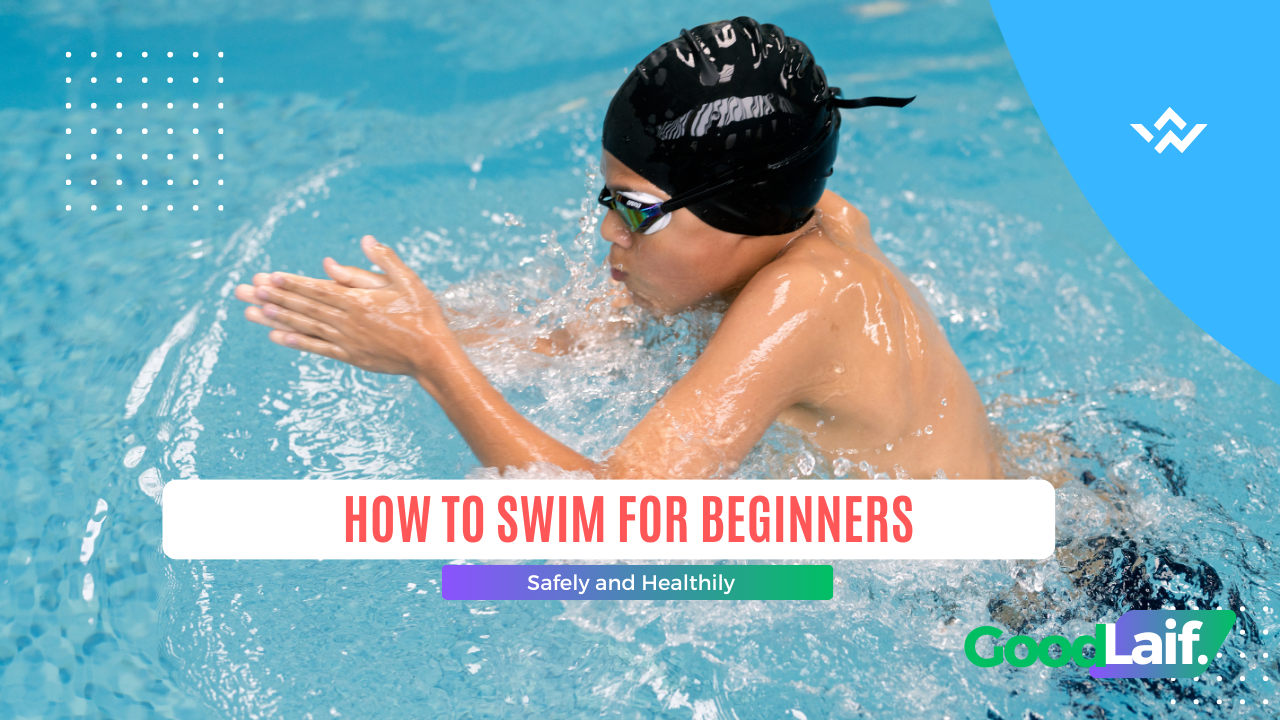
How to swim for beginners safely and healthily is a common question for people who want to start an active lifestyle but still feel afraid of water. Many beginners—especially adults—believe that swimming is difficult, dangerous, or only for those who learned it as children. In reality, swimming is a skill that anyone can learn at any age, as long as it is done gradually and correctly.
Swimming is not only a sport but also a valuable life skill that supports both physical and mental health. With the right approach, beginners can learn to swim safely while enjoying its many health benefits.
Why Swimming Is Good for Your Health
Swimming is considered a low-impact exercise, meaning it puts minimal stress on joints and muscles. This makes it ideal for beginners, people with excess weight, and even older adults.
Some of the main health benefits of swimming include:
- Improving heart and lung health
- Strengthening muscles throughout the body
- Helping manage body weight
- Reducing stress and anxiety
- Improving breathing control and endurance
To gain these benefits, beginners need to focus on safety and proper technique.
1. Overcoming Fear of Water
The first step in how to swim for beginners is becoming comfortable in the water. Fear is normal, especially for those who have never learned to swim before. Start in a shallow pool where the water level is around waist or chest height.
Stand calmly in the water and allow your body to adjust. Take slow, deep breaths and try to relax. Tension makes it harder for the body to float, while relaxation helps you feel more stable and confident.
2. Learning Basic Breathing Techniques
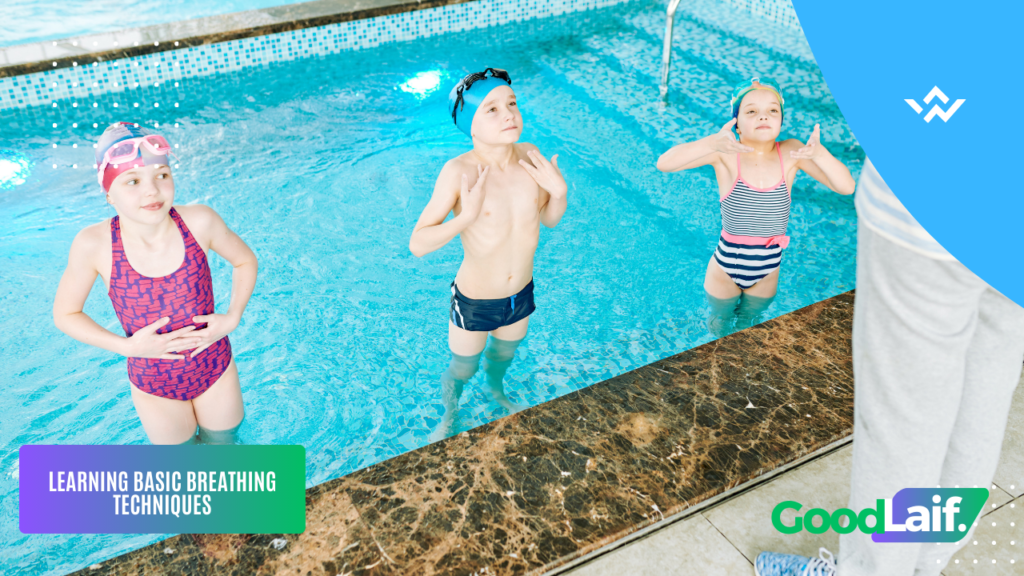
Breathing is one of the most important skills in swimming. Many beginners panic because they hold their breath for too long.
Try this simple breathing exercise:
- Take a breath through your mouth above the water
- Put your face into the water
- Slowly exhale through your nose or mouth
- Lift your head and repeat
Practicing controlled breathing helps reduce panic and improves overall swimming comfort.
3. Practicing Floating Safely
Floating is a key skill that helps prevent sinking and builds confidence. Most people can float naturally if they remain relaxed.
To practice floating on your back:
- Hold the pool edge if needed
- Slowly lean back into the water
- Stretch your arms and legs
- Keep your face above water and breathe normally
Using a floatation device or asking for assistance can help beginners feel safer during this stage.
4. Basic Kicking Techniques
Once you are comfortable floating, start practicing basic leg movements, often called flutter kicks.
How to practice:
- Hold onto the pool edge or a kickboard
- Keep your legs straight
- Gently kick up and down
- Avoid bending your knees too much
These movements help propel your body forward and strengthen leg muscles.
5. Learning Arm Movements Gradually
Beginners should practice arm movements separately before combining them with breathing and kicking.
Basic freestyle arm movement:
- Stretch one arm forward
- Pull it down and back through the water
- Push past your hip
- Alternate with the other arm
This improves coordination and upper body strength.
6. Combining Movements Slowly
After practicing breathing, floating, kicking, and arm movements separately, try combining them slowly. Do not rush. Swimming a short distance is enough at the beginning.
If you feel tired or anxious, stop and hold onto the pool edge. Safety should always be your top priority.
7. Safety Tips for Healthy Swimming
To ensure swimming remains safe and beneficial:
- Warm up before entering the pool
- Use swimming goggles to protect your eyes
- Avoid swimming alone
- Stay hydrated before and after swimming
- Practice regularly, about two to three times per week
Read Also : Warm-Up Before Swimming: Why It’s So Important?
Conclusion
How to swim for beginners safely and healthily starts with patience, proper technique, and a calm mindset. Swimming is not about speed or perfection—it is about comfort, safety, and consistency. When practiced correctly, swimming becomes one of the healthiest and most enjoyable forms of exercise.





+ There are no comments
Add yours