
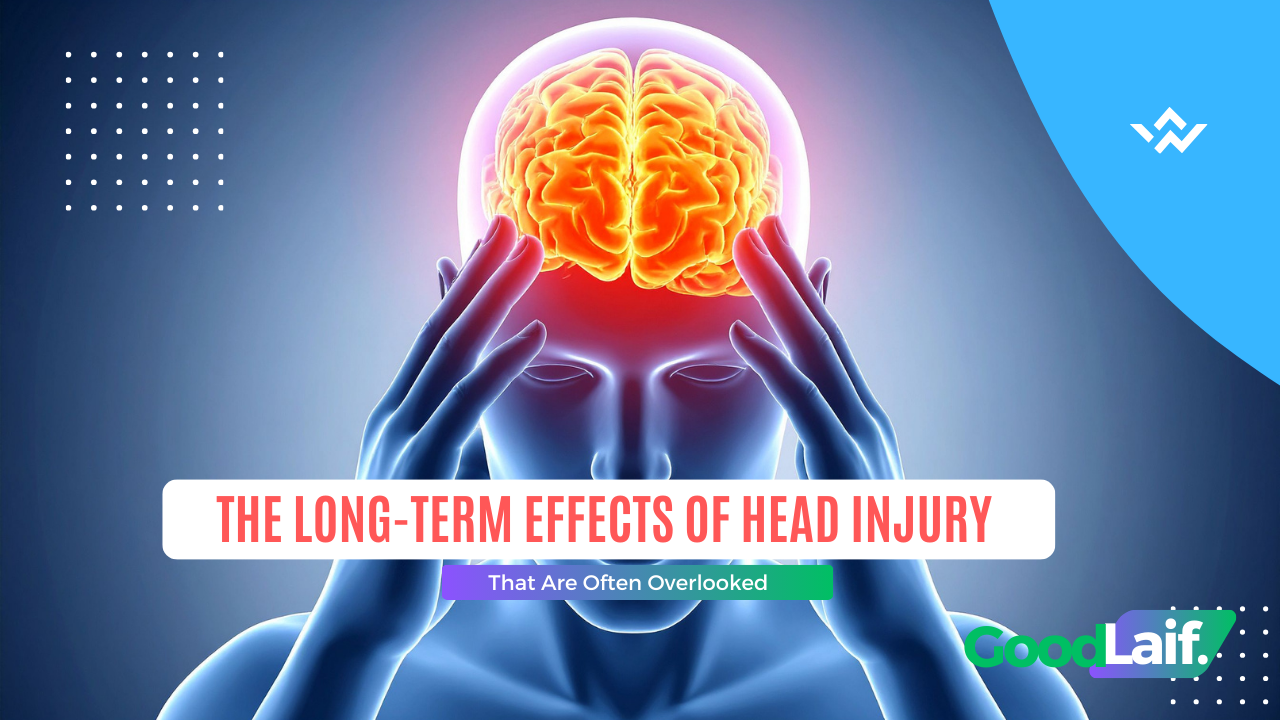
Have you ever hit your head and felt fine just a few days later? No dizziness, no bleeding, and life seemed to return to normal. However, what many people don’t realize is that the real impact may appear much later. This is why the long-term effects of head injury are often underestimated, even though they can seriously affect brain health.
A head injury does not always cause immediate severe symptoms. In many cases, the body appears to recover, but the brain may still be undergoing subtle changes. Over time, these changes can influence physical health, emotional stability, and overall quality of life.
What Happens When the Head Suffers an Impact?
When the head is hit, the brain can shift inside the skull and collide with its inner walls. This sudden movement may damage brain tissue, blood vessels, or nerve connections. Even a mild impact can result in a concussion.
Although symptoms such as dizziness or nausea may fade quickly, the brain often needs a much longer recovery period than most people realize.
Long-Term Effects of Head Injury to Watch Out For
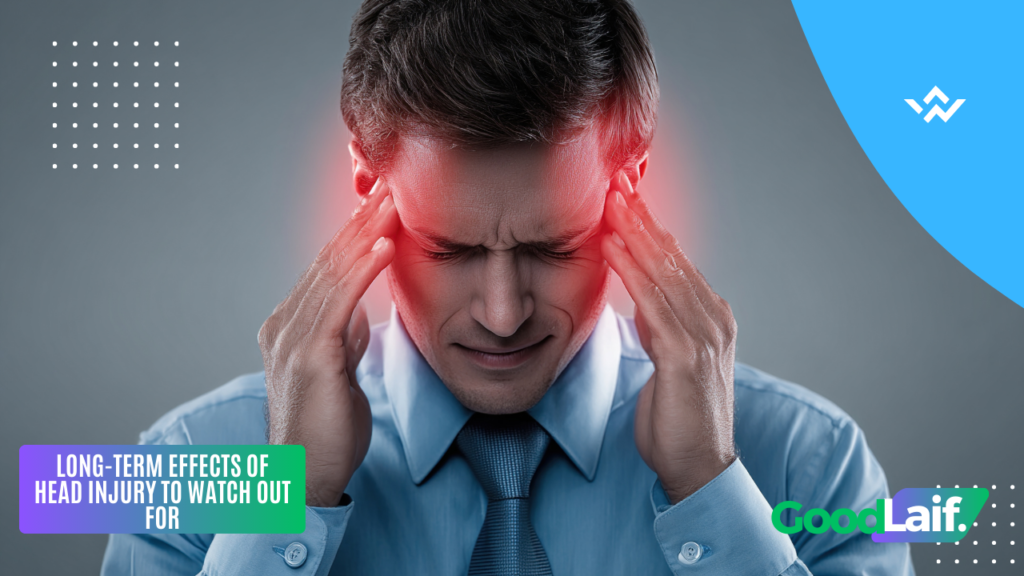
Several long-lasting complications may develop after a head injury, including:
1. Memory and Concentration Problems
One of the most common long-term effects is difficulty focusing and remembering information. People may feel mentally slower, forgetful, or easily distracted during daily activities.
2. Chronic Headaches
Persistent headaches can occur months or even years after the injury. These headaches may appear without a clear trigger and can interfere with work and daily routines.
3. Emotional and Behavioral Changes
The long-term effects of head injury may also involve mood disturbances. Individuals can become more irritable, anxious, depressed, or experience noticeable personality changes.
4. Sleep Disorders
Many people report insomnia, frequent nighttime awakenings, or poor sleep quality following a head injury, which can worsen other symptoms.
5. Increased Risk of Brain Disorders
Repeated head impacts may raise the risk of developing neurological conditions later in life, including cognitive decline and other degenerative brain disorders. This risk is often observed in athletes involved in contact sports.
Why Do Symptoms Appear Later?
The brain has a remarkable ability to compensate for damage. Unfortunately, this adaptability can delay warning signs. Minor injuries may not show immediate consequences, but over time, damaged nerve cells may struggle to function properly.
In addition, stress, fatigue, and lack of proper rest can accelerate the appearance of long-term symptoms.
When Should You Seek Medical Attention?
You should consider seeing a medical professional if you experience:
- Persistent headaches
- Ongoing dizziness or nausea
- Difficulty concentrating or remembering
- Sudden mood changes
- Vision or hearing disturbances
Early evaluation is essential to prevent further complications and support proper recovery.
How to Reduce the Risk of Long-Term Complications
There are several ways to minimize the long-term effects of head injury:
- Get adequate rest after any head impact
- Avoid intense physical activity during recovery
- Use protective headgear during sports or riding
- Never ignore even mild head trauma
Proper care during the early stages can significantly reduce future risks.
Read Also : Throbbing Headache: Causes and How to Relieve It
Conclusion
The long-term effects of head injury should never be taken lightly. Even when symptoms seem mild at first, hidden damage can surface years later and disrupt daily life. Understanding the warning signs and seeking timely medical care are crucial steps in protecting long-term brain health.








+ There are no comments
Add yours