
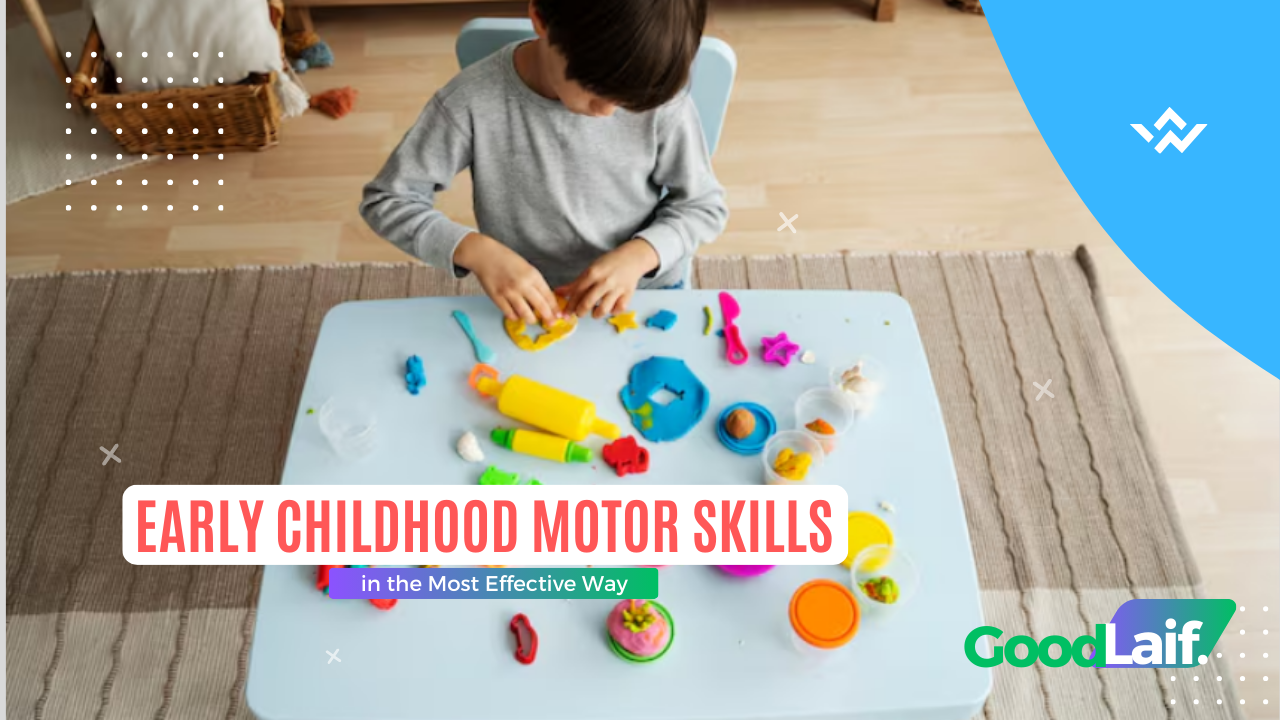
Physical activity plays a very important role in supporting the growth and development of early childhood. In the age range of 0-6 years, children are in a golden period of physical, motor, cognitive, and socio-emotional development. Through directed physical activities that are appropriate to their age, children not only become healthier, but also train their motor skills to recognize their bodies, develop basic abilities, and build active lifestyle habits from an early age.
Definition of Physical Activity in Early Childhood
Physical activity in early childhood refers to any form of body movement that involves muscles and requires energy, whether carried out in a structured manner or through free play. These activities can include playing, moving, jumping, running, dancing, or other simple activities performed in a fun and safe way.
Benefits of Physical Activity for Early Childhood

Physical activity provides various important benefits for child development, including:
- Supporting physical growth and overall health
Active movement helps strengthen bones and muscles, as well as improve children’s immune systems. - Developing gross and fine motor skills
Activities such as running, jumping, and throwing train gross motor skills, while activities like stacking blocks or drawing support fine motor development. - Improving cognitive abilities
Physical activity can stimulate brain function, increase concentration, and help children understand concepts of space, direction, and balance. - Building social and emotional skills
Playing with peers teaches children cooperation, turn-taking, and emotional regulation. - Preventing sedentary habits from an early age
Children who are accustomed to being physically active tend to maintain a healthier lifestyle into adulthood.
Types of Physical Activities Suitable for Early Childhood
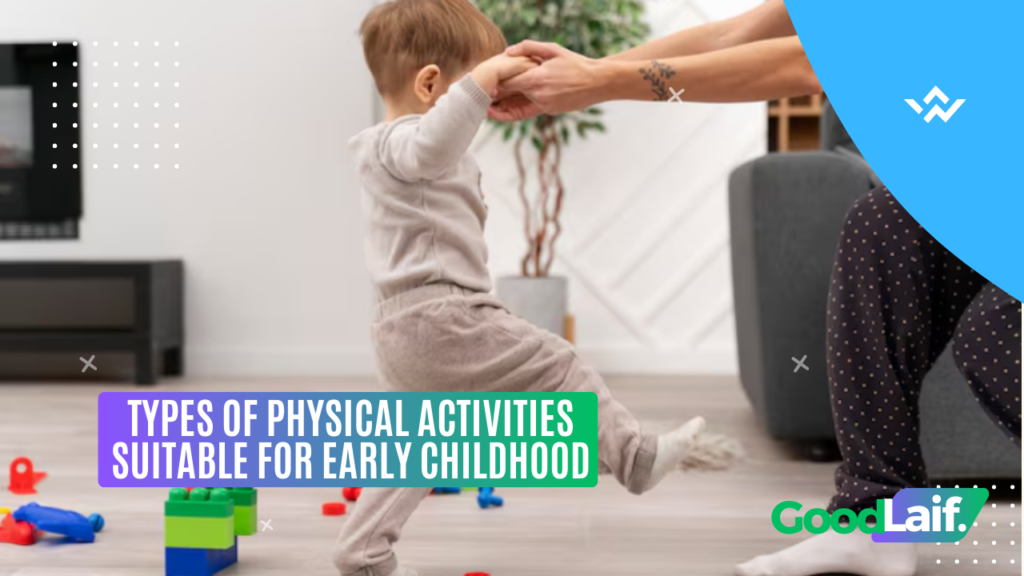
1. Active Outdoor Play
Outdoor activities such as running, playing ball, or riding small bicycles are very effective for developing gross motor skills. These activities also give children opportunities to explore their surroundings and receive sunlight exposure, which is beneficial for bone health.
2. Jumping and Balance Games
Simple games such as jumping rope, hopping over lines, or walking on balance boards help improve body coordination, muscle strength, and balance.
3. Exercise and Rhythmic Movement
Children’s exercises or movement with music are fun and easy-to-follow physical activities. These activities train flexibility, rhythm, and the ability to follow instructions.
4. Traditional Games
Traditional games such as hopscotch, hide and seek, or gobak sodor can be beneficial alternatives for physical activity. In addition to physical development, these games also introduce cultural and social values to children.
5. Fine Motor Activities
Activities such as assembling puzzles, playing with blocks, threading beads, or drawing are also forms of physical activity, especially for developing hand and finger coordination.
Important Principles in Providing Physical Activity for Children
To ensure physical activities provide optimal benefits, the following principles should be considered:
- Activities should be appropriate to the child’s age and developmental stage
- Conducted in a safe and enjoyable environment
- Not forced or overly competitive
- Performed regularly with balanced duration
- Accompanied by guidance and supervision from adults
The Role of Parents and Educators
Parents and educators play a crucial role in encouraging children to be physically active. Setting examples of an active lifestyle, providing sufficient playtime, and limiting the use of digital devices can help children become more interested in physical activities. Positive support and appreciation will also increase children’s motivation to keep moving and playing.
Conclusion
Appropriate physical activity for early childhood is an essential foundation for long-term health and development. Through various age-appropriate games and movements, children can grow optimally in terms of physical, mental, and social development. Therefore, physical activity should become an integral part of children’s daily routines from an early age.
READ ALSO ARTICLE: Measles Immunization: One Important Shot For a Child’s Future











+ There are no comments
Add yours