
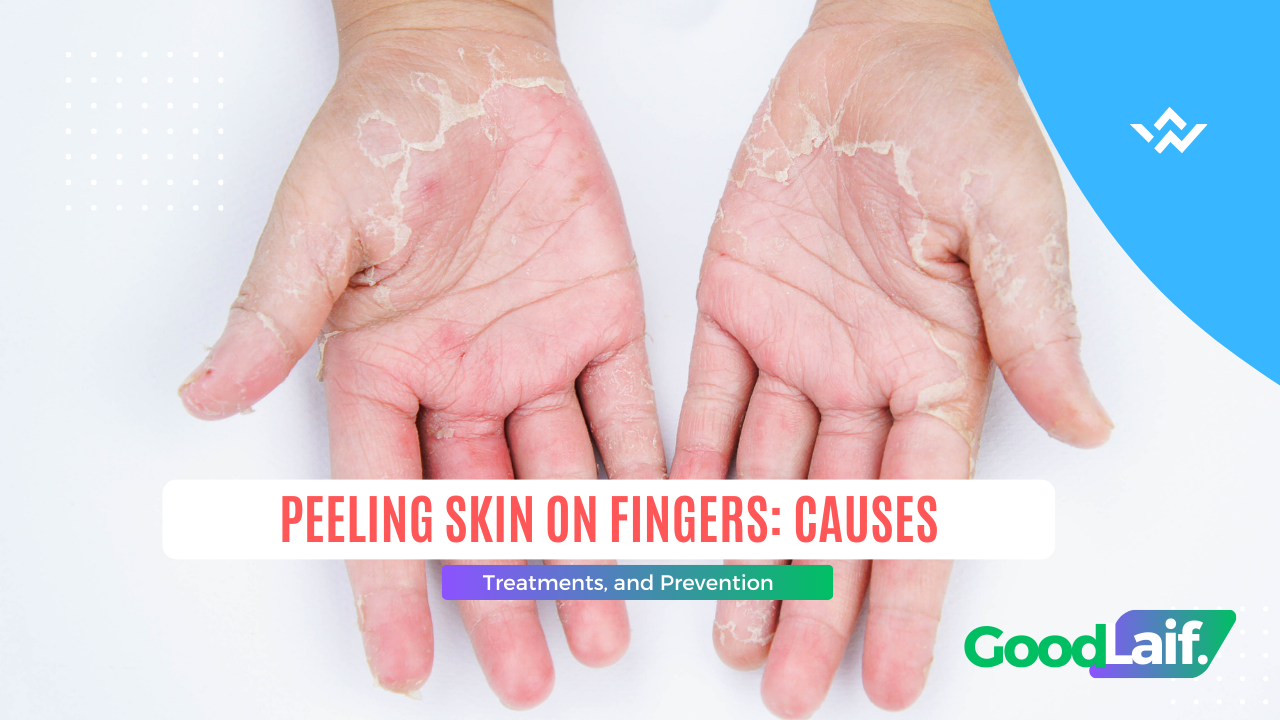
Have you ever noticed the skin on your fingers peeling even though it doesn’t itch or hurt? This condition is often considered minor, yet it can be a sign that your skin is under stress. From daily activities to certain health conditions, peeling skin on fingers can appear unexpectedly and affect both comfort and appearance.
Hands are one of the most exposed parts of the body. They frequently come into contact with water, soap, chemicals, and changing weather conditions. As a result, the skin on the fingers is more vulnerable to damage than other areas. Understanding the causes is essential to ensure proper care and prevent the problem from worsening.
Causes of Peeling Skin on Fingers
One of the most common causes is dry skin. Washing hands too frequently, especially with harsh or antibacterial soaps, can strip away the skin’s natural oils. When this protective barrier weakens, the skin becomes dry, flaky, and prone to peeling.
Another frequent trigger is exposure to chemicals, such as detergents, cleaning solutions, or alcohol-based products. Without adequate protection, these substances can irritate the skin and lead to peeling over time.
Allergic reactions or contact irritation can also be responsible. Some people have sensitive skin that reacts to metals, latex, fragrances, or certain skincare products. These reactions may cause peeling accompanied by redness, burning, or discomfort.
In some cases, peeling skin on fingers may be linked to medical conditions such as eczema, psoriasis, or fungal infections. These conditions often come with additional symptoms like intense itching, cracked skin, or a persistent burning sensation that interferes with daily activities.
How to Treat Peeling Skin on Fingers
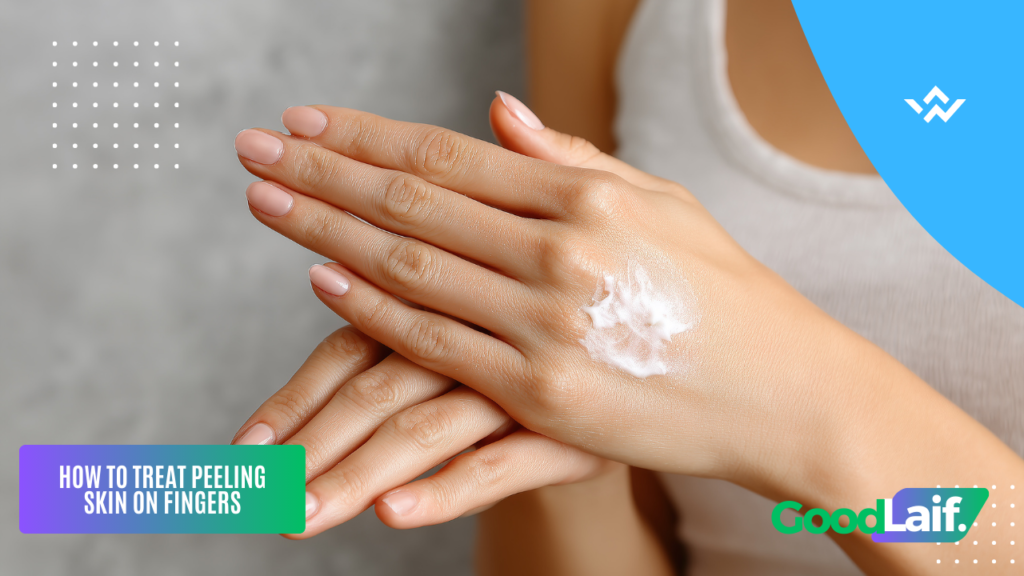
The first and most important step is maintaining skin moisture. Apply a hand moisturizer regularly, especially after washing your hands and before bedtime. Look for products containing ingredients like shea butter, glycerin, or aloe vera to help restore the skin barrier.
Next, avoid harsh soaps and cleansers. Choose mild, fragrance-free products to reduce irritation. Wearing protective gloves while washing dishes or cleaning can also help minimize direct contact with chemicals.
If peeling is accompanied by itching or inflammation, over-the-counter creams may help soothe the skin. However, if symptoms persist or worsen, consulting a healthcare professional is recommended for proper diagnosis and treatment.
Proper care can prevent the condition from progressing further and help the skin recover more quickly.
How to Prevent It from Coming Back
Prevention starts with simple daily habits. Gently dry your hands after contact with water, as excessive moisture can worsen irritation. Staying well-hydrated by drinking enough water also helps maintain skin moisture from within.
Using sunscreen on your hands during outdoor activities can protect the skin from excessive sun exposure. Additionally, choosing skincare products that match your skin type ensures long-term safety and effectiveness.
With consistent care and early attention, the health of your finger skin can be maintained comfortably and naturally.
Read Also : Frequently Sweaty Hands: Normal or a Health Concern?
Conclusion
Peeling skin on fingers may seem harmless, but it can signal that your skin needs extra care. The causes range from dryness and chemical exposure to underlying medical conditions. By understanding the triggers, applying proper treatment, and practicing preventive measures, you can keep your hands healthy, smooth, and comfortable for daily use. With consistent skincare habits, peeling skin on fingers can be reduced and prevented from recurring.






+ There are no comments
Add yours