

Cultural diversity across different parts of the world has given rise to a wide variety of unique culinary traditions, often referred to as exotic foods. These foods typically feature unusual ingredients, distinctive appearances, or traditional preparation methods that may be unfamiliar to many people. While exotic foods can be appealing from a cultural and culinary perspective, not all of them are safe to consume. Some pose serious health risks if they are not properly understood and prepared.
Definition of Exotic Foods and Their Potential Risks
Exotic foods generally refer to dishes made from uncommon ingredients, specific traditional processing methods, or foods that are consumed only within certain cultural regions. Health risks associated with exotic foods may arise from natural toxins, harmful microorganisms, or preparation processes that do not meet modern food safety standards. A lack of consumer awareness regarding these risks is often a major factor contributing to health problems.
Types of Exotic Foods That Can Be Dangerous
1. Pufferfish
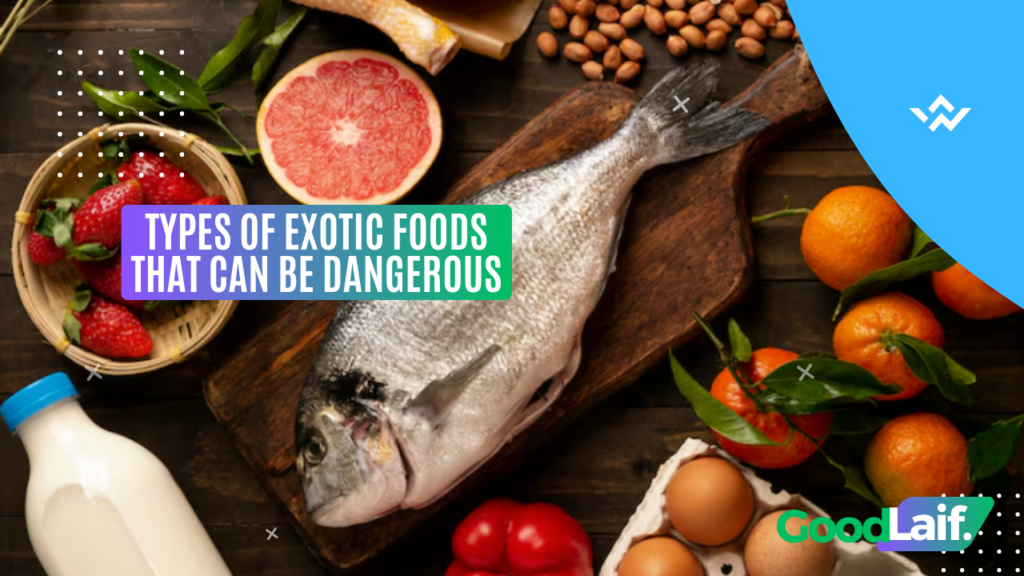
Pufferfish is well known for containing tetrodotoxin, a highly lethal neurotoxin. This toxin cannot be destroyed by heat. Consumption of pufferfish is only considered safe when it is prepared by certified chefs using specialized techniques. Even a minor mistake during cleaning and preparation can be fatal.
2. Raw or Improperly Processed Cassava
Raw cassava contains cyanogenic compounds that can release cyanide. If cassava is not properly soaked and cooked, consumption may lead to severe poisoning, respiratory failure, and even death.
3. Wild Mushrooms
Some wild mushrooms closely resemble edible varieties but are actually toxic. Consuming poisonous mushrooms can cause severe digestive distress, liver damage, and organ failure. This risk increases significantly when mushrooms are foraged without adequate botanical knowledge.
4. Wild Game Meat
Certain types of wild game meat may carry parasites, bacteria, and zoonotic viruses. In addition to infection risks, such meat often does not undergo strict health inspections like commercially produced meat, making its safety difficult to guarantee.
5. Raw Eggs or Exotic Animal Products
Consuming raw eggs or raw animal products from exotic sources increases the risk of bacterial infections such as Salmonella and other parasites. The human digestive system is not always capable of effectively handling these pathogens.
Factors Contributing to the Danger of Exotic Foods

1. Natural Toxins
Some food sources contain natural toxins as a defense mechanism. Without proper handling and preparation, these toxins can be harmful to human health.
2. Traditional Processing Methods
Certain traditional preparation methods require a high level of expertise and precision. Errors in fermentation, soaking, or cooking can significantly increase the risk of food poisoning.
3. Lack of Food Safety Standards
Exotic foods are often produced outside modern food regulatory systems, meaning quality control and hygiene standards may not be adequately enforced.
Health Impacts of Consuming Dangerous Exotic Foods
The health effects of consuming hazardous exotic foods can range from mild digestive discomfort to acute poisoning, organ damage, and even death. In some cases, long-term effects such as liver damage and neurological disorders may occur. These risks are especially high for children, the elderly, and individuals with weakened immune systems.
The Importance of Consumer Awareness and Caution
Consuming exotic foods should be based on adequate knowledge of the ingredients, preparation methods, and potential risks involved. Consumer education plays a crucial role in preventing poisoning and other health issues. It is recommended to:
- Avoid exotic foods with unclear origins and preparation processes
- Ensure that foods are prepared by experienced and qualified individuals
- Refrain from consuming raw or undercooked ingredients without clear safety information
Conclusion
Exotic foods are an important part of the world’s rich culinary heritage, but not all of them are safe to consume without proper understanding. Natural toxins, harmful microorganisms, and complex preparation processes make certain exotic foods potentially dangerous to human health. By increasing awareness and exercising caution, people can enjoy culinary diversity without compromising their safety and well-being.
READ ALSO ARTICLE: Diet for Gastritis Recommended Foods for Stomach Health











+ There are no comments
Add yours