
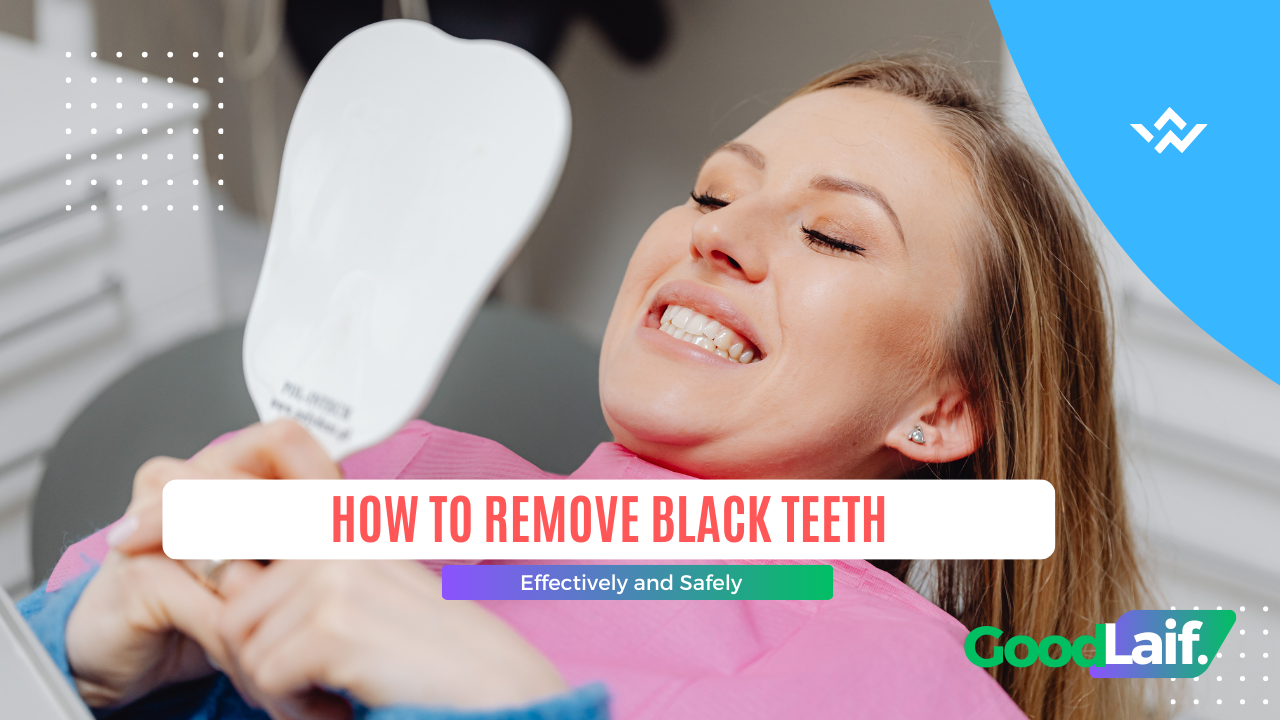
Have you ever smiled in front of the mirror and suddenly noticed dark stains on your teeth? At first, the spot may look small and harmless. However, as days pass, the discoloration often becomes more visible and harder to ignore. As a result, many people start feeling less confident when smiling. Although some think black teeth are only a cosmetic issue, they often signal deeper oral health problems. Fortunately, you can remove black teeth effectively and safely by combining natural care with professional dental treatment.
Causes of Black Teeth
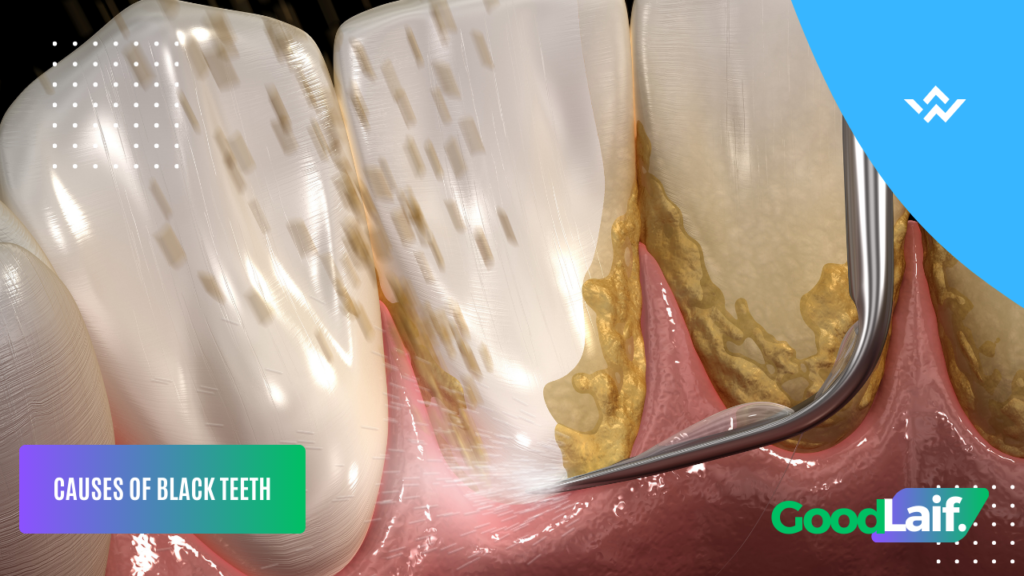
First of all, understanding the causes makes treatment much easier. In many cases, plaque and tartar buildup lead to black stains on teeth. Moreover, smoking, drinking coffee or tea frequently, and poor oral hygiene allow stains to stick to the tooth surface.
In addition, cavities, old dental fillings, and weakened enamel can also cause teeth to turn dark. In more serious situations, the discoloration comes from inside the tooth due to nerve damage. When this happens, regular brushing no longer helps. Therefore, early dental examination becomes very important.
Natural Ways to Remove Black Teeth
To begin with, many people choose natural methods as their first step. Brushing your teeth twice a day with fluoride toothpaste actively removes plaque and prevents new stains from forming. In addition, rinsing your mouth with salt water helps reduce bacteria that contribute to discoloration.
Some people also use baking soda occasionally to lighten dark stains. However, you should use this method carefully because frequent use can damage tooth enamel. Meanwhile, eating fiber-rich fruits and vegetables such as apples and carrots naturally cleans the tooth surface while increasing saliva production, which protects teeth from stains.
Medical Treatments for Black Teeth
However, when black stains become severe, natural care alone does not deliver optimal results. At this point, visiting a dentist offers the most effective and safe solution. Dentists perform dental scaling to remove hardened tartar that causes dark discoloration.
Furthermore, dentists may suggest teeth whitening, veneers, or fillings, especially when cavities cause the black color. With proper and timely treatment, teeth regain a brighter appearance and feel healthier. As a result, patients often notice a significant boost in confidence.
Daily Habits to Prevent
Equally important, prevention plays a key role in long-term results. Limiting dark-colored drinks such as coffee, tea, and soda helps maintain natural tooth color. Likewise, quitting smoking greatly reduces the risk of recurring stains.
Moreover, cleaning between teeth with dental floss prevents plaque buildup in hard-to-reach areas. Regular dental checkups every six months also help detect early problems. Finally, replacing your toothbrush every three months and using antibacterial mouthwash strengthen daily oral care routines.
Read Also : How to Straighten Tetth Without Braces: Is It Really Possible?
Conclusion
In conclusion, black teeth affect more than just appearance. They often reflect underlying dental issues that need attention. By understanding the causes and applying effective, safe methods consistently, you can restore a brighter smile and protect your oral health. Therefore, start with simple daily habits and seek professional care when necessary, because healthy teeth remain a valuable long-term investment in your overall quality of life.







+ There are no comments
Add yours