
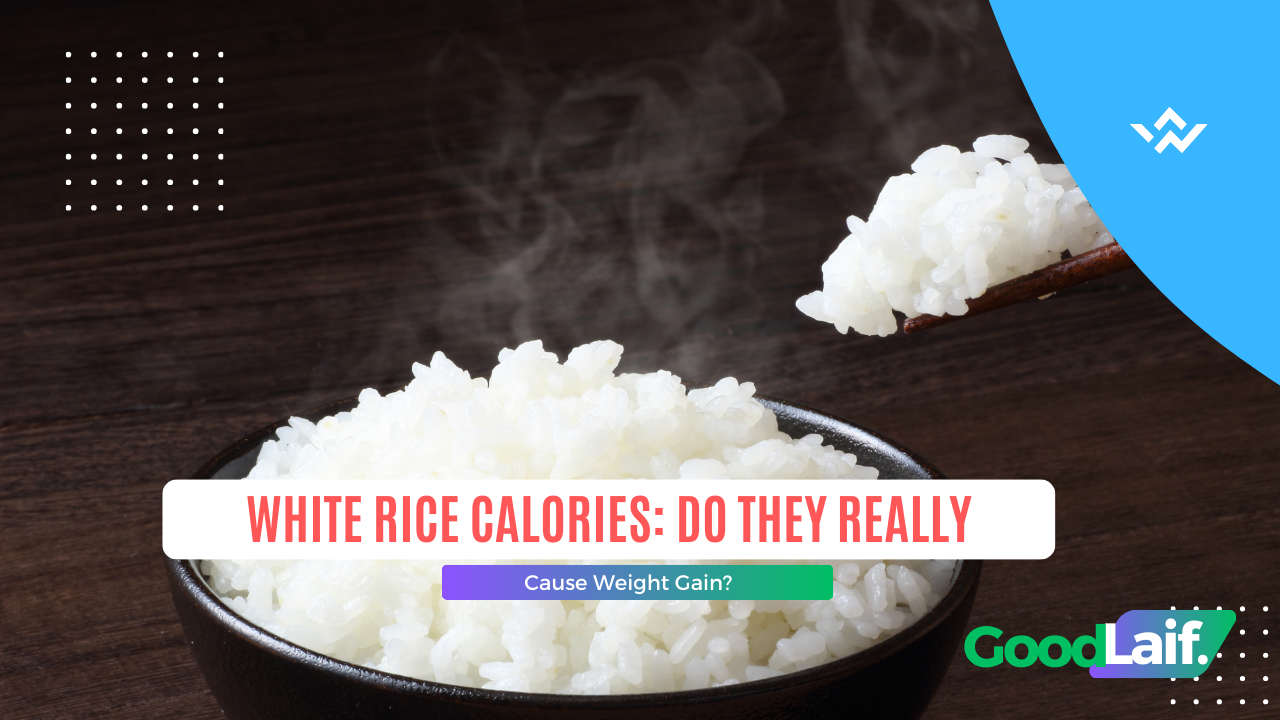
Have you ever wondered how many white rice calories you consume in a single meal? For many people, especially in Asian countries, white rice is a daily staple. A meal often feels incomplete without a warm serving of rice on the plate. However, with the growing popularity of dieting and healthy living, many people are starting to question its calorie content. Is white rice really the main reason behind weight gain?
In this article, we will explore white rice calories, its nutritional value, and smart ways to include it in a balanced diet.
How Many Calories Are in One Serving of White Rice?
On average, 100 grams of cooked white rice contain approximately 130 calories. If you eat one standard serving spoon (around 150–200 grams), you may consume between 195–260 calories. The total number depends on portion size and how often you eat it.
Most of the calories in white rice come from carbohydrates. In 100 grams of white rice, there are about 28 grams of carbohydrates, a small amount of protein, and almost no fat. Because of its high carbohydrate content, white rice serves as a primary energy source for the body.
Why Are White Rice Calories Often Considered High?
White rice calories are often labeled as “high” because people tend to eat it in large portions. When combined with fried foods, fatty side dishes, and sugary drinks, the total calorie intake in one meal can increase significantly.
In addition, white rice has a relatively high glycemic index. This means it can raise blood sugar levels quickly. If the energy from carbohydrates is not used through physical activity, the excess may be stored in the body as fat.
However, it is important to understand that weight gain is not caused by white rice alone. It happens when your total daily calorie intake consistently exceeds your body’s energy needs.
Nutritional Value of Rice
Despite its negative reputation in some diet trends, white rice still offers nutritional benefits. Besides providing calories for energy, it also contains:
- Complex carbohydrates
- Small amounts of protein
- B vitamins (though lower than brown rice)
- Minerals such as iron (especially if fortified)
Carbohydrates are essential for supporting brain function, muscle movement, and overall organ performance. Without adequate carbohydrate intake, the body can lose its main energy supply. As a result, you may feel tired more easily, experience low energy levels, and struggle to stay focused throughout the day.
Tips to Manage White Rice
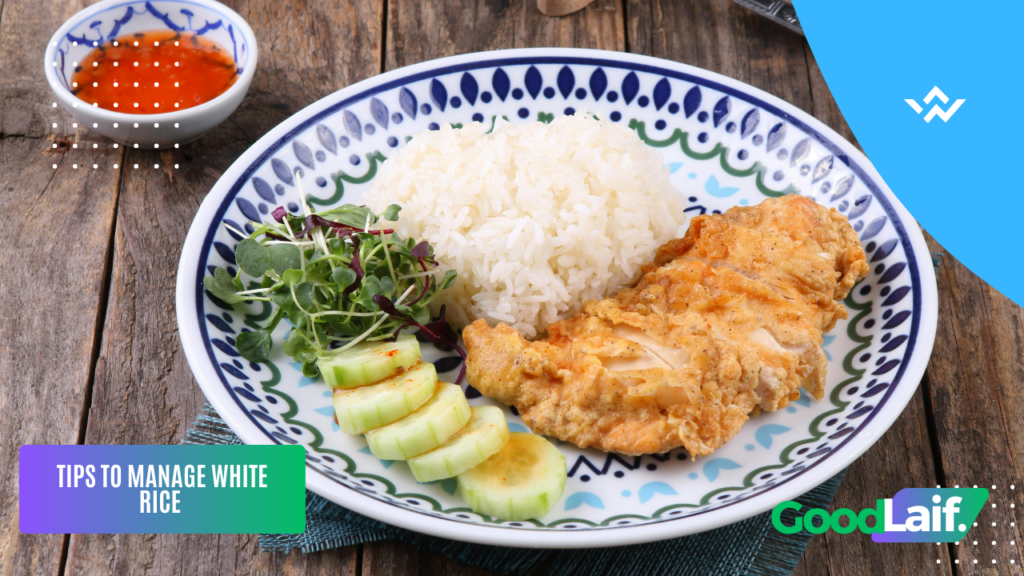
If you want to enjoy white rice without worrying about weight gain, consider these practical tips:
- Control your portion size
Limit your intake to about 100–150 grams per meal. - Pair it with vegetables and protein
Combine white rice with fiber-rich vegetables and lean protein such as grilled chicken, tofu, or tempeh to help you feel full longer. - Choose healthier cooking methods
Opt for steamed, boiled, or grilled dishes instead of fried options. - Match your intake with your activity level
If you exercise regularly or have an active lifestyle, your body will require more calories compared to someone who is less active.
Read Also : Oatmeal Calories: The Secret to Staying Full Longer for Diet
Should You Avoid Rice?
Not necessarily. White rice calories can contribute significantly to your daily intake, but when eaten in reasonable portions and balanced with other nutrients, it can still be part of a healthy diet. The key to maintaining a healthy weight is not eliminating rice entirely, but managing overall calorie intake and staying physically active.
Instead of fearing white rice, focus on portion control and balanced meals. With the right approach, you can continue enjoying white rice while maintaining a healthy body and lifestyle.









+ There are no comments
Add yours