

Chocolate, particularly dark chocolate, is not only known for its distinctive taste but also as a source of bioactive compounds that may provide health benefits. One of the most widely studied aspects is its antioxidant profile. The Antioxidant Content of cocoa beans has attracted significant scientific attention due to its potential role in protecting the body from oxidative stress. Numerous studies indicate that chocolate derived from cocoa contains substantial levels of protective compounds that may contribute to overall health. This article discusses the types of antioxidants found in chocolate and their effects on the body.
Understanding Antioxidants and Their Role in the Body
Antioxidants are compounds that help protect the body’s cells from damage caused by free radicals. Free radicals are unstable molecules that form naturally during metabolic processes or as a result of external factors such as pollution, radiation, and cigarette smoke.
An imbalance between free radicals and antioxidants can lead to oxidative stress, which contributes to various chronic diseases, including heart disease, diabetes, premature aging, and other degenerative conditions. Therefore, obtaining antioxidants from food sources is essential to maintaining this balance.
Types of Antioxidants in Chocolate
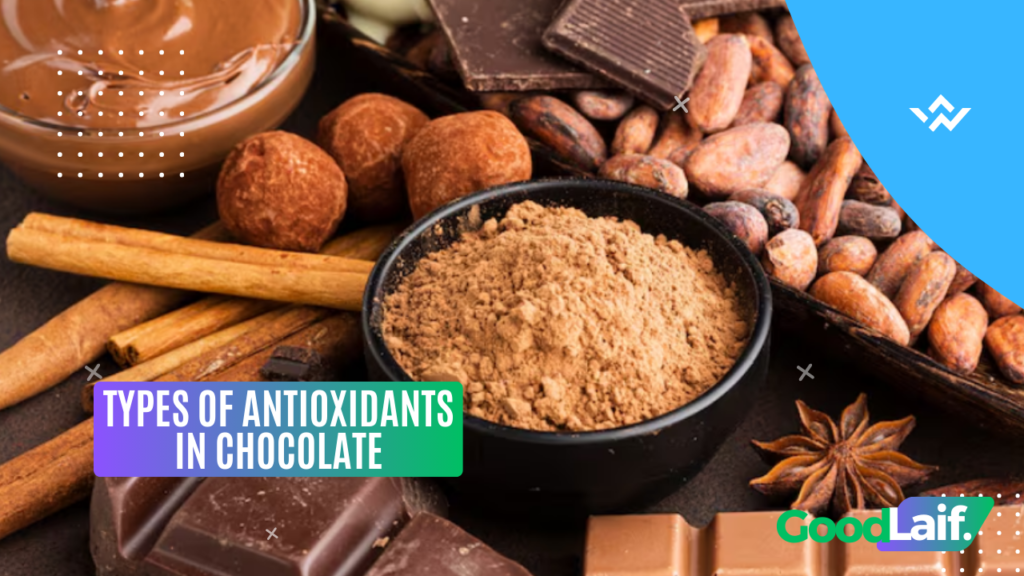
Chocolate, especially varieties with high cocoa content, contains several key antioxidants, including:
1. Flavonoids
Flavonoids are a group of polyphenolic compounds abundantly found in cocoa. The primary flavonoids in chocolate are flavanols, including epicatechin and catechin. These compounds play a role in improving blood vessel function and helping to reduce inflammation.
2. Polyphenols
Polyphenols in cocoa have the ability to neutralize free radicals by stabilizing reactive molecules. Research shows that the Antioxidant Content in dark chocolate can be comparable to or even higher than that of certain fruits.
3. Theobromine
In addition to flavonoids, cocoa contains theobromine, an alkaloid compound with mild stimulant effects. Although not a primary antioxidant, theobromine contributes to chocolate’s physiological effects on the cardiovascular system.
Health Benefits of Chocolate Antioxidants

1. Supporting Heart Health
Flavonoids in chocolate may help improve endothelial function, which refers to the inner lining of blood vessels. These compounds stimulate the production of nitric oxide, which helps dilate blood vessels and improve blood flow. Several studies suggest that moderate consumption of dark chocolate may help lower blood pressure and improve lipid profiles.
2. Reducing Inflammation
Oxidative stress is often linked to chronic inflammation. Antioxidants in chocolate help reduce oxidative reactions that trigger inflammation, potentially lowering the risk of certain chronic diseases.
3. Supporting Brain Function
Cocoa flavanols have also been associated with increased blood flow to the brain. This may support cognitive functions such as concentration and memory, particularly in older adults. Although research is ongoing, early findings show promising potential.
4. Protection Against Premature Aging
By reducing the effects of free radicals, antioxidants may help slow cellular damage associated with aging. Consuming antioxidant-rich foods, including dark chocolate, can be part of a balanced diet that supports skin and overall tissue health.
Differences Between Dark Chocolate and Milk Chocolate
The level of Antioxidant Content in chocolate largely depends on its cocoa percentage. Dark chocolate containing 70 percent cocoa or more generally has higher levels of flavonoids compared to milk chocolate. The addition of sugar and milk in milk chocolate can reduce the concentration of active cocoa compounds, thereby lowering its potential health benefits.
Recommended Consumption
Despite its potential advantages, chocolate is relatively high in calories and fat. It should be consumed in moderation, such as a small portion daily as part of a balanced diet. Choosing chocolate with high cocoa content and low sugar levels is recommended to maximize its nutritional value.
Conclusion
Chocolate, particularly dark chocolate, is a natural source of antioxidants rich in flavonoids and polyphenols. These compounds play an important role in protecting the body from oxidative stress, supporting heart health, reducing inflammation, and potentially enhancing cognitive function. However, these benefits can only be achieved through mindful and balanced consumption. By understanding its composition and effects, individuals can incorporate chocolate into a healthy lifestyle in a more informed and rational way.
READ ALSO ARTICLE: Is Avocado Good for Diet? Facts You Need to Know










+ There are no comments
Add yours