
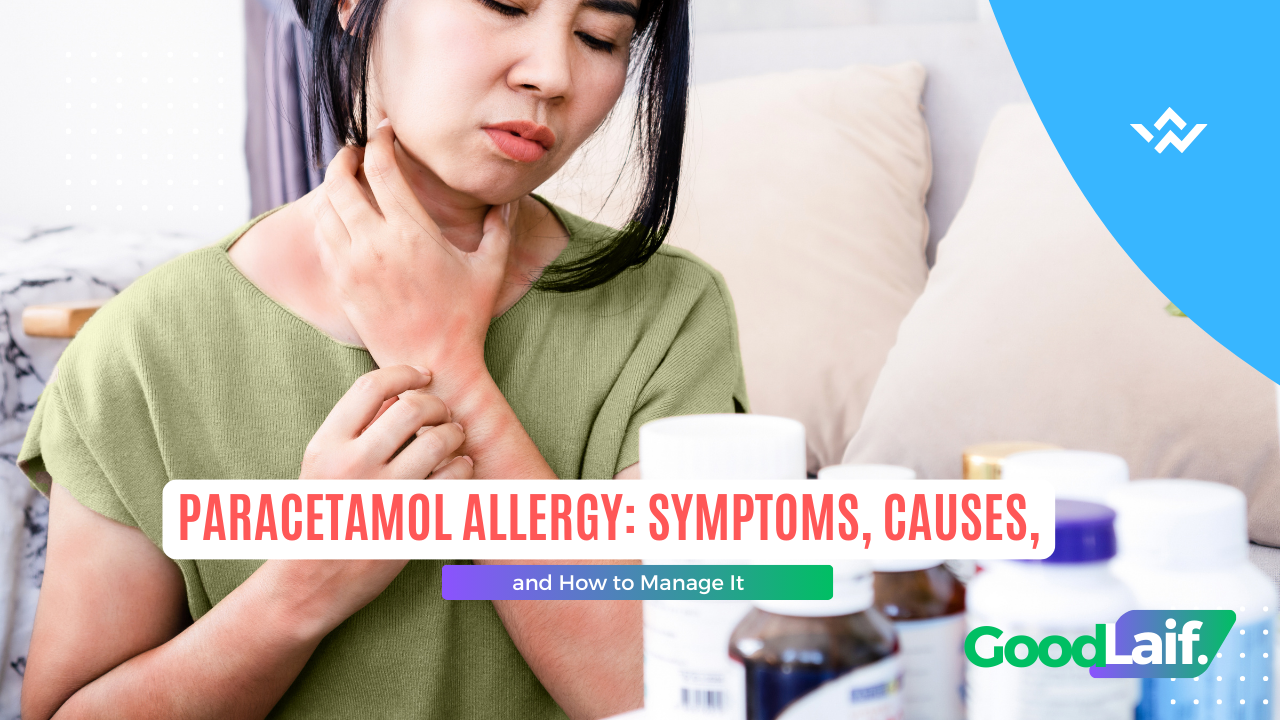
Have you ever taken a common fever reducer like paracetamol, only to experience unusual reactions afterward? For example, you might notice a rash, itching, or even difficulty breathing. This situation can be confusing and raises an important question—can someone actually have a paracetamol allergy?
Although it is relatively rare, an allergy to paracetamol can occur in some individuals. Therefore, it is important to understand the symptoms, causes, and how to manage it properly to avoid more serious health risks.
What Is a Paracetamol Allergy?
A paracetamol allergy is an immune system reaction to the drug, where the body mistakenly identifies it as a harmful substance. For most people, paracetamol is considered safe and is widely used to reduce fever and relieve pain.
However, in certain individuals, the immune system may overreact after taking the medication. As a result, various symptoms can appear, ranging from mild to severe depending on the individual’s sensitivity.
Symptoms of Paracetamol Allergy
The symptoms of a paracetamol allergy can vary from person to person. Some of the most common signs include:
- Skin rash or red spots
- Itching or irritation
- Swelling of the face, lips, or tongue
- Shortness of breath
- Dizziness or weakness
In addition to these symptoms, some people may also feel nausea or general discomfort after taking the medication. In more serious cases, the reaction can develop into anaphylaxis, a life-threatening condition that requires immediate medical attention.
Causes of Paracetamol Allergy
A paracetamol allergy occurs when the immune system reacts excessively to the substance in the drug. The body treats it as a threat, triggering the release of chemicals such as histamine.
Furthermore, genetic factors may increase the likelihood of developing a drug allergy. A history of allergies to other medications can also raise the risk. In some cases, certain health conditions may make the body more sensitive to medications.
How to Manage a Paracetamol Allergy

If you experience symptoms after taking paracetamol, the first step is to stop using the medication immediately.
Next, seek medical advice to determine the exact cause and receive appropriate treatment. Doctors may prescribe antihistamines or other medications depending on the severity of the reaction.
In some situations, further testing may be recommended to confirm the type of allergy. This helps ensure safer treatment options in the future.
If severe symptoms such as breathing difficulty or significant swelling occur, seek emergency medical help right away, as this condition can be life-threatening.
Prevention Tips
To prevent a paracetamol allergy reaction, avoid using the medication if you have experienced symptoms before.
Additionally, always check the ingredients of any medicine you take, as some combination drugs may contain paracetamol without you realizing it.
It is also important to inform healthcare providers about your allergy history so they can recommend safer alternatives.
Read Also : Does Paracetamol Make You Sleepy? Complete Explanation Here!
Conclusion
A paracetamol allergy is uncommon but should not be ignored. Symptoms can range from mild skin reactions to severe breathing difficulties.
By recognizing the signs early and taking the right steps, you can reduce the risk of serious complications. Staying informed and cautious when using medication is key to protecting your health.








+ There are no comments
Add yours