
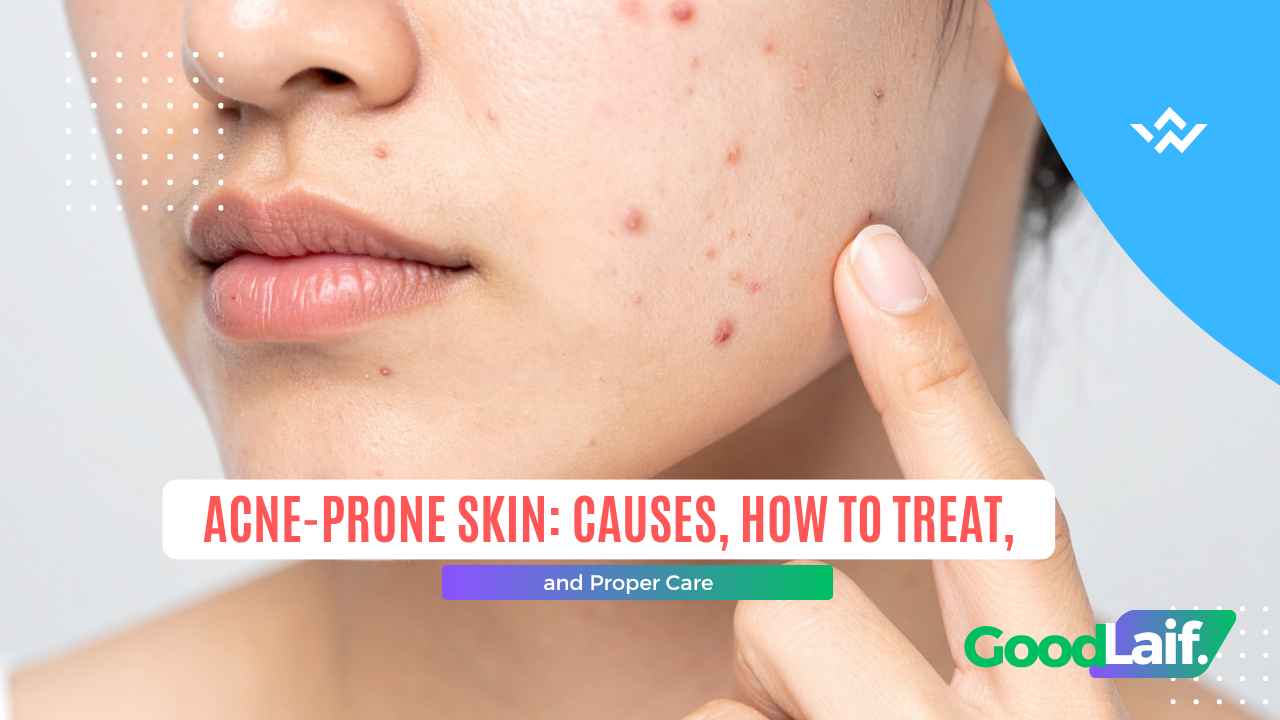
Have you ever felt frustrated because pimples keep appearing even though you already wash your face regularly? Or maybe you have tried many skincare products but the acne still comes back. This situation often makes people wonder what actually causes acne-prone skin and how to treat it properly.
Acne-prone skin is one of the most common skin problems experienced by many people, both teenagers and adults. Acne usually appears on the face, but it can also appear on the back, chest, and shoulders. Although acne is not a dangerous disease, it can reduce self-confidence if not treated properly.
Causes of Acne-Prone Skin
Acne-prone skin can be caused by various factors. One of the main causes is excessive oil production on the skin. Excess oil can clog pores, allowing bacteria to grow and cause acne.
In addition, the buildup of dead skin cells can also clog pores. When pores are clogged by oil and dead skin cells, acne can easily develop. Hormonal factors also play a major role, especially during puberty, menstruation, or periods of stress.
Moreover, using unsuitable skincare products, not cleaning the face properly, and frequently touching the face with dirty hands can worsen acne conditions.
Types of Acne
There are several common types of acne, including:
- Blackheads and whiteheads – mild acne that appears as small black or white spots
- Papules – small red bumps that may feel sore
- Pustules – pimples filled with pus with a white center
- Nodules – large, painful acne under the skin
- Cystic acne – severe acne that can leave scars
Knowing the type of acne is important so that the treatment can be more effective.
How to Treat Acne-Prone Skin

To treat acne-prone skin, the first step is to keep your face clean. Wash your face twice a day using a facial cleanser that suits your skin type.
You can also use skincare products that contain ingredients such as salicylic acid, niacinamide, or benzoyl peroxide to help reduce acne.
Avoid squeezing pimples because it can cause inflammation and acne scars that are difficult to remove. Besides external treatment, it is also important to maintain a healthy diet by reducing oily foods and increasing the consumption of fruits and vegetables.
Drinking enough water and getting enough sleep also help maintain healthy skin. Healthy skin usually comes from a healthy body.
Skincare Routine to Prevent Acne
Preventing acne is very important to keep skin healthy. You can start with simple treatments such as:
- Cleansing your face regularly
- Using a moisturizer suitable for your skin type
- Applying sunscreen when doing outdoor activities
- Changing pillowcases regularly
- Avoid touching your face too often
If acne does not improve or becomes worse, it is recommended to consult a dermatologist for proper treatment.
Read Also : Benefits of Collagen for Acne-Prone Skin and Healthier Skin
Conclusion
Acne-prone skin is a common skin problem caused by excess oil, bacteria, hormones, and unhealthy lifestyle habits. Although acne cannot always be completely avoided, it can be controlled with proper skincare and healthy habits.
By maintaining skin hygiene, using suitable skincare products, and living a healthy lifestyle, you can reduce acne and keep your skin healthier and clearer over time. Consistent care is the key to achieving better skin condition.






+ There are no comments
Add yours