
Hailstorms are among the most dangerous forms of extreme weather, often occurring suddenly and with little warning. While many people associate hail with property damage, the risk of hailstorm injuries to humans is equally serious. Hailstones falling from significant heights at high speeds can cause a wide range of injuries, from minor bruises to severe trauma.
Understanding the Danger Behind Hailstorm Injuries
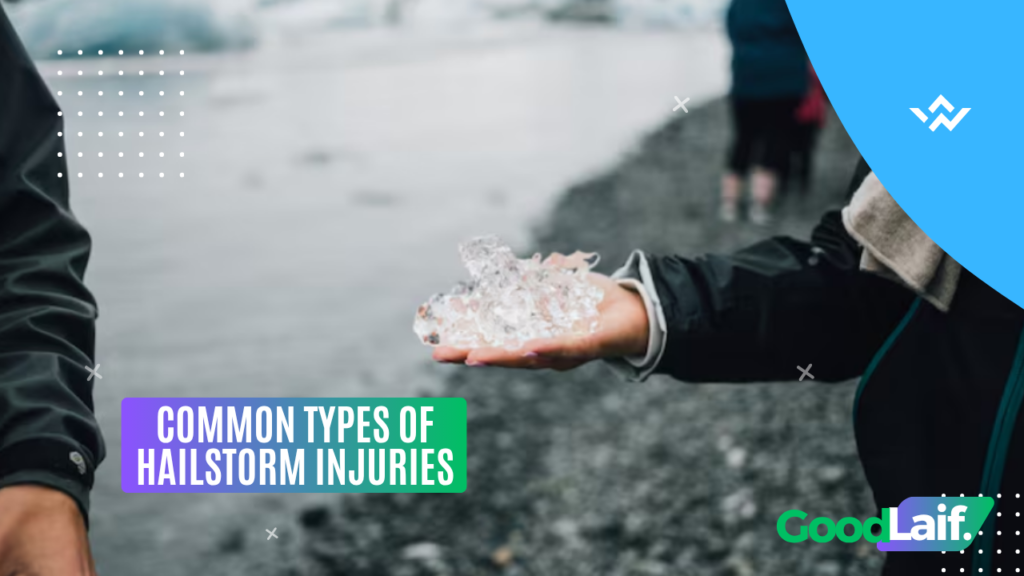
Hail forms inside cumulonimbus clouds through a process of repeated freezing, where water droplets are carried upward by strong air currents before falling to the ground as ice. The size of hailstones can vary from small pellets to large chunks comparable to golf balls or larger. The larger the hailstone, the greater the force it carries upon impact. This is why hailstorm injuries can be severe, especially when individuals are caught outdoors without proper protection.
Common Types
1. Head Injuries
Head injuries are among the most serious types of hailstorm injuries. A direct hit from a large hailstone can lead to bruising, cuts, or even concussions. In extreme cases, it may result in more severe head trauma.
2. Eye Injuries
The eyes are particularly vulnerable during a hailstorm. Hail impact can cause irritation, corneal damage, or even partial vision loss if not protected.
3. Skin and Soft Tissue Injuries
Hailstones can strike exposed skin, causing bruises, abrasions, and small cuts. Larger hailstones may lead to more serious lacerations.
4. Bone and Muscle Injuries
Strong impacts from large hailstones can injure muscles or even cause fractures, especially in areas like the shoulders, arms, and upper body.
Who Is Most at Risk of Hailstorm Injuries?
Certain groups are more vulnerable, including:
- Children, due to limited physical protection and slower reactions
- Elderly individuals, who may have weaker physical resilience
- Outdoor workers such as farmers and construction workers
- Motorcyclists and pedestrians exposed during storms
Factors That Increase the Risk
Lack of Shelter
Being outdoors without any form of protection significantly increases the likelihood of injury.
Urban Hazards
In cities, hail can break windows or dislodge building materials, leading to additional hazards beyond direct impact.
Storm Intensity and Duration
Longer and more intense hailstorms increase the exposure time, raising the probability of hailstorm injuries.
Indirect Risks Associated with Hailstorm Injuries
Not all hailstorm injuries are caused by direct impact. Indirect risks include:
- Slippery roads leading to vehicle accidents
- Reduced visibility causing collisions
- Panic-driven movements resulting in falls or other injuries
These secondary dangers can sometimes be just as harmful as the hail itself.
How to Prevent Hailstorm Injuries
Preventive measures are essential to reduce the risk:
- Seek immediate shelter in a strong building
- Avoid open areas during severe weather
- Use protective gear such as helmets if caught outside
- Stay away from trees and unstable structures
- Monitor weather forecasts to stay prepared
Conclusion
Hailstorms are more than just a natural curiosity, they pose a real threat to human safety. Hailstorm injuries can occur due to direct impact or indirect hazards, making awareness and preparedness crucial. By understanding the risks and taking appropriate precautions, individuals can significantly reduce the chances of injury during a hailstorm.
READ ALSO ARTICLE: Why Is My Nose Itchy? Causes and How to Overcome It










+ There are no comments
Add yours