
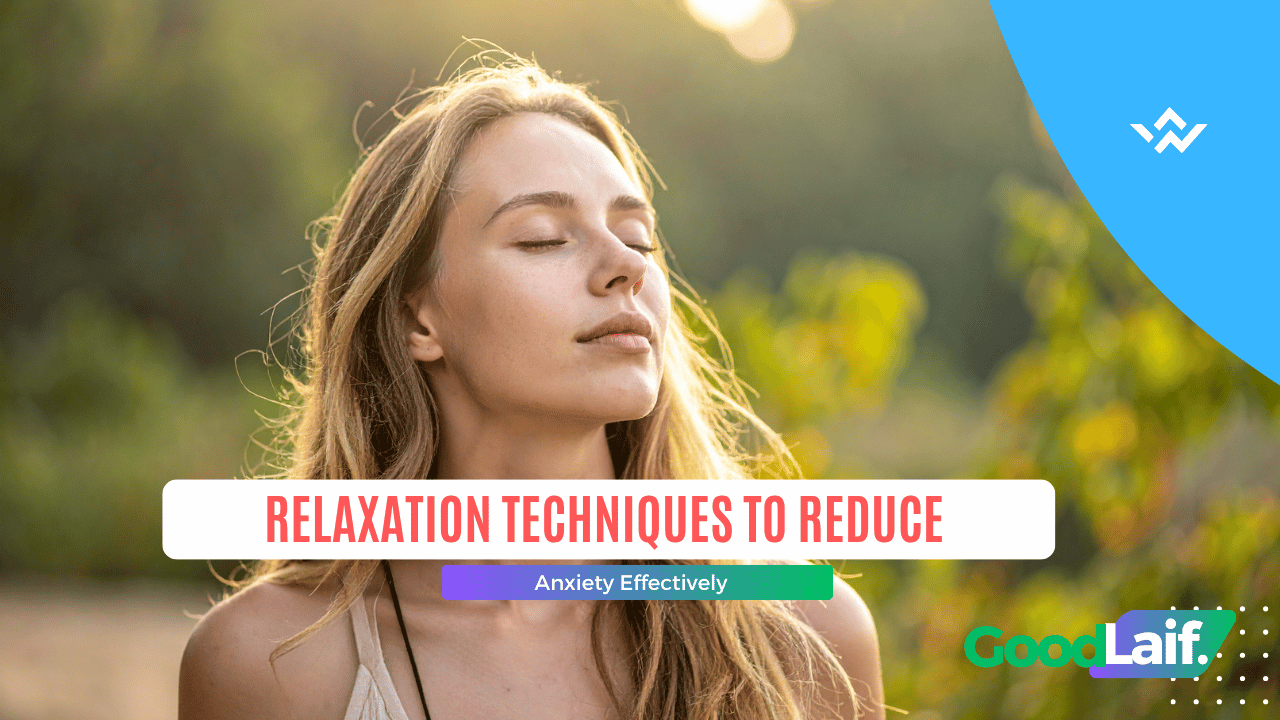
Have you ever felt anxious for no clear reason? Your mind feels overwhelmed, your heart beats faster, and it becomes difficult to relax. This situation is quite common, especially in today’s fast-paced lifestyle filled with daily pressures. That is why it is important to understand relaxation techniques to reduce anxiety that can be practiced anytime and anywhere.
Anxiety is actually a natural response to stress. However, when it occurs too often, it can affect your quality of life. Over time, unmanaged anxiety may also impact both physical and mental health. Therefore, practicing relaxation techniques is one of the most effective ways to calm the mind and body.
Why Are Relaxation Techniques Important?
Relaxation techniques help lower stress levels and make the body feel more at ease. In addition, these methods can regulate breathing, calm the mind, and reduce muscle tension. With regular practice, your body becomes better prepared to handle stressful situations.
Not only that, relaxation techniques can also improve sleep quality, boost mood, and make the body feel more refreshed. Some studies even suggest that relaxation may support heart health and help lower blood pressure. That is why it is important to make relaxation a daily habit.
Types of Relaxation Techniques to Reduce Anxiety
There are several relaxation techniques you can try to reduce anxiety, including:
1. Deep Breathing
Deep breathing is a simple yet effective way to calm the mind. Slowly inhale through your nose, hold for a few seconds, then exhale through your mouth. Repeat several times until your body feels more relaxed. This technique can be done anywhere, whether at home or at work.
2. Meditation
Meditation helps you stay present and reduce negative thoughts. You can do this by sitting quietly, closing your eyes, and focusing on your breathing. Practicing for 5 to 10 minutes daily can bring noticeable benefits.
3. Muscle Relaxation
This technique involves gently tightening the muscles and then releasing them gradually to help the body feel more relaxed. It is especially useful for reducing physical tension caused by stress.
4. Listening to Music
Soft and calming music can help relax the mind. Choose instrumental music or nature sounds to create a peaceful atmosphere. In addition to providing relaxation, music can also improve your mood and emotional state.
5. Aromatherapy
Scents like lavender or chamomile are known to reduce anxiety. You can use essential oils, diffusers, or scented candles to create a calming environment and enhance relaxation.
How to Practice Relaxation Techniques Effectively
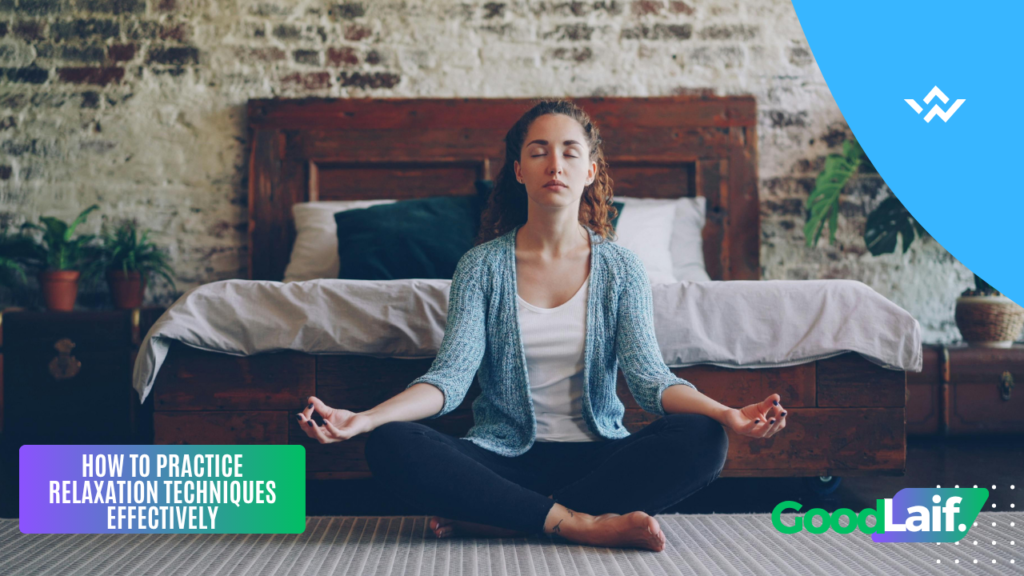
To get the best results, practice relaxation techniques consistently every day. Choose a quiet time, such as in the morning before starting your activities or at night before going to bed, so the process feels more effective. Also, avoid distractions like phones or loud noises during your relaxation time.
Try to focus on your breathing and let go of distracting thoughts. With consistent practice, these techniques can help improve emotional balance and inner calm. Over time, you will find it easier to manage anxiety.
Read Also : 4-7-8 Breathing Technique for Calming the Mind and Body
Conclusion
Relaxation techniques to reduce anxiety are simple yet powerful ways to maintain mental well-being. By practicing them regularly, you can calm your mind, reduce stress, and improve your overall quality of life. Start with the easiest method and stay consistent to achieve the best results.


+ There are no comments
Add yours