
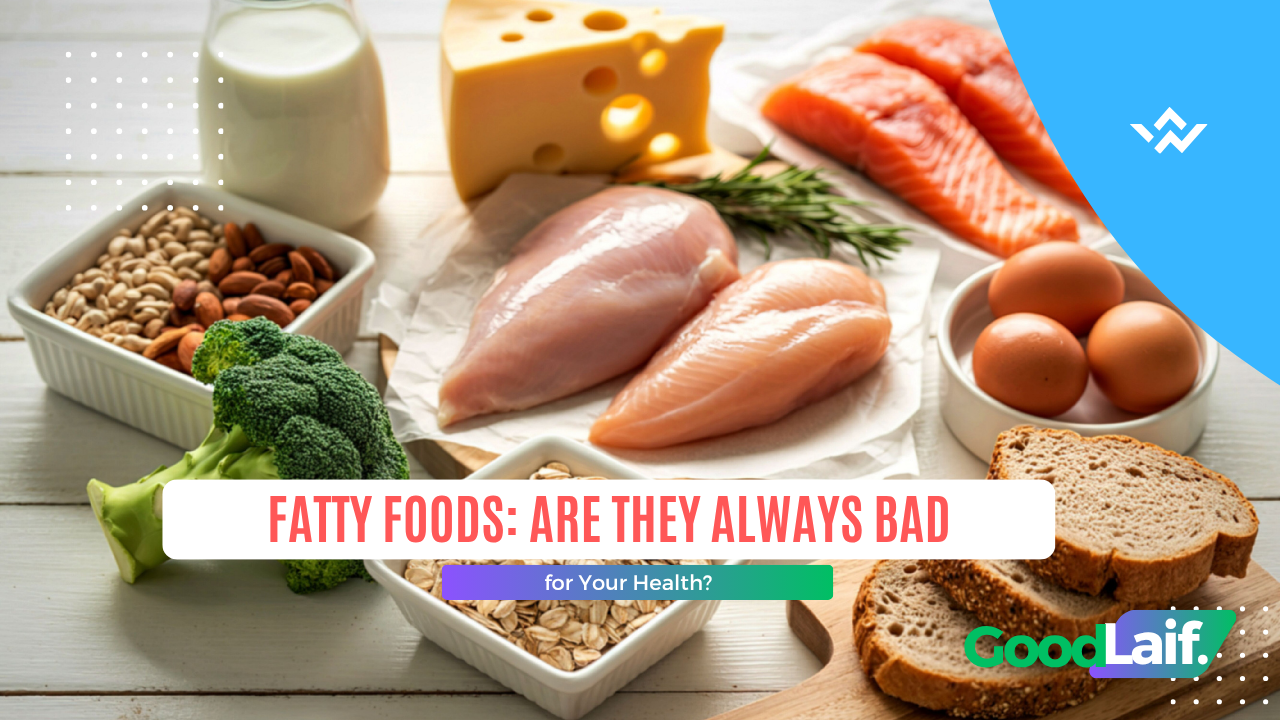
Have you ever felt guilty after eating fatty foods? Many people immediately associate them with weight gain and various health problems. But are all fatty foods truly bad for your body, or are there benefits that are often overlooked?
Fat is actually an essential nutrient that the body needs. It serves as a source of energy, helps absorb vitamins, and supports healthy cell function. In addition, fat plays a role in maintaining body temperature and protecting vital organs. It even helps produce certain hormones that are important for overall balance. However, not all fats have the same effects, which is why understanding fatty foods is key to making healthier choices.
Types of Fatty Foods You Should Know
Fatty foods can be categorized based on the type of fat they contain. Here are the main types:
1. Healthy Fats
Healthy fats are commonly found in foods such as avocados, nuts, fish, and olive oil. These fats are beneficial for heart health and can help reduce bad cholesterol levels. They also support brain function, improve energy levels, and contribute to healthier skin.
2. Saturated Fats
Saturated fats are found in foods like fatty meats, butter, and full-fat dairy products. Consuming too much saturated fat may increase the risk of health problems, particularly heart disease. Therefore, it is best to limit intake and balance it with healthier options.
3. Trans Fats
Trans fats are considered the most harmful type of fat. They are commonly found in processed foods such as fried snacks, fast food, and packaged baked goods. These fats can raise bad cholesterol and lower good cholesterol, increasing the risk of heart disease.
The Effects of Consuming Fatty Foods
Eating fatty foods in moderation is not harmful. In fact, healthy fats are necessary for the body to function properly. However, excessive consumption can lead to various health issues.
Some of the common effects include weight gain, increased cholesterol levels, and a higher risk of heart disease. Over time, an unbalanced diet high in unhealthy fats may also contribute to chronic conditions such as diabetes and high blood pressure.
How to Consume Fatty Foods Wisely
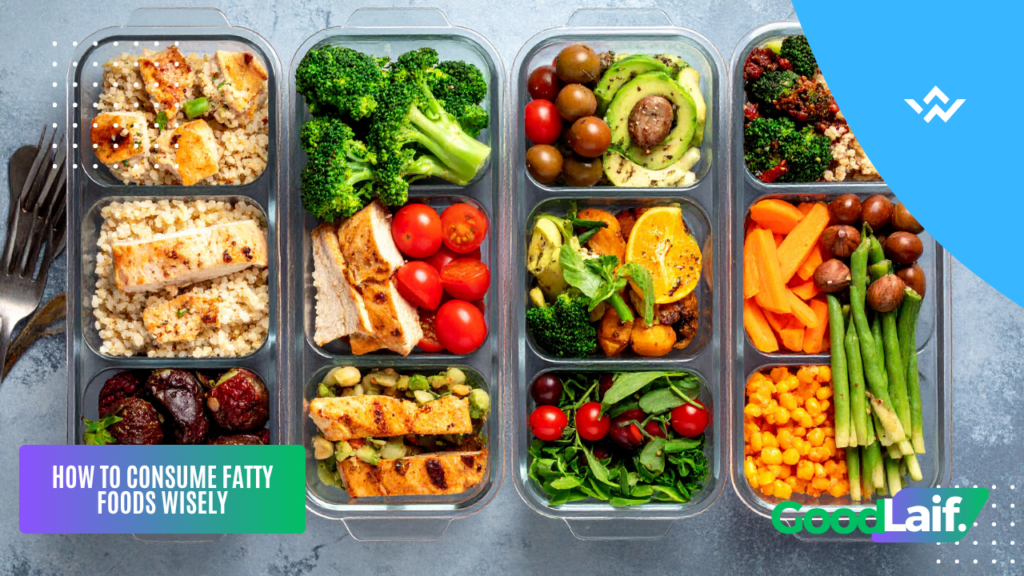
To stay healthy, it is important to consume fatty foods in a balanced way. First, prioritize sources of healthy fats such as fish, nuts, and natural oils. Second, reduce the intake of processed foods that contain trans fats.
It is also important to control portion sizes. Combining high-fat foods with vegetables and fruits can help maintain a balanced diet. Additionally, avoid consuming large amounts of high-fat foods late at night, as this may affect digestion and overall health.
Tips for Choosing Healthier High-Fat Foods
To get the most benefits, consider the following tips:
- Choose fresh foods over processed options
- Read nutrition labels carefully
- Avoid foods that are repeatedly fried
- Use healthier cooking methods such as baking or steaming
Maintaining a balanced diet is the key. By making smarter choices, you can still enjoy high-fat foods without compromising your health.
Read Also : Foods That Contain Bad Fats You Should Watch Out For
Conclusion
Fatty foods are not always bad if consumed properly. The key is to choose the right types of fat and eat them in moderation. With a balanced diet and a healthy lifestyle, you can maintain your well-being without completely avoiding high-fat foods.







+ There are no comments
Add yours