
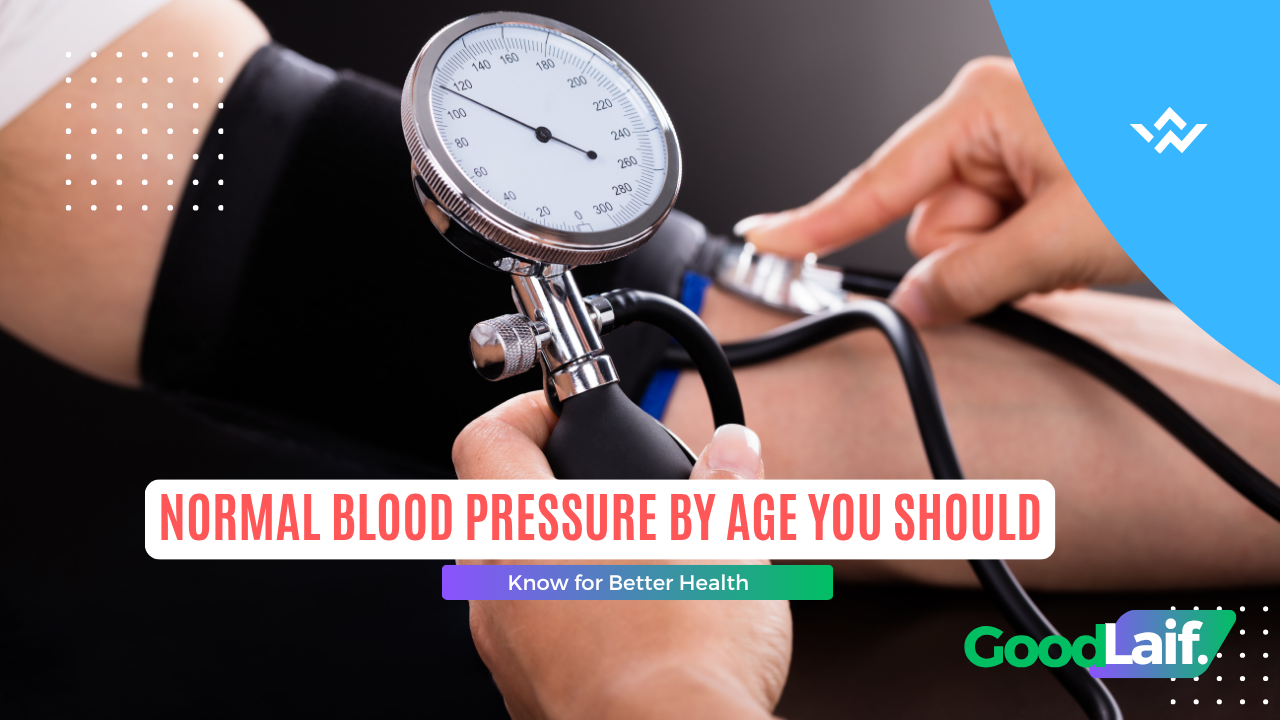
Have you ever felt dizzy, tired easily, or experienced heart palpitations without knowing the cause? Many people often ignore these conditions because they think they are only caused by fatigue. In fact, blood pressure that is too high or too low can affect the overall health of the body. Therefore, knowing normal blood pressure by age is important to help maintain a healthy body condition.
Blood pressure is a measurement of the force of blood flow against the walls of blood vessels when the heart pumps blood throughout the body. Blood pressure readings are usually written with two numbers, for example 120/80 mmHg. The first number shows systolic pressure, while the second number shows diastolic pressure.
In general, blood pressure can change depending on age, activity, health conditions, and lifestyle. Because of that, it is important to understand the range of blood pressure that is still considered normal.
Normal Blood Pressure by Age
Here are the normal blood pressure ranges by age that are commonly used as general references.
1. Children
In children, blood pressure is usually lower than in adults because their body size and blood vessels are still developing.
2. Teenagers
Teenagers generally have blood pressure around 110/70 mmHg to 120/80 mmHg depending on body condition and activity.
3. Adults
In adults, normal blood pressure is usually around 120/80 mmHg.
4. Elderly People
As people get older, blood pressure may increase slightly because blood vessels become less elastic.
Factors That Affect Blood Pressure
A person’s blood pressure can be influenced by various factors, ranging from lifestyle to overall body health.
1. Diet
Consuming excessive salt can increase blood pressure.
2. Physical Activity
Regular physical activity can help maintain heart health while keeping blood circulation smooth.
3. Stress
Excessive stress can temporarily increase blood pressure.
4. Body Weight
Excess body weight can make the heart work harder, increasing the risk of high blood pressure.
5. Smoking Habits
Smoking can affect blood vessel health and increase the risk of hypertension.
Signs of Abnormal Blood Pressure
Unstable blood pressure may sometimes cause several symptoms, such as:
- Headaches
- Dizziness
- Easily feeling tired
- Blurred vision
- Heart palpitations
- Shortness of breath
However, in some people, high blood pressure may occur without symptoms and often goes unnoticed.
How to Maintain Normal Blood Pressure

There are several simple steps that can help maintain stable blood pressure.
1. Eat Healthy Foods
Consume more vegetables, fruits, and low-salt foods.
2. Exercise Regularly
Physical activity helps maintain heart and blood vessel health.
3. Avoid Smoking and Alcohol
These habits can increase the risk of blood pressure problems.
4. Get Enough Rest
Adequate sleep helps the body maintain balanced blood pressure.
5. Check Blood Pressure Regularly
Routine checkups help detect health conditions earlier.
In addition, maintaining a healthy lifestyle consistently is important to help reduce the risk of heart disease and hypertension. Managing stress and maintaining an ideal body weight can also help keep blood pressure stable in the long term.
Read Also : Cucumber for High Blood Pressure: A Simple Healthy Secret
Conclusion
Normal blood pressure by age can vary for each person depending on body condition and other health factors. Understanding normal blood pressure ranges is important to help maintain heart and overall body health.
By applying a healthy lifestyle and checking blood pressure regularly, the risk of health problems caused by abnormal blood pressure can be reduced early.










+ There are no comments
Add yours