
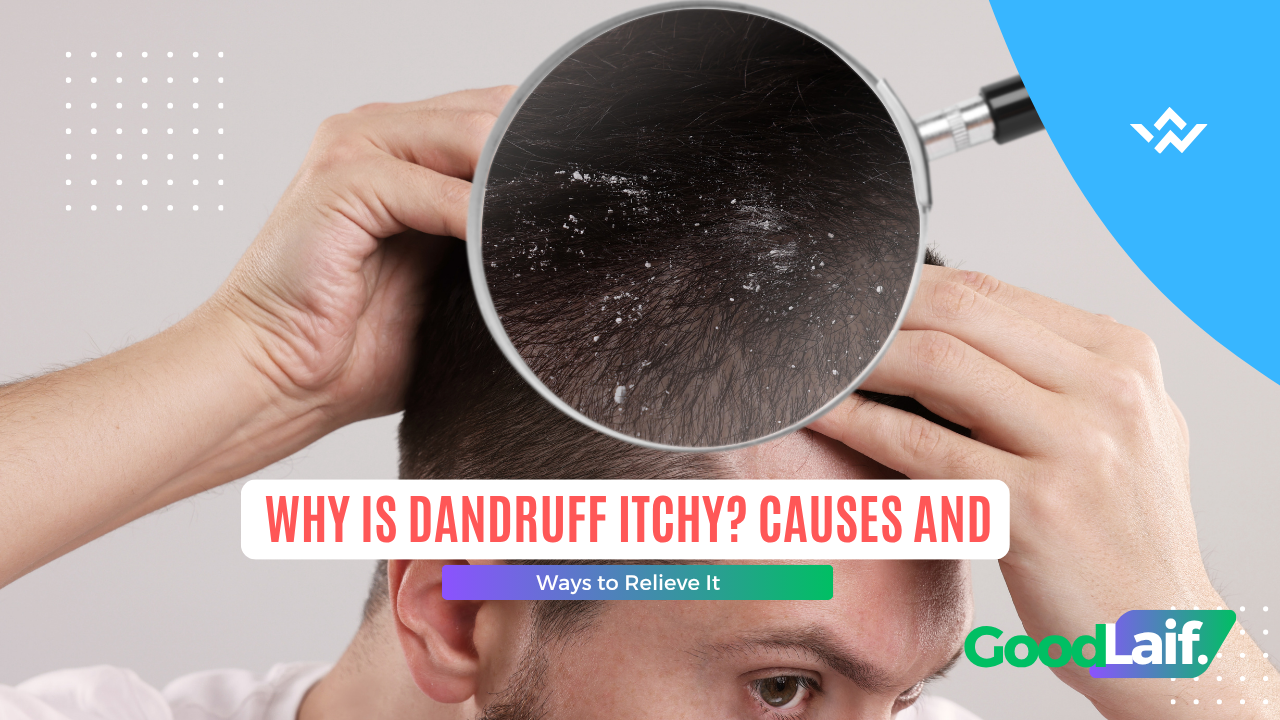
Going about your day and suddenly feeling an urge to scratch your scalp? If this happens often, you may be wondering, why is dandruff itchy even though you wash your hair regularly.
Dandruff is usually not a serious health problem, but the itching that comes with it can be frustrating. Constant scratching may also irritate the scalp and make the condition feel worse.
The good news is that most cases of itchy dandruff can be managed once the underlying cause is identified and addressed.
This article is for educational purposes only and should not replace professional medical advice, diagnosis, or treatment.
Why Does Dandruff Cause Itching?
Itchy dandruff often develops when the scalp becomes irritated or mildly inflamed. As dead skin cells build up and mix with natural scalp oils, the skin can become more sensitive and trigger itching.
Some of the most common causes include:
- Excess oil production on the scalp
- Overgrowth of naturally occurring scalp yeast
- Infrequent hair washing, leading to oil and dead skin buildup
- Reactions to certain hair care products
- A dry scalp
- Stress that affects overall skin health
In some people, dandruff may be linked to Seborrheic Dermatitis, a condition that can cause oily skin, redness, and increased dandruff flakes.
Signs of Dandruff to Watch For
Besides itching, dandruff may also cause:
- White or yellow flakes on the hair and shoulders
- An oily or very dry scalp
- Redness on the scalp
- Discomfort after sweating
- Itching that becomes worse in hot weather
Frequent scratching can further irritate the scalp and make symptoms more noticeable.
5 Ways to Manage Itchy Dandruff
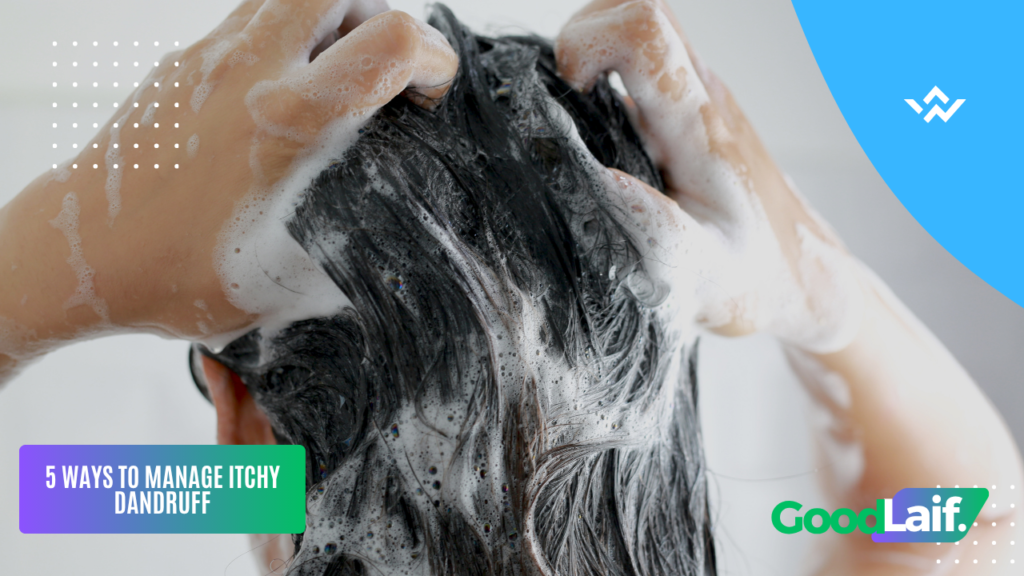
1. Use an Anti-Dandruff Shampoo
Anti-dandruff shampoos can help reduce excess oil, yeast growth, and the buildup of dead skin cells on the scalp.
Follow the product instructions and give it some time to work, as improvement may not happen immediately.
2. Avoid Scratching Your Scalp
Even when the itching is bothersome, try not to scratch aggressively.
Scratching can damage the scalp, increase irritation, and sometimes lead to small wounds.
3. Wash Your Hair Regularly
Regular hair washing helps remove excess oil, dirt, and dead skin cells that can contribute to dandruff.
Choose a washing routine that suits your hair type and lifestyle.
4. Manage Stress
Stress can affect skin health, including the condition of your scalp.
Getting enough sleep, exercising regularly, and taking time to relax may help reduce flare-ups in some people.
5. Review Your Hair Care Products
Certain shampoos, styling products, or treatments may irritate sensitive scalps.
If itching begins after using a new product, consider stopping it temporarily to see whether symptoms improve.
Habits That Can Make Dandruff Worse
Some everyday habits may worsen dandruff symptoms:
- Washing your hair too infrequently
- Scratching the scalp repeatedly
- Using excessive amounts of styling products
- Letting sweat remain on the scalp after exercise
- Rarely cleaning combs and hair brushes
Avoiding these habits may help reduce irritation and keep the scalp healthier.
When Should You See a Doctor?
Consider seeing a doctor if:
- Dandruff does not improve after using anti-dandruff shampoo
- The itching becomes severe
- The scalp appears red or swollen
- Scratching causes wounds or sores
- Significant hair loss occurs
- Dandruff spreads to the face or behind the ears
A dermatologist can perform an evaluation to determine whether your symptoms are caused by seborrheic dermatitis, a fungal infection, psoriasis, or another scalp condition.
Read Also : Oily Scalp? Causes and Effective Ways to Manage It
Conclusion
If you have been asking why is dandruff itchy, the answer often involves scalp irritation, excess oil, dead skin buildup, or the overgrowth of natural scalp yeast. While dandruff is usually not dangerous, the itching can be uncomfortable and affect daily life.
By keeping your scalp clean, using suitable hair care products, and avoiding habits that worsen irritation, dandruff symptoms can often be managed effectively. If symptoms persist or become more severe, consult a healthcare professional for proper diagnosis and treatment.





+ There are no comments
Add yours