

Sunscreen for oily skin can feel like a daily dilemma. Your face already looks shiny by mid-morning, and adding sunscreen may seem like a guaranteed way to make it even greasier. Some people even skip sunscreen altogether because they worry about clogged pores or breakouts.
The good news is that many sunscreens today are specifically formulated for oily skin. With the right product, you can protect your skin from UV exposure without leaving it feeling heavy or sticky throughout the day.
This article is for educational purposes only and does not replace diagnosis, treatment, or medical advice from a doctor or healthcare professional.
Why Does Oily Skin Still Need Sunscreen?
Natural oils do not protect the skin from ultraviolet (UV) rays. Sunscreen works by absorbing or reflecting UV radiation, providing an extra layer of protection during daily activities.
Excessive sun exposure may increase the risk of:
- Redness and discomfort caused by too much sun exposure
- Dark spots and hyperpigmentation
- Signs of premature aging
- Long-term skin damage
That is why sunscreen remains an important part of skincare, even for people with oily skin.
What SPF Is Best for Oily Skin?
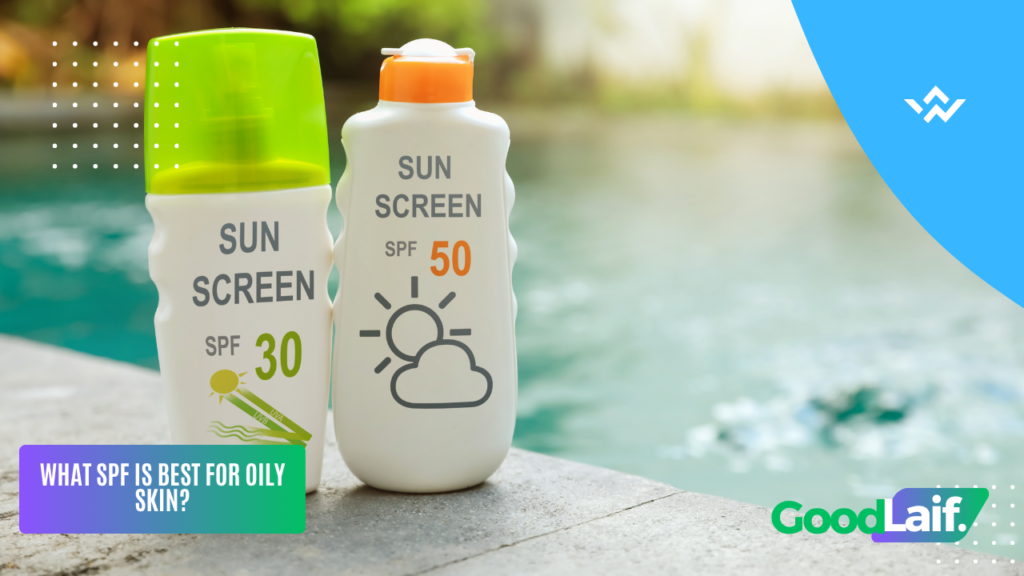
One of the most common questions is whether oily skin requires a higher SPF than other skin types.
In general, many experts recommend using a sunscreen with SPF 30 or higher for everyday use. This level is widely considered suitable for helping protect the skin during normal daily activities.
Besides SPF, look for the term broad-spectrum on the packaging. This indicates that the sunscreen is designed to help protect against both UVA and UVB rays.
Keep in mind that a higher SPF does not mean you can apply sunscreen once and forget about it for the rest of the day. Reapplication is still important according to the product instructions and your activity level.
Features of a Sunscreen Suitable for Oily Skin
Not all sunscreens feel comfortable on oily skin. Some formulas may feel heavy or leave a greasy finish.
For daily use, look for products that are:
- Oil-free
- Gel, fluid, or watery in texture
- Lightweight and fast-absorbing
- Non-greasy after application
- Labeled non-comedogenic
These characteristics are often preferred by people living in hot and humid climates.
Ingredients Commonly Found in Sunscreens for Oily Skin
In addition to texture, it is worth checking the ingredient list.
Some ingredients commonly found in sunscreens formulated for oily skin include:
- Zinc Oxide
- Silica
- Niacinamide
- Green Tea Extract
These ingredients are often chosen because they are generally lightweight and may help reduce the appearance of excess shine. However, every skin type reacts differently, so reviewing the full ingredient list is always recommended.
How to Apply Sunscreen Properly
Even the best sunscreen may not perform as intended if it is not applied correctly.
Here are some practical tips:
- Apply sunscreen as the final step of your morning skincare routine
- Spread it evenly across the face and neck
- A commonly recommended guideline by dermatologists is about two finger lengths of sunscreen for the face and neck
- Apply it 15–20 minutes before going outdoors
- Reapply according to product instructions, especially after sweating or washing your face
3 Common Mistakes That Can Make Oily Skin Feel Worse
1. Skipping Moisturizer
Many people with oily skin avoid moisturizer because they fear it will make their skin greasier. In reality, dehydrated skin may produce even more oil to compensate.
2. Relying Only on Sunscreen Spray
Sunscreen sprays are convenient, but they can be difficult to apply evenly, which may reduce overall protection.
3. Not Cleansing Thoroughly at Night
A buildup of sunscreen, oil, and dirt can increase the likelihood of clogged pores. Proper cleansing at the end of the day helps keep the skin feeling fresh and comfortable.
Read Also : How to Treat Oily Skin Naturally to Prevent Acne and Dullness
Conclusion
Sunscreen for oily skin is still an essential part of daily skincare. For most people, SPF 30 or higher is a commonly recommended choice for everyday protection. Equally important is choosing a lightweight formula that feels comfortable on your skin.
With the right product and consistent use, sunscreen can help protect your skin from UV damage without making your face feel excessively oily or sticky.






+ There are no comments
Add yours