
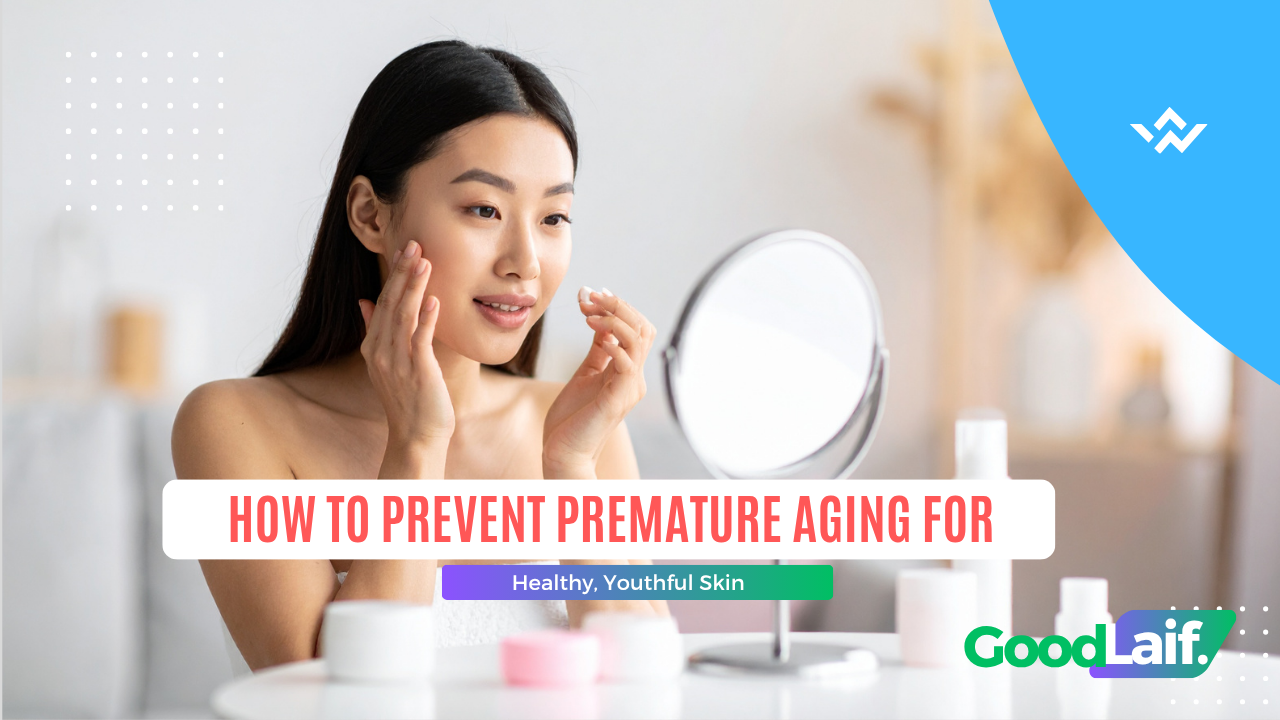
Have you started noticing fine lines around your eyes or that your skin looks duller than it used to? Maybe your makeup doesn’t sit as smoothly as before. These can be some of the early signs of premature aging. The good news is that how to prevent premature aging doesn’t always require expensive skincare products. From wearing sunscreen to getting enough sleep, there are several simple habits you can start today.
Aging is a natural process that everyone experiences over time. However, certain daily habits can speed up the appearance of aging signs on the skin.
This article is for educational purposes only and should not replace medical advice, diagnosis, or treatment from a dermatologist or other qualified healthcare professional.
What Is Premature Aging?
Premature aging refers to visible signs of skin aging that appear earlier than expected. It is commonly influenced by several factors, including sun exposure, pollution, smoking, lack of sleep, and unhealthy lifestyle habits.
While not every factor can be controlled, many daily habits can help support healthier-looking skin over time.
How to Prevent Premature Aging
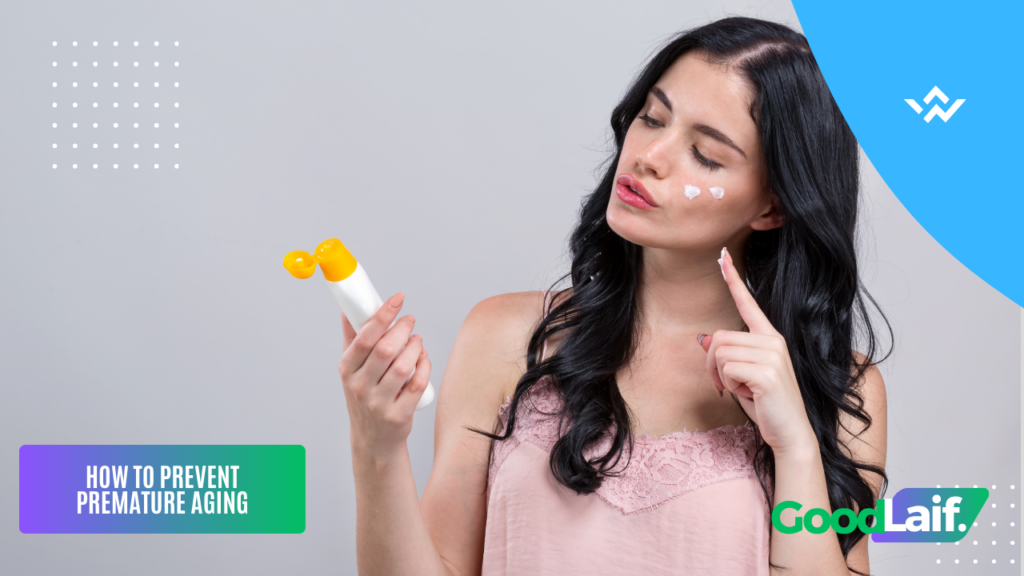
1. Wear Sunscreen Every Day
UV exposure is one of the factors most commonly associated with premature skin aging. Applying sunscreen every morning, even on cloudy days or when spending most of your time indoors, can help protect your skin. Choose a sunscreen with an appropriate SPF and reapply according to the product instructions.
2. Use a Moisturizer That Matches Your Skin Type
Well-moisturized skin often feels softer, looks healthier, and is less likely to appear dull. Choosing a moisturizer that suits your skin type helps support the skin’s natural protective barrier.
3. Eat a Balanced Diet
A diet rich in fruits, vegetables, whole grains, and lean protein is commonly recommended as part of a healthy lifestyle that supports overall skin health.
4. Stay Hydrated
When your body lacks fluids, your skin may feel drier than usual. Drinking enough water each day helps support normal body functions and contributes to maintaining skin hydration.
5. Get Enough Sleep
During sleep, your body performs important recovery processes. Consistently getting too little sleep is often associated with skin that looks tired and dull.
6. Avoid Smoking
Smoking is associated with various changes in the skin, including a duller complexion and the earlier appearance of visible aging signs. Reducing or quitting smoking can be part of an overall healthy lifestyle.
7. Manage Stress
Long-term stress can affect overall health, including your skin. Activities such as regular exercise, hobbies, meditation, or relaxation techniques can support a healthier lifestyle.
Habits to Avoid
Besides building healthy habits, try to avoid these behaviors:
- Spending too much time in the sun without protection.
- Sleeping without removing makeup or cleansing your face.
- Using skincare products that do not suit your skin type.
- Smoking and excessive alcohol consumption.
- Frequently getting insufficient sleep.
Reducing these habits can help support healthier-looking skin.
When Should You See a Dermatologist?
Consult a dermatologist if:
- Your skin changes rapidly or is accompanied by other symptoms.
- You notice unusual spots, bumps, or changes in skin color.
- Skincare products repeatedly cause irritation.
- You need professional advice on choosing the right skincare routine.
A dermatologist can evaluate your skin condition and recommend appropriate care based on your individual needs.
Read Also : Men’s Face Moisturizer: How to Choose and Use It for Your Skin
Conclusion
How to prevent premature aging is not just about using skincare products. Daily habits such as wearing sunscreen, moisturizing regularly, eating a balanced diet, staying hydrated, getting enough sleep, managing stress, and avoiding smoking can all be part of maintaining healthy skin.
You don’t have to change everything at once. Start with one simple habit, such as applying sunscreen every morning or improving your sleep schedule. As those habits become routine, you can gradually build a healthier skincare and lifestyle routine. If you have persistent skin concerns or need personalized recommendations, consult a dermatologist.







+ There are no comments
Add yours