
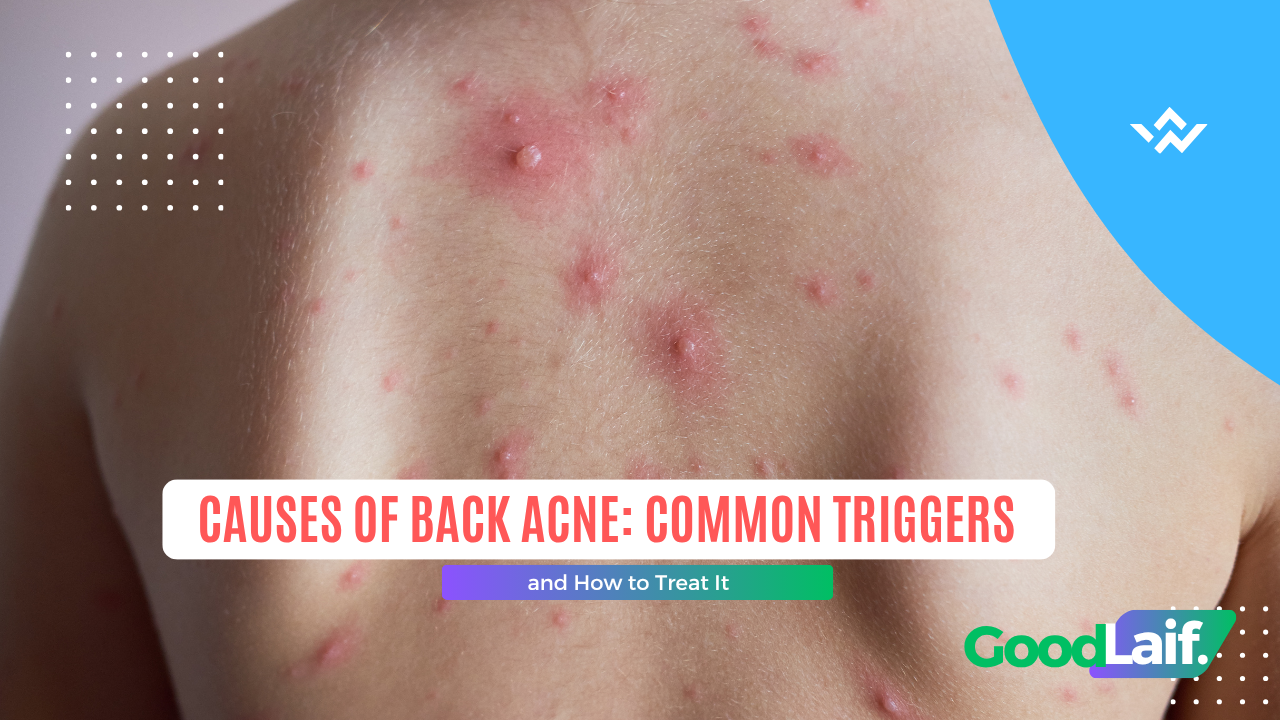
Back acne can be frustrating. You may only notice it when your back hurts against a chair or when you want to wear clothing that exposes your shoulders or back. This skin concern is common and can affect both teenagers and adults. Understanding the causes of back acne is the first step toward choosing the right treatment.
Back acne, also known as bacne, may look similar to facial acne, but the skin on your back contains more oil glands. This makes clogged pores more likely, especially when combined with sweat, friction, and dead skin cells. The good news is that back acne can often be managed with proper skincare and healthy daily habits.
This article is for educational purposes only and should not replace medical advice, diagnosis, or treatment from a dermatologist or other qualified healthcare professional.
What Causes Back Acne?
Back acne develops when pores become clogged with excess oil, dead skin cells, and bacteria. Several factors can increase the likelihood of breakouts.
1. Excess Oil Production
The back contains many oil glands. When these glands produce too much oil, pores can become blocked more easily, increasing the risk of acne.
2. Sweat Buildup
After exercising or spending the day outdoors, sweat can mix with oil and dirt on the skin. If it remains on the skin for too long, clogged pores become more likely.
3. Friction from Clothing
Tight clothing, backpacks, or fabrics that trap heat and moisture can irritate the skin. Constant friction may worsen existing acne or contribute to new breakouts.
4. Dead Skin Cell Buildup
The back is one of the hardest areas to clean thoroughly. As a result, dead skin cells may accumulate without you noticing. Combined with excess oil, they can block pores and trigger acne.
5. Hormonal Changes
Hormonal fluctuations during puberty, menstruation, or certain medical conditions may increase oil production, making body acne more likely to develop.
How to Get Rid of Back Acne
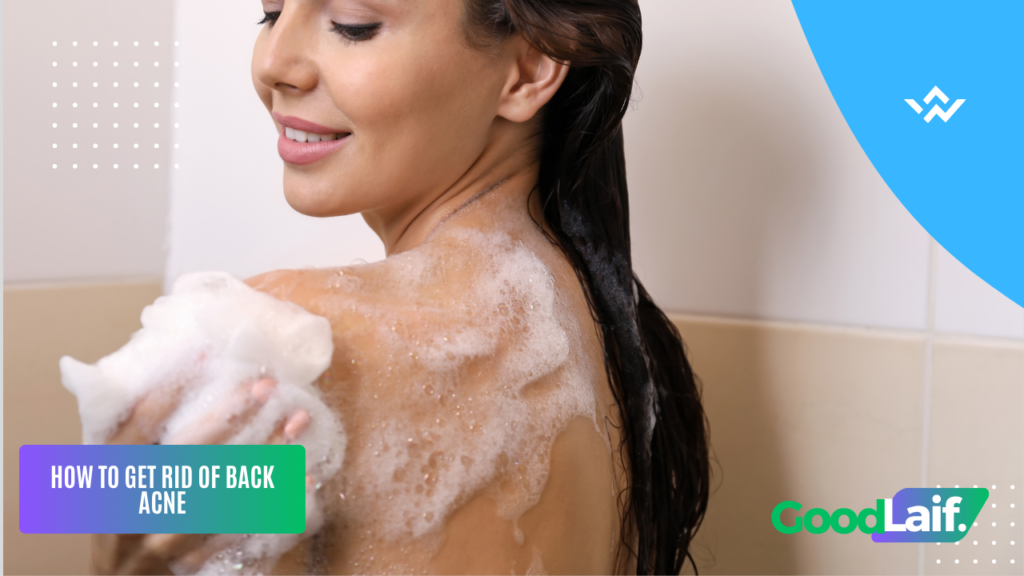
Understanding the cause is important, but proper skincare also plays a major role in controlling breakouts.
Use a Body Wash with Salicylic Acid or Benzoyl Peroxide
Body washes containing salicylic acid or benzoyl peroxide are commonly used to help unclog pores and reduce acne-causing bacteria. Choose a product that suits your skin type and follow the directions for use.
Shower After Sweating
Don’t wait too long after exercising or heavy physical activity. Showering promptly helps remove sweat, oil, and dirt before they clog your pores.
Wear Breathable Clothing
Choose cotton or other breathable fabrics that absorb sweat well. This helps reduce moisture buildup and minimizes friction on your skin.
Avoid Picking Pimples
Popping or squeezing pimples can worsen inflammation and increase the risk of acne scars.
Change Towels and Clothes Regularly
Sweaty clothes, towels, and bedsheets can collect oil, sweat, and bacteria. Washing them regularly helps maintain healthier skin.
When Should You See a Dermatologist?
Consider seeing a dermatologist if:
- Your acne is painful.
- Large or pus-filled bumps develop.
- The condition does not improve after several weeks of self-care.
- Acne starts leaving noticeable scars.
- Breakouts keep returning and affect your daily life.
A dermatologist can identify the underlying cause and recommend the most appropriate treatment for your skin.
Read Also : Allergy Itch Medicine at Pharmacies: Options and Safe Use
Can Back Acne Be Prevented?
In many cases, the causes of back acne include excess oil production, sweat, friction from clothing, dead skin cell buildup, and hormonal changes. Keeping your skin clean, showering after sweating, wearing breathable clothing, and using suitable skincare products can help reduce the risk of bacne.
If your back acne becomes more severe, keeps coming back, or leaves scars, don’t hesitate to consult a dermatologist. Early treatment can help prevent complications and support healthier skin over time.






+ There are no comments
Add yours