
Martial arts are not just about self-defense. Today, many people practice them to improve physical fitness, relieve stress, and build self-confidence. In addition, combat sports training helps develop discipline, focus, and emotional control, making it beneficial for everyday life.
The good news is that martial arts can be practiced by people of almost all ages, from children to adults. By choosing the right style and training consistently, you can enjoy a wide range of physical and mental health benefits while learning valuable self-defense skills.
What Are Martial Arts?
Martial arts are systems of techniques and skills designed for self-defense while also improving physical fitness, coordination, and mental strength. Beyond learning how to defend yourself, many combat sports emphasize values such as respect, discipline, perseverance, and responsibility.
Many martial arts also have deep cultural and historical roots, making them an important part of the traditions of different countries around the world.
Types of Martial Arts
There are many martial arts styles to choose from, each with its own techniques and training methods.
Some of the most popular include:
- Karate, which focuses on punches, kicks, and defensive techniques.
- Taekwondo, known for its fast and powerful kicking techniques.
- Judo, which emphasizes throws, grappling, and submission techniques.
- Pencak Silat, the traditional martial art of Indonesia that combines self-defense with cultural heritage.
- Muay Thai, which uses punches, kicks, elbows, and knees.
- Brazilian Jiu-Jitsu (BJJ), which specializes in ground fighting and submission holds.
Each martial art offers different benefits and levels of intensity. Therefore, choose one that matches your interests, fitness level, and personal goals.
Benefits of Martial Arts
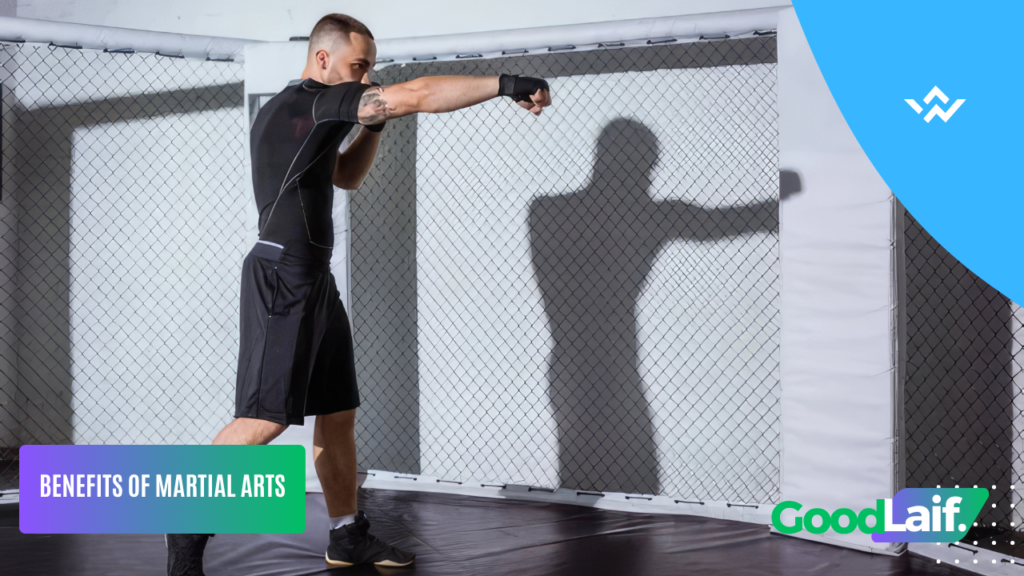
Practicing martial arts regularly provides numerous physical and mental health benefits.
Some of the key benefits include:
- Improving strength, balance, and flexibility.
- Enhancing coordination, agility, and reflexes.
- Supporting weight management by burning calories.
- Boosting self-confidence.
- Reducing stress and improving mood.
- Developing discipline, focus, and emotional control.
In addition, activities such as striking pads, practicing forms, or sparring stimulate the release of endorphins, often called the “feel-good” hormones, which help reduce stress and improve overall well-being after exercise.
According to the World Health Organization (WHO), regular physical activity helps lower the risk of chronic diseases while improving overall health and quality of life. The American Heart Association (AHA) also highlights that consistent exercise plays an important role in maintaining cardiovascular health.
Are Martial Arts Suitable for Beginners?
Yes. Most martial arts schools offer beginner-friendly classes where students learn fundamental techniques, proper body mechanics, and safety rules before progressing to more advanced skills.
Therefore, you do not need prior experience to start training. The most important thing is to practice consistently and progress at a pace that matches your ability.
Tips for Choosing the Right Martial Art
Before joining a class, think about your primary goal.
- If your goal is improving fitness and burning calories, Muay Thai or Taekwondo may be ideal choices.
- If you want practical self-defense skills, consider Brazilian Jiu-Jitsu or Judo.
- If you’re interested in preserving Indonesian culture, Pencak Silat is an excellent option.
- If you’re looking for a discipline-focused activity for children or teenagers, Karate is a great choice.
In addition, choose a training center with qualified instructors, wear appropriate protective equipment, and consider taking a trial class before enrolling.
Are Martial Arts Safe?
In general, martial arts are safe when practiced correctly under the supervision of experienced instructors. However, like any physical activity, they do carry some risk of injury.
Common injuries include bruises, sprains, muscle soreness, and minor strains. Fortunately, these risks can be reduced by warming up for 10–15 minutes, wearing protective gear such as mouthguards and shin guards when needed, and avoiding overexertion, especially during your first few training sessions.
Read Also : Muay Thai: The Martial Art That Transforms Body and Mind
Conclusion
Martial arts are much more than self-defense techniques. They are a complete form of exercise that benefits both physical and mental health. With regular practice, you can improve your fitness, increase self-confidence, strengthen discipline, and develop better emotional control.
Most importantly, choose a martial art that matches your goals and fitness level. With consistent training, proper guidance, and the right safety equipment, you can enjoy the many benefits of martial arts while minimizing the risk of injury.








+ There are no comments
Add yours