
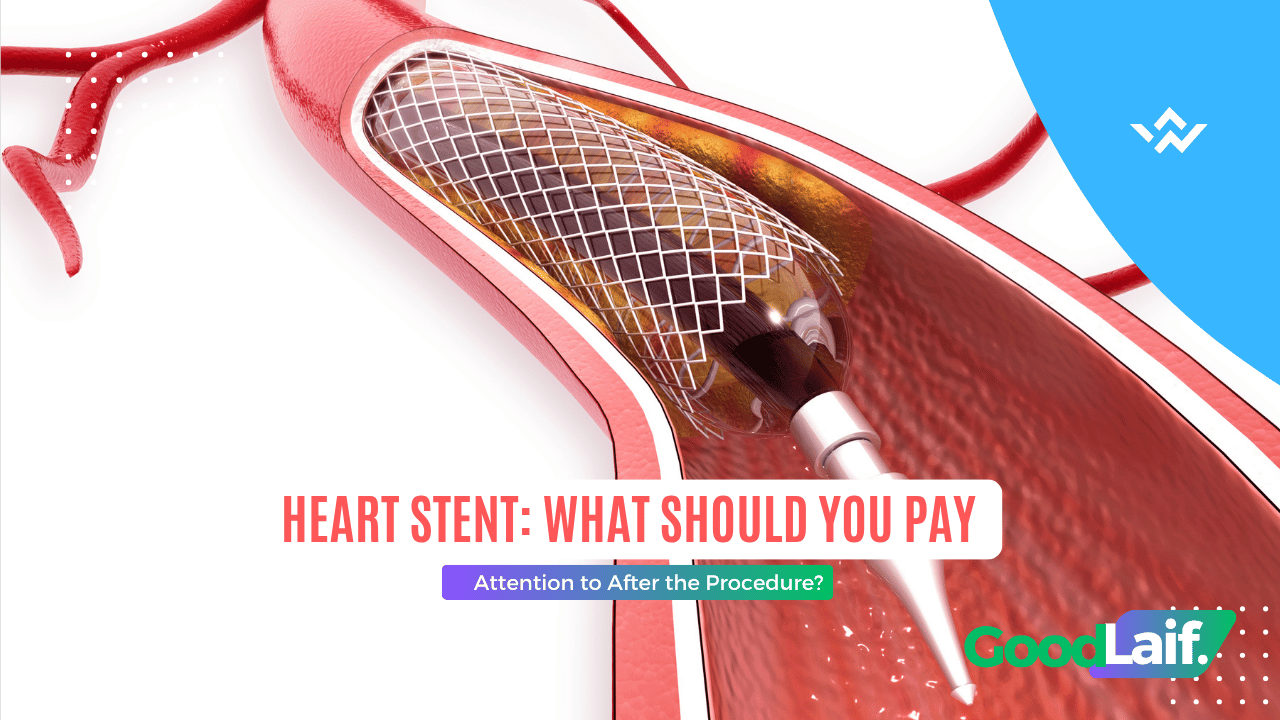
Just had a heart stent procedure and still wondering what you can and can’t do afterward? Don’t worry, it’s normal to have lots of questions. Your body needs time to recover. You also need to pay more attention to your daily habits.
A heart stent, also called a coronary stent, is placed to help keep a narrowed or blocked heart artery open. But getting a stent doesn’t mean your heart problems are completely gone. A healthy lifestyle and regular checkups still matter.
What Happens After a Heart Stent Procedure?
After the procedure, you may feel tired or have some discomfort around the area where the catheter was inserted. Everyone can experience this differently.
Your doctor will usually give you instructions about rest, activity, medication, and follow-up appointments. Follow those instructions and don’t rush back into strenuous activities.
If you’re prescribed medication, take it as directed. This may include blood-thinning medication and other heart medicines that need to be taken regularly.
If you forget a dose, don’t double up on the next dose without checking with your doctor first.
What Foods Are Good for Your Heart?

Food also plays an important role. After a heart stent procedure, try to follow an eating pattern that’s more heart-friendly.
Eat more vegetables, fruits, fish, beans, tofu, and tempeh. Healthy fats can come from avocados, nuts, fish, and olive oil.
Fried foods, fast food, fatty meats, processed foods, and sugary drinks should be limited.
You don’t have to eliminate everything at once. Start by reducing the portions and choosing healthier options more often.
Can You Be Active After a Heart Stent?
You can gradually return to activities, but don’t push yourself too quickly. When you can return to your normal routine depends on your condition and where the catheter was inserted.
Light activity, such as walking for 5–10 minutes at home, may be appropriate once your doctor gives you permission. You can then gradually increase your activity based on medical advice.
If you experience chest pain, shortness of breath, dizziness, or other unusual symptoms while moving, stop and seek medical help.
When Should You See a Doctor?
This is really important, so don’t ignore these symptoms. After the procedure, seek medical attention if you experience:
- Severe chest pain: especially if it doesn’t improve with rest or gets worse.
- Shortness of breath: particularly if it starts suddenly.
- Fainting: or feeling like you’re about to lose consciousness.
- Bleeding: bleeding at the catheter insertion site that won’t stop.
- Swelling: increasing swelling or pain around the catheter site.
- Worsening condition: feeling extremely weak or developing new symptoms that concern you.
Don’t wait too long if your symptoms feel serious.
Read Also : Restrictions After Heart Stent Placement: What You Should Avoid
A Heart Stent Doesn’t Mean You Can Stop Caring for Your Heart
A heart stent procedure helps open a narrowed artery, but taking care of your heart still needs to continue afterward.
Start with simple steps: eat healthier, take your medication and attend checkups as recommended, quit smoking if you smoke, get enough rest, and stay active according to your doctor’s advice.
You don’t have to change everything perfectly overnight. Take it one step at a time. One small step today can help support a healthier heart tomorrow.
This information is general and doesn’t replace an examination or medical advice from your doctor.






+ There are no comments
Add yours