


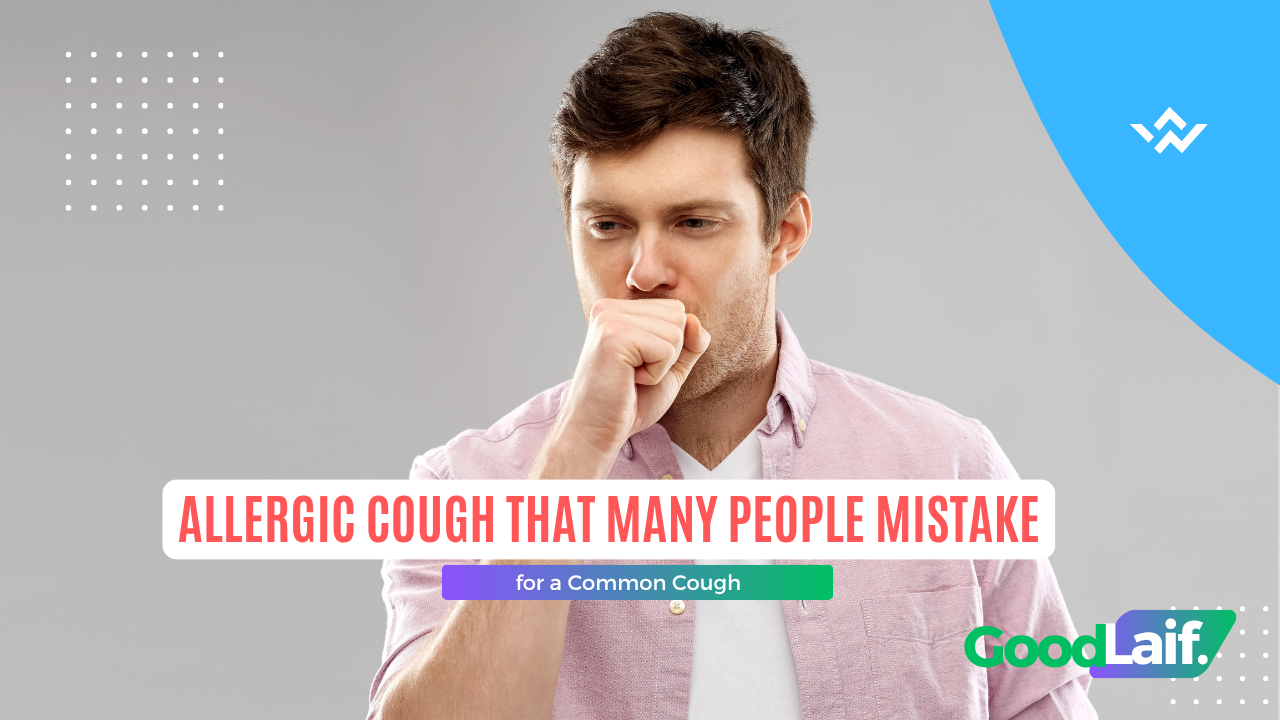
Your cough just won’t go away, but you don’t have a fever? Your throat doesn’t really hurt, yet every time you’re exposed to dust or cold air, the coughing starts again. Have you tried different cough medicines but you’re still coughing whenever the air conditioner is on or while cleaning the house? If so, don’t assume it’s just a common cough. It could actually be an allergic cough.
This kind of cough can be really frustrating. You suddenly start coughing in the middle of a conversation. When it’s time to sleep, your throat feels itchy all over again. Staying focused at work becomes difficult. The good news is that once you know what’s triggering it, the symptoms are often much easier to manage.
What Causes an Allergic Cough?

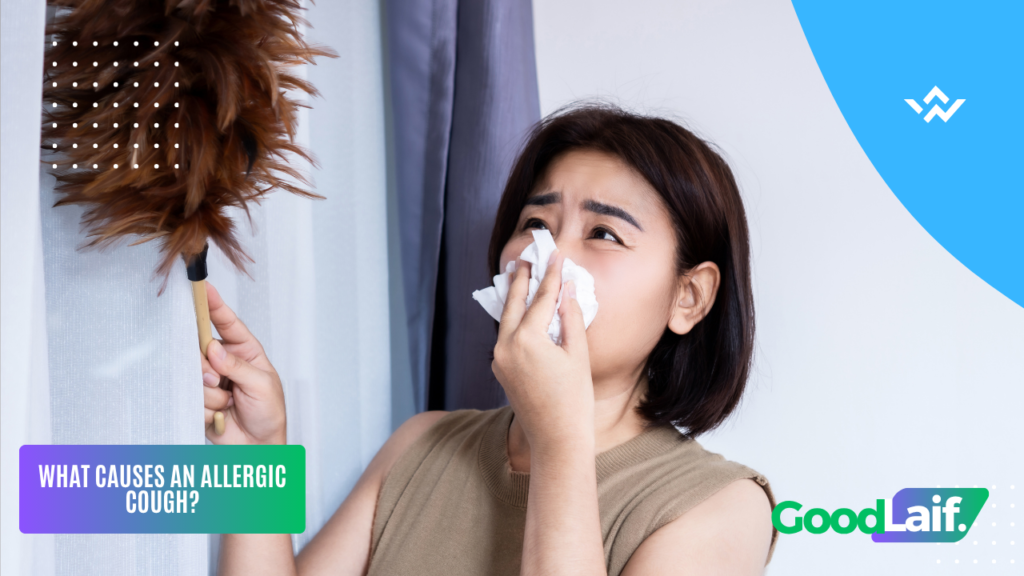
Here’s the simple explanation. An allergic cough happens when your immune system overreacts to substances that are actually harmless. These substances, called allergens, include dust, pet dander, pollen, dust mites, and mold.
When your body thinks these allergens are a threat, your airways react. That’s why your throat may become itchy, followed by coughing, a runny nose, or repeated sneezing.
For example, after cleaning a dusty room, you may start sneezing. A few minutes later, your throat becomes itchy and the coughing begins. Dust is one of the most common allergy triggers.
According to the Indonesian Pediatric Society (IDAI), respiratory allergies are among the common causes of chronic cough, especially in people with a history of allergies.
Signs of an Allergic Cough
Many people think every cough is the same. In reality, an allergic cough has several characteristics that make it different.
1. It Starts After Exposure to Triggers
If your coughing usually begins after exposure to dust, cold air, smoke, or pet dander, allergies may be the cause.
Try to remember what you were doing right before the symptoms appeared.
2. Sneezing and a Runny Nose
An allergic cough is often accompanied by an itchy nose, frequent sneezing, or a runny nose.
When these symptoms appear together, allergies become a likely explanation.
3. No Fever
Unlike a cough caused by a viral infection, an allergic cough usually isn’t accompanied by a fever or body aches.
If you’ve been coughing for several days but otherwise feel healthy, allergies could be the reason.
4. An Itchy Throat
An itchy throat is one of the most common reasons the coughing keeps coming back.
It may sound minor, but it can become very annoying because the irritation keeps triggering the urge to cough.
How to Manage an Allergic Cough at Home
There are several simple steps you can take to reduce your symptoms.
1. Avoid Allergy Triggers
This is the most important step. If dust is your trigger, clean your home regularly and wear a mask while dusting or vacuuming.
If pet dander or cigarette smoke triggers your symptoms, try to limit your exposure as much as possible.
2. Take Medication Recommended by Your Doctor
Your doctor may recommend antihistamines to help reduce the allergic reaction, depending on your condition.
Don’t buy medication on your own. This is especially important for pregnant women, young children, or people with certain medical conditions. Antihistamines should only be taken according to your doctor’s advice and the recommended dosage.
3. Improve Indoor Air Quality
Cleaner air can help reduce irritation in your airways.
If possible, use an air purifier or open your windows regularly to improve ventilation and keep fresh air circulating inside your home.
When Should You See a Doctor?
If your allergic cough doesn’t improve, don’t ignore it. You should also seek medical attention if you develop shortness of breath, wheezing, difficulty sleeping, or if the cough lasts for weeks.
Your doctor can perform the necessary evaluation to confirm whether your symptoms are caused by allergies or another medical condition that requires treatment.
Please note: This article is for educational purposes only and is not a substitute for professional medical advice. If your symptoms become more frequent or more severe, consult a healthcare professional as soon as possible.
Read Also : Adult Cold and Cough Medicine: How to Choose the Right One
Conclusion
An allergic cough is often mistaken for a common cough, even though the cause and treatment are different. Dust, pet dander, pollen, and cold air are some of the most common triggers. The key is to identify what causes your coughing episodes and avoid those triggers whenever possible. Doing so can help reduce flare-ups and make your symptoms easier to control.
Tired of coughing over and over again? Take a look around your home and see if dust or other allergy triggers might be the problem. If your symptoms haven’t improved after two weeks, schedule an appointment with your doctor instead of waiting for them to get worse.