
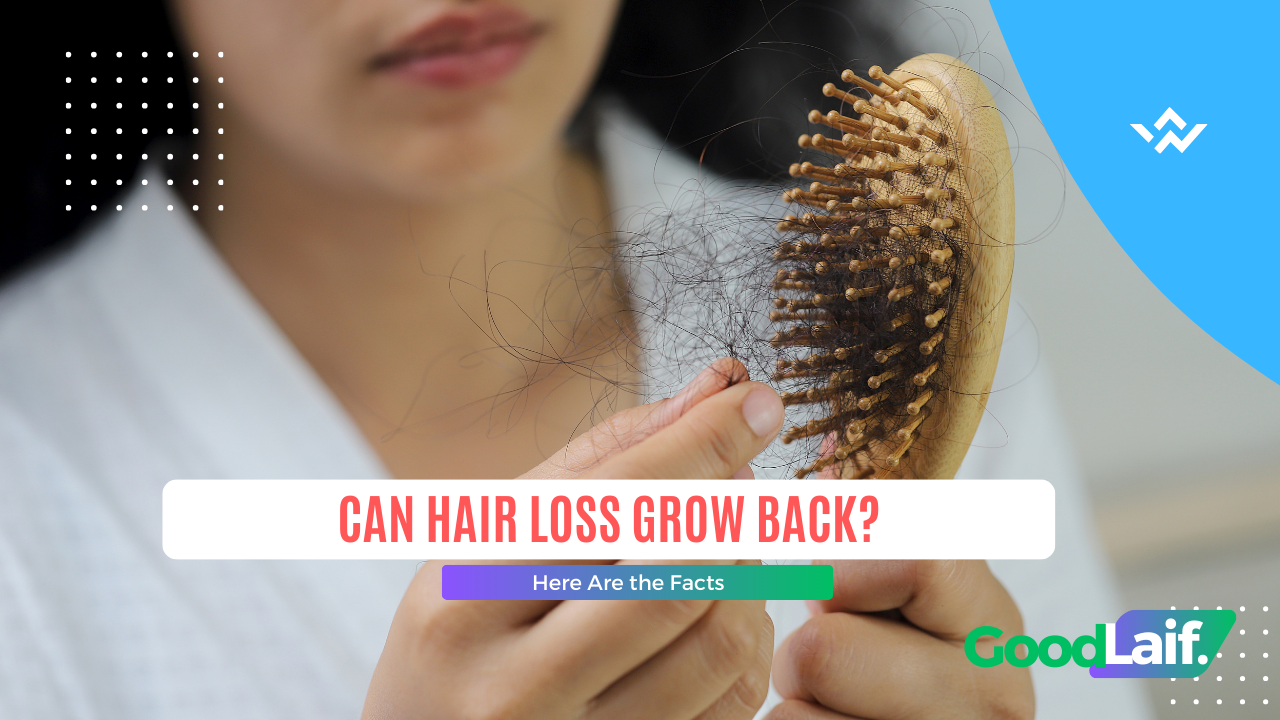
Have you ever felt panicked when you notice more hair left on your comb or in the bathroom? The immediate question that usually comes to mind is: can hair loss grow back? This concern is completely natural, especially if the shedding feels heavier than usual. However, before overreacting, it is important to first understand the cause and condition of your hair.
Basically, hair has a natural growth cycle. Each strand goes through a growth phase (anagen), a resting phase (telogen), and a shedding phase. Under normal conditions, daily hair shedding can reach around 50 to 100 strands, and this is a natural part of the hair growth cycle. So, not all hair loss means permanent baldness.
Can Hair Loss Grow Back?
The answer: it depends on the cause. If hair loss occurs due to temporary factors such as stress, nutritional deficiencies, hormonal changes, or the use of unsuitable products, hair can usually grow back once the underlying cause is addressed.
However, if hair loss is caused by genetic factors such as male or female pattern baldness (androgenetic alopecia), regrowth can be more difficult without special treatment. In this condition, hair follicles gradually shrink, causing the hair to grow thinner before eventually stopping altogether.
Common Causes of Hair Loss
To understand whether hair loss can grow back, you need to identify the cause. Some common factors include:
- Excessive stress
Physical or emotional stress can trigger temporary hair loss because the body redirects energy to other vital functions. - Nutritional deficiencies
Insufficient intake of protein, iron, zinc, and vitamins such as biotin can weaken hair roots and slow growth. - Hormonal changes
Pregnancy, childbirth, menopause, or thyroid disorders can significantly affect the hair growth cycle. - Excessive use of chemical treatments
Hair coloring, straightening, bleaching, and frequent use of heat styling tools can damage the hair shaft and roots. - Genetic factors
A family history of baldness increases the risk of permanent hair loss due to follicle sensitivity to certain hormones.
Signs That Hair Can Still Grow Back
There are several indications that your hair still has the potential to regrow, such as:
- Hair loss has occurred for less than six months
- The scalp does not appear shiny or show signs of scarring
- Fine hair (baby hair) is still visible in thinning areas
- Hair loss occurs evenly, not only in one specific spot
If the hair follicles are still active and not permanently damaged, the chances of regrowth are quite high with proper and consistent care.
How to Support Hair Growth
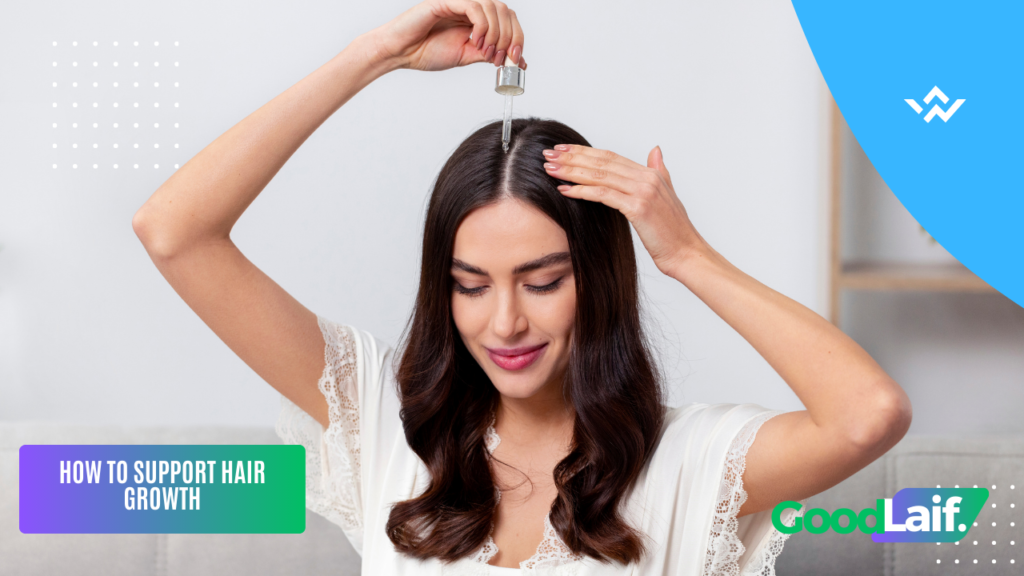
If you are wondering whether hair loss can grow back, the good news is that there are several steps that may help speed up the process:
- Consume high-protein foods such as eggs, fish, and nuts
- Ensure adequate intake of iron and vitamins
- Choose a mild shampoo formula tailored to your scalp condition and needs to keep it healthy and less prone to irritation
- Avoid excessive use of heat styling tools
- Manage stress through exercise, sufficient sleep, or relaxation techniques
- Perform gentle scalp massages to help improve blood circulation
In some cases, a doctor may recommend certain therapies or supplements to stimulate hair growth, especially if the hair loss has been ongoing for a long time.
Read Also : Japanese Head Spa as a Relaxation and Hair Health Treatment
Conclusion
So, can hair loss grow back? In many cases, the answer is yes — especially if the cause is temporary and the hair follicles are still healthy. The key is to identify the cause early, maintain a balanced diet, and care for your hair properly.
Instead of panicking immediately, it is better to observe your hair loss pattern and gradually improve your lifestyle. With consistent care and proper nutrition, the opportunity for hair to grow back remains open, and long-term hair health can be maintained.








+ There are no comments
Add yours