


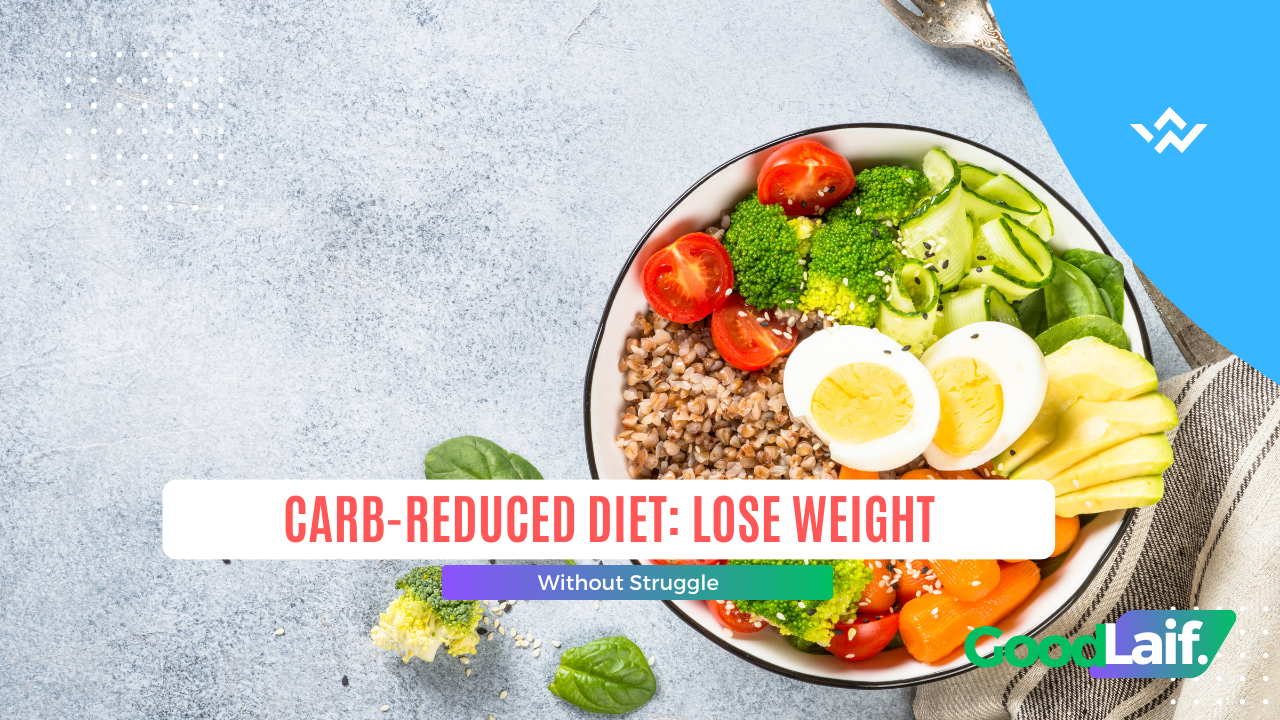
Have you ever felt like you’re eating less, yet the scale refuses to budge? Or noticed your weight creeping up even though you don’t feel like you’re overeating? The problem may not be how much you eat, but what you eat daily. This is where the carb-reduced diet comes into play, gaining attention as an effective way to support weight loss.
What Is a Carb-Reduced Diet?
A carb-reduced diet is a meal plan that limits carbohydrate intake to encourage the body to burn fat as its primary energy source. Carbohydrates typically come from rice, bread, pasta, potatoes, sugar, and flour-based processed foods. When carbohydrate intake is reduced, the body shifts from relying on glucose for energy to utilizing stored fat.
Normally, the body breaks down carbs into blood sugar (glucose). Excess glucose that is not used for energy is stored as fat. This explains why excessive carbohydrate consumption is often linked to weight gain and a higher risk of obesity.
Types of Carb-Reduced Diets
There are several variations of carb-reduced diets depending on your needs and goals:
- Low Carb – Reduces daily carb intake but doesn’t eliminate it completely.
- Keto Diet – Extremely low in carbs and high in fat, causing the body to enter a state of ketosis.
- Clean Carb Reduction – Focuses on cutting processed carbs like sugar and white flour while still including complex carbs.
Each method has its own rules, so it’s important to choose a plan that fits your lifestyle, daily activity, and ability to follow it consistently.
Benefits of a Carb-Reduced Diet
A carb-reduced diet is known to help people lose weight faster, especially in the early stages. Other common benefits include:
- Reducing excessive appetite
- Stabilizing blood sugar levels
- Decreasing belly fat
- Increasing energy once the body adapts
- Helping control sugar cravings
Results may vary depending on metabolism, lifestyle, and consistency in following the diet plan.
What to Eat and Avoid

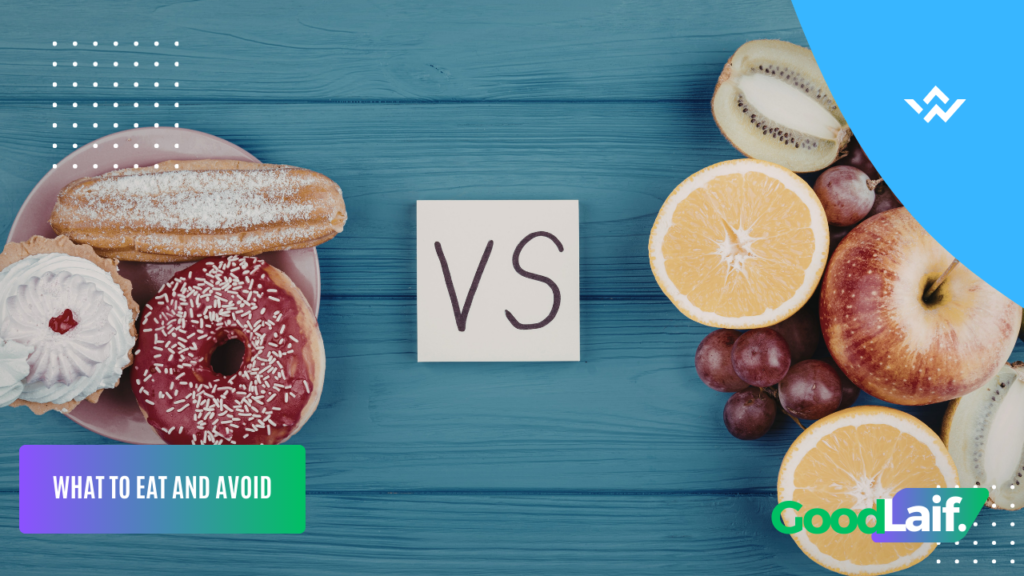
In a carb-reduced diet, it’s recommended to increase intake of:
- Proteins such as chicken, fish, eggs, and tofu
- Healthy fats like avocado, nuts, and olive oil
- Green vegetables and fiber-rich foods
Foods to limit include:
- White rice and white bread
- Sugary snacks and cakes
- Soda or high-sugar drinks
- Flour-based processed snacks
However, this doesn’t mean you should completely avoid carbs. Choose complex carbs in moderation to maintain balanced nutrition and sufficient fiber intake.
Is a Carb-Reduced Diet Safe?
For most healthy individuals, carb-reduced diets are generally safe. At first, some people may feel weak, dizzy, or fatigued as the body adjusts. Although it may feel uncomfortable initially, this is usually just a transitional phase that improves within a few days.
Individuals with diabetes, kidney disorders, or certain medical conditions should consult a healthcare professional before starting a carb-reduced diet to ensure it is safe and effective.
Read Also : Diet for Gastritis: Recommended Foods for Stomach Health
Conclusion
A carb-reduced diet is not just a trend—it’s a strategy to manage food intake more effectively. By limiting excessive carbs and choosing healthier food options, weight loss becomes easier. The key is consistency, portion control, and maintaining balanced nutrition. When done correctly and gradually, a carb-reduced diet can be the first step toward a healthier lifestyle, better metabolism, and a more ideal body.