


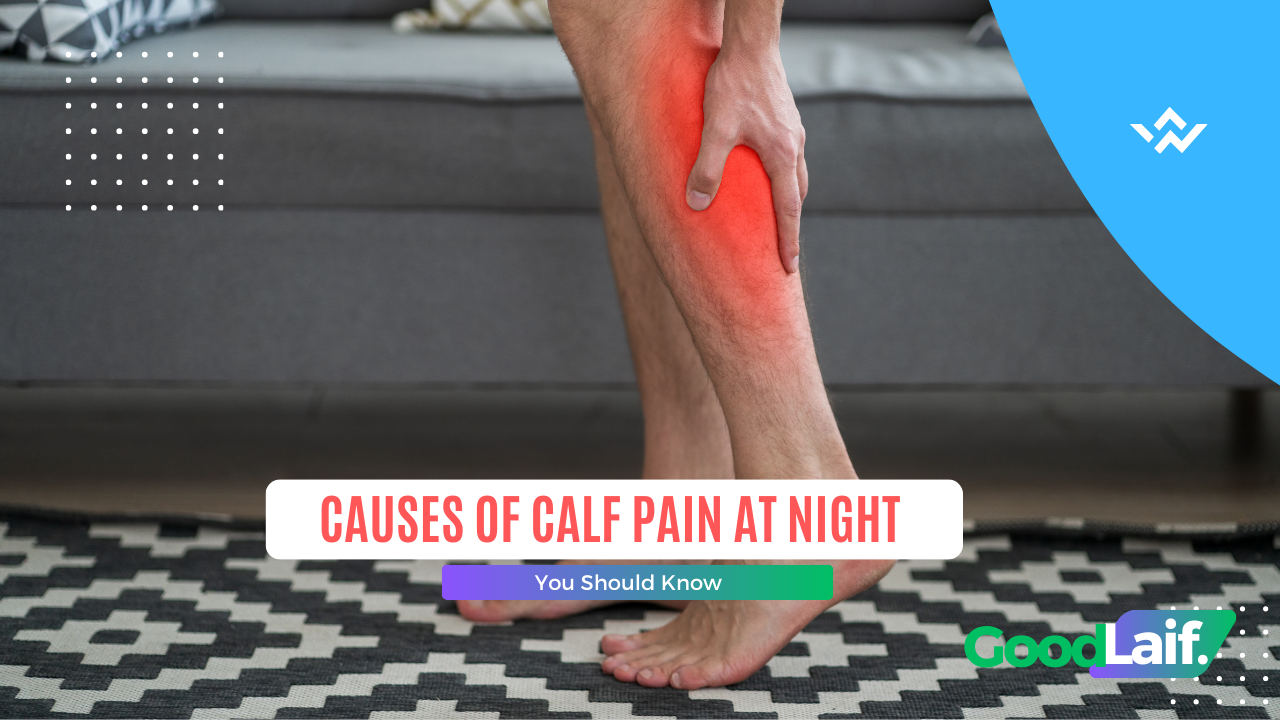
Have you ever suddenly woken up in the middle of the night because your calf feels sore or tight? Sometimes the discomfort appears without warning and can disturb your sleep. Many people wonder about the causes of calf pain at night, especially when the problem happens repeatedly.
Although it may seem like a minor issue, calf pain during the night can be related to several factors, including daily activities, muscle fatigue, or certain health conditions. Understanding the possible causes can help you find the right way to reduce or prevent the discomfort.
Why Do Calves Feel Sore at Night?


One of the most common causes of calf pain at night is muscle fatigue. During the day, the calf muscles work continuously to support body weight and help with walking, standing, and other movements. After hours of activity, the muscles may become tired and tense. When the body finally rests at night, the tired muscles may feel sore or tight.
Sleeping position can also affect the calf muscles. If the legs remain in the same position for a long time, blood circulation may slow down slightly. This can lead to stiffness or mild pain in the calf area.
Lack of Essential Minerals
Another possible cause of calf pain at night is a lack of important minerals in the body. Minerals such as magnesium, potassium, and calcium play an essential role in muscle function. These nutrients help muscles contract and relax properly.
When the body lacks these minerals, muscles may become more prone to cramps, tightness, or soreness. People who do not consume balanced meals or who do not drink enough water may experience this problem more often.
Dehydration can also contribute to muscle discomfort. When the body lacks enough fluids, muscles may become tense and more sensitive to fatigue.
Excessive Physical Activity
Heavy physical activity can also lead to calf pain at night. Activities such as running, walking long distances, standing for many hours, or intense exercise can place extra strain on the calf muscles.
When muscles are overworked, they need time to recover. If the body does not get enough rest, the muscles may react by feeling sore or tight, especially when you lie down to sleep.
Poor Blood Circulation
Poor blood circulation may also be one of the causes of calf pain at night. Muscles need a steady supply of oxygen and nutrients through the bloodstream. If circulation is not optimal, the muscles may not receive enough oxygen, which can lead to discomfort or muscle tension.
This situation often occurs in people who sit for long periods or have a less active lifestyle.
How to Reduce Calf Pain at Night
Fortunately, there are several simple ways to help reduce calf pain before going to sleep.
1. Stretch Your Legs Before Bed
Gentle stretching exercises for the legs can help relax tight muscles and improve flexibility.
2. Stay Hydrated
Drinking enough water throughout the day helps maintain proper muscle function and prevents dehydration.
3. Eat Nutrient-Rich Foods
Foods that contain magnesium, potassium, and calcium support healthy muscles and may reduce muscle cramps.
4. Avoid Overworking Your Muscles
If you exercise regularly, make sure to warm up before physical activity and allow your body enough time to rest afterward.
Read Also : Causes of Leg Cramps That Often Happen Suddenly
Conclusion
Understanding the causes of calf pain at night can help you take the right steps to prevent it. Muscle fatigue, lack of minerals, excessive physical activity, and poor circulation are some of the most common reasons this discomfort occurs.
By maintaining a healthy lifestyle, staying hydrated, stretching regularly, and eating balanced meals, you can reduce the risk of calf pain during the night. However, if the pain happens frequently or becomes severe, it is best to consult a healthcare professional for proper evaluation and treatment.