


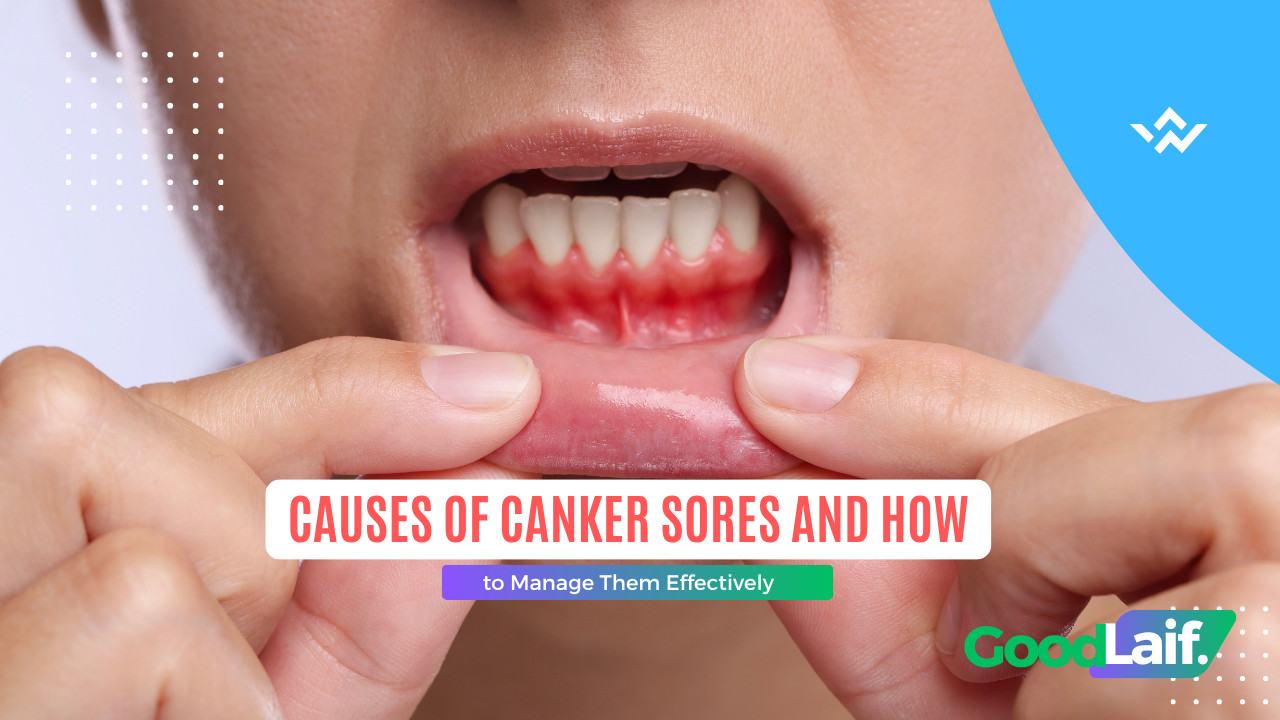
Enjoying a meal when suddenly the inside of your mouth feels sore and painful? Or maybe even a warm drink causes discomfort? If this sounds familiar, you may be wondering about the causes of canker sores and why they sometimes keep coming back.
Canker sores are small ulcers that develop inside the mouth, including the inner cheeks, tongue, gums, or lips. While most cases are harmless and heal on their own, they can make eating, drinking, and speaking uncomfortable. In some situations, sores that do not heal may require medical attention.
The good news is that most canker sores improve within 1–2 weeks. Understanding what causes them can help reduce the risk of future outbreaks.
This article is for educational purposes only and should not replace professional medical advice, diagnosis, or treatment from a doctor.
7 Common Causes of Canker Sores

Many factors can trigger canker sores. Here are some of the most common causes:
1. Injury Inside the Mouth
Canker sores often appear after accidentally biting the inside of your cheek.
Braces, sharp teeth, or brushing too aggressively can also irritate the soft tissues of the mouth and lead to sores.
2. Vitamin and Mineral Deficiencies
Low levels of vitamin B12, iron, folate, or zinc may increase the risk of canker sores in some people.
This is why an unbalanced diet is sometimes linked to recurring mouth ulcers.
3. Stress and Lack of Rest
Have you noticed canker sores appearing during stressful periods or after several nights of poor sleep?
Stress can affect the immune system and make the mouth more vulnerable to inflammation.
4. Certain Foods
Spicy, acidic, or very hot foods may irritate the lining of the mouth and trigger discomfort.
Some people are also more sensitive to specific foods, making them more likely to develop canker sores.
5. Hormonal Changes
Hormonal fluctuations, especially in women, may contribute to the development of canker sores.
This is why some women experience them more often before or during their menstrual cycle.
6. Poor Oral Hygiene
A buildup of plaque and bacteria in the mouth can increase the risk of irritation and inflammation.
Maintaining good oral hygiene may help lower this risk.
7. Certain Health Conditions
In some cases, recurring canker sores may be associated with conditions such as Celiac Disease, inflammatory bowel diseases, or immune system disorders.
These conditions cannot be diagnosed on your own and require medical evaluation to determine the underlying cause.
How to Manage Canker Sores at Home
Most canker sores can improve with simple home care, including:
- Drinking enough water
- Maintaining good oral hygiene
- Avoiding spicy or acidic foods
- Using over-the-counter oral gels or mouthwashes that contain hyaluronic acid or mild antiseptic ingredients
- Getting enough rest
Avoid using steroid-containing treatments without a doctor’s prescription. If you are unsure which product to use, ask a pharmacist or healthcare professional.
Also, try not to touch or repeatedly irritate the sore with your tongue, as this may slow the healing process.
Habits That Can Slow Healing
Some habits can make canker sores more painful or delay recovery:
- Smoking
- Not drinking enough water
- Frequently eating spicy foods
- Lack of sleep
- Poor oral hygiene
Reducing these habits may help the healing process.
When Should You See a Doctor?
You should consult a doctor if:
- A canker sore lasts longer than 2–3 weeks
- The sore is unusually large
- Pain makes eating or drinking difficult
- Canker sores occur frequently
- You develop a fever
- Multiple sores appear at the same time
- You experience unexplained weight loss
A healthcare professional can perform further examinations to determine whether an underlying condition may be responsible.
Read Also : Dry Mouth: Causes and How to Overcome It
Conclusion
The causes of canker sores can range from minor mouth injuries and vitamin deficiencies to stress, hormonal changes, and certain medical conditions. Although they often heal on their own, canker sores can still interfere with daily activities by causing pain and discomfort.
Maintaining good oral hygiene, eating a balanced diet, managing stress, and avoiding common irritants can help reduce the risk of future outbreaks. If canker sores keep returning, last for several weeks, or are accompanied by other concerning symptoms, seek medical advice for proper evaluation and treatment.