


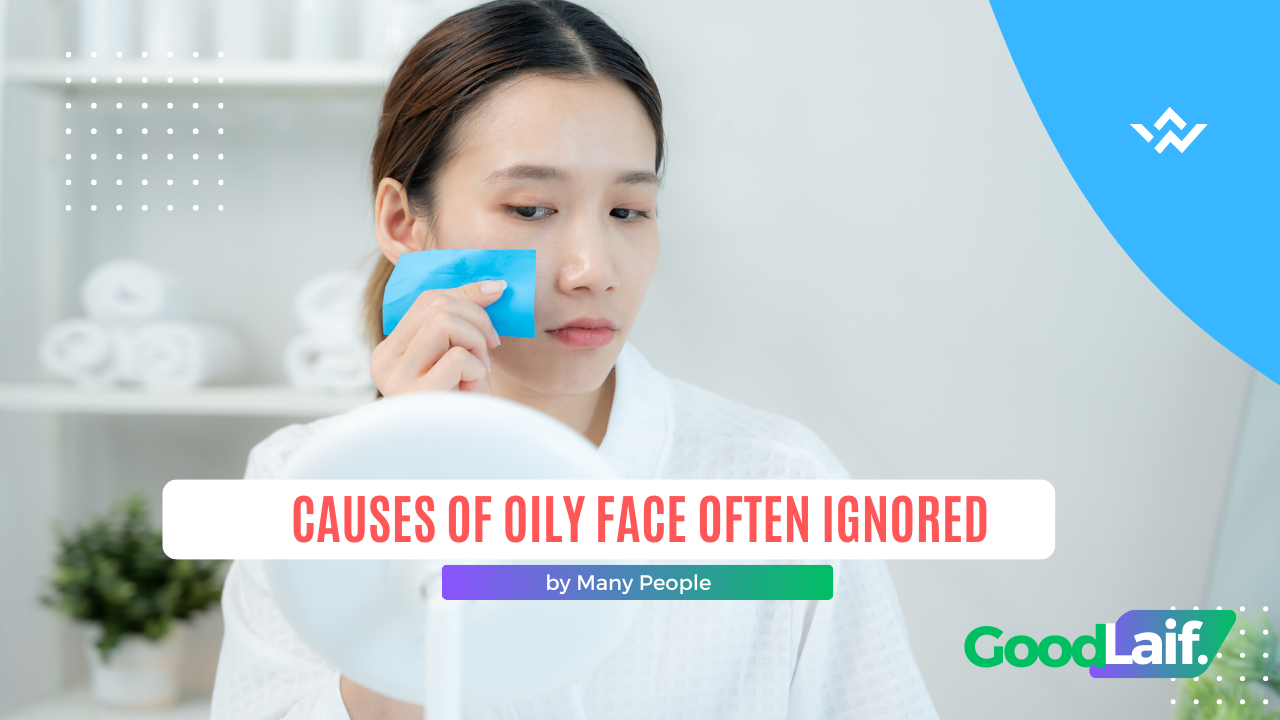
Have you ever noticed your face looking dull only a few hours after washing it? Even without heavy activities, shine on the forehead and nose appears much earlier than expected. This condition often reduces confidence, especially when meeting many people. Interestingly, many assume this problem is caused only by hot weather, whereas the reality is far more complex. To understand it properly, it is important to recognize the various causes of oily face that are often unnoticed.
1. Excess Sebum Production

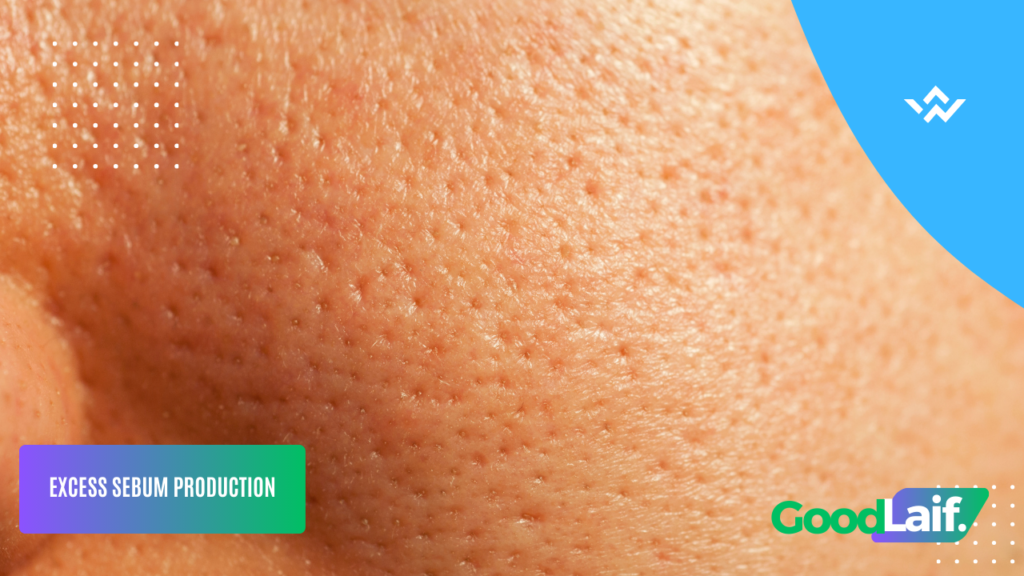
The main cause of oily face is excessive sebum production. Sebum is a natural oil produced by sebaceous glands to maintain skin moisture. In normal amounts, it protects the skin. However, when produced in excess, oil builds up on the skin’s surface and creates an unwanted shine. This condition commonly appears in the T-zone area, such as the forehead, nose, and chin.
2. Genetic Factors
Genetics also play an important role. If your parents have oily skin, there is a high chance you will experience the same condition. This explains why some people develop oily skin from a young age, even though they regularly use skincare products.
3. Hormonal Changes
Hormonal imbalance is another common cause of oily face. It often occurs during puberty, menstruation, pregnancy, or periods of high stress. Androgen hormones stimulate oil glands to become more active, making the skin oilier and more prone to acne.
4. Incorrect Facial Care
Many people unknowingly worsen their skin condition due to improper skincare routines. Using harsh facial cleansers can strip away the skin’s natural moisture. As a response, the skin produces even more oil to protect itself, causing the face to become increasingly oily.
5. Washing the Face Too Often
Although cleansing is essential, washing the face too frequently can become a cause of oily skin. Washing more than three times a day can damage the skin’s protective barrier. As a result, the skin overcompensates by producing excess oil.
6. Unbalanced Diet
Diet has a strong influence on skin condition. Consuming foods high in saturated fat, fried foods, and excessive sugar can trigger increased oil production. In addition, lack of water intake causes dehydration, prompting the skin to produce more oil to maintain moisture.
7. Stress and Lack of Sleep
Chronic stress is often underestimated, yet it is a powerful cause of oily face. Stress increases cortisol levels, which stimulate oil production. When combined with poor sleep patterns, skin balance becomes even more disrupted.
8. Environmental and Weather Factors
Hot and humid environments also contribute significantly. Such conditions encourage oil glands to work harder to prevent moisture loss. This is why the face tends to feel oilier during outdoor activities or in tropical climates.
Read Also : How to Reapply Sunscreen for Maximum Protection
Conclusion
Basically, the causes of oily face do not come from a single factor, but from a combination of internal and external influences. Genetics, hormones, lifestyle habits, environment, and improper skincare routines all play interconnected roles. By understanding these causes clearly, you can choose more suitable treatments and prevent further skin problems such as acne or irritation. Oily skin is not an enemy—as long as it is cared for correctly and consistently.