

Have you ever experienced your eye suddenly twitching for no apparent reason? This condition often feels uncomfortable and raises questions about what the real causes of eye twitching are. Although it’s usually harmless, eye twitching can be a sign that your body needs attention — especially when it happens frequently or lasts a long time.
What Is Eye Twitching?
Eye twitching, medically known as myokymia, is a condition where the muscles around the eyelid move involuntarily. This twitching usually occurs in the lower eyelid, but it can also affect the upper eyelid. It often lasts for a few seconds or minutes and typically goes away on its own. However, if it persists, it may indicate certain triggers that should not be ignored.
Common Causes of Eye Twitching
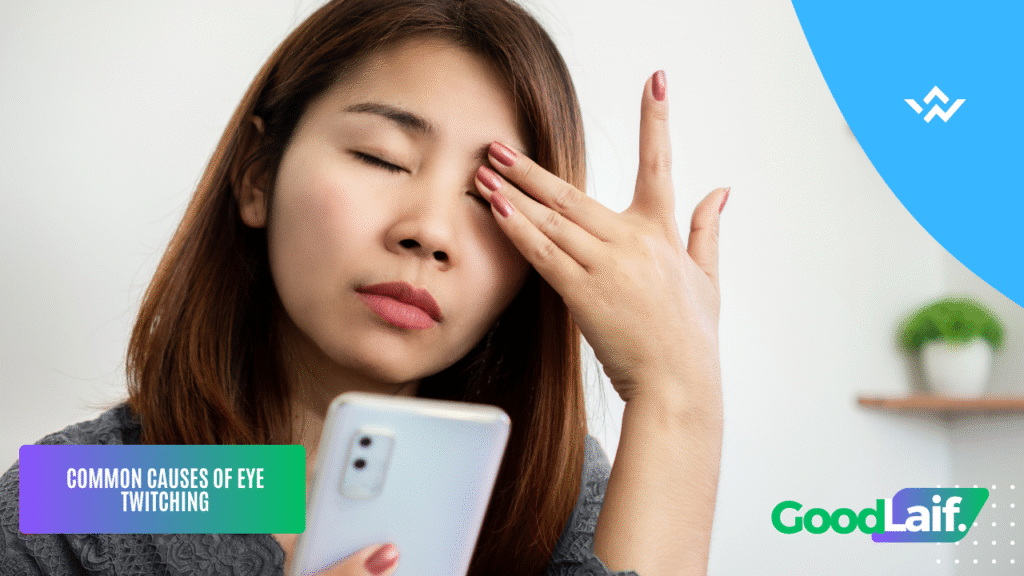
There are several factors that can cause eye twitching, ranging from daily habits to underlying health conditions. Here are some of the most common ones:
- Fatigue and Lack of Sleep
Not getting enough rest can cause tension in the nerves and muscles around the eyes, leading to twitching sensations without you realizing it. Getting 7–8 hours of quality sleep each night helps calm your nervous system and prevent twitching. - Stress and Emotional Pressure
Stress affects many functions of the body, including the nervous system. When stress levels are high, facial muscles can react with involuntary movements such as eye twitching. Relaxation techniques like meditation, yoga, or deep breathing can help ease this condition. - Excessive Caffeine Consumption
Drinks such as coffee, tea, and energy drinks contain caffeine, which stimulates the nervous system. Too much caffeine can make the muscles more sensitive and lead to eye twitching episodes. - Eye Strain
Staring at computer or phone screens for long periods can strain the eye muscles, often resulting in mild twitching. Follow the “20-20-20” rule — take a 20-second break every 20 minutes to look at something 20 feet (about 6 meters) away. - Nutrient Deficiency
A lack of magnesium, potassium, or vitamin B can disrupt nerve and muscle function. Maintaining a balanced diet rich in these nutrients can help prevent recurring eye twitching. - Allergies and Eye Irritation
Allergies can make the eyes itchy, watery, and prone to rubbing. Rubbing the eyes too often releases excess histamine and irritates the eyelid muscles, which can trigger twitching.
When Should You Be Concerned?
Most eye twitching cases are mild and disappear on their own. However, seek medical attention if:
- The twitching lasts more than a week.
- There’s swelling or redness around the eye.
- The twitching spreads to other parts of the face.
- Vision becomes blurry or heavy.
Persistent twitching might be linked to nerve disorders such as blepharospasm or hemifacial spasm, so consulting an eye specialist is recommended.
How to Relieve and Prevent Eye Twitching

You can reduce and prevent eye twitching through several simple steps:
- Get enough sleep each night.
- Limit caffeine and alcohol intake.
- Manage stress with relaxation techniques.
- Apply a warm compress to relax eye muscles.
- Eat foods rich in magnesium and vitamin B.
- Give your eyes regular breaks when using digital devices.
Read Also : How to Naturally Preserve Eye Health
Conclusion
In general, the causes of eye twitching are closely related to one’s lifestyle and physical condition. While it might seem minor, frequent twitching can be your body’s way of saying it needs rest or better care. By maintaining a healthy lifestyle, managing stress, and taking care of your eyes, you can naturally prevent and minimize eye twitching.








+ There are no comments
Add yours