


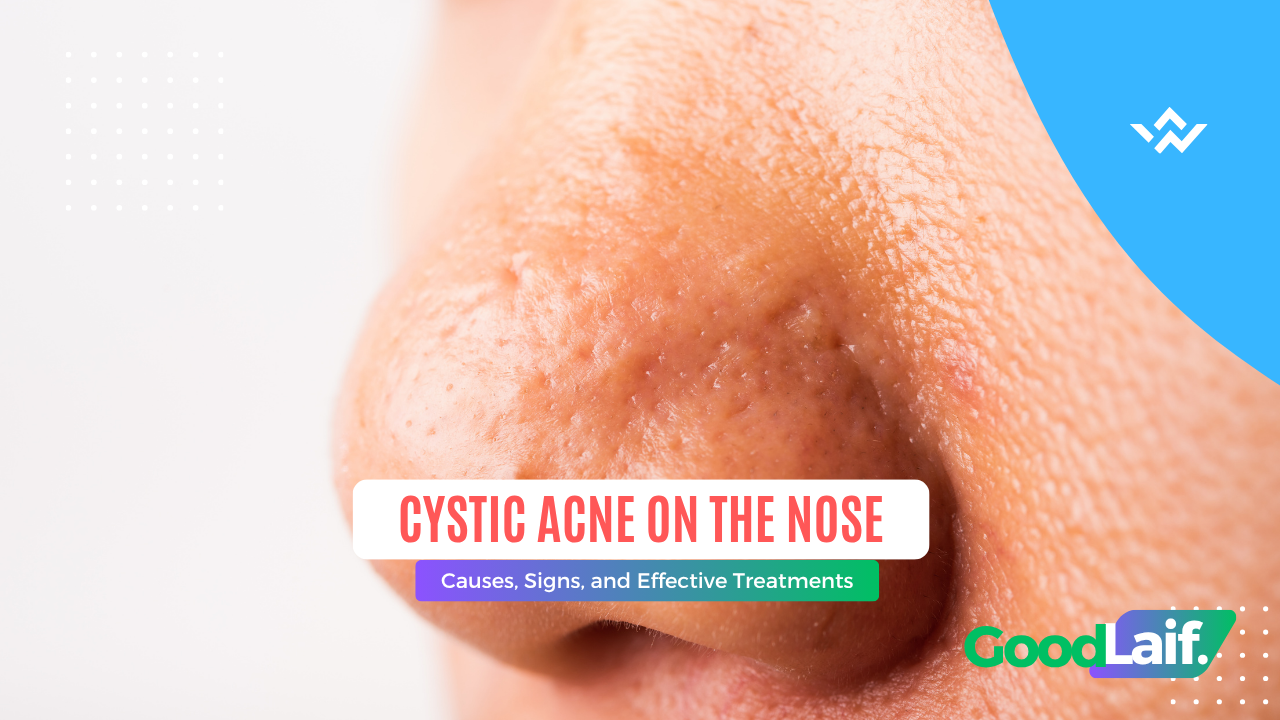
Have you ever felt a large, painful bump appear on your nose that hurts when touched? At first, you might think it’s just a regular pimple. However, as time goes by, the pain worsens, and the bump keeps growing. As a result, discomfort becomes inevitable. Well, that could be cystic acne on the nose — the most stubborn and painful type of acne.
Cystic acne doesn’t just affect your appearance; it can also drastically reduce your confidence, especially since it appears in such a noticeable area of your face. Many people try to pop it to make it disappear faster, but this usually ends in irritation and scars that are difficult to remove. So, what exactly causes cystic acne on the nose, and how can you treat it without making things worse? Let’s find out below!
What Is Cystic Acne?
Cystic acne is a severe type of acne that forms due to inflammation deep within the skin. Unlike regular pimples, cystic acne develops from a buildup of oil, dead skin cells, and bacteria trapped in pores. Because it lies deep under the skin’s surface, cystic acne feels larger, more painful, and takes longer to heal.
The nose area is particularly prone to this condition because it has many active oil glands. When the pores become clogged, excess oil mixes with bacteria, causing severe inflammation that turns into cystic acne.
Common Triggers Behind This Condition


1. Excess Oil Production
Sebaceous glands around the nose tend to be more active than other parts of the face. When excess oil mixes with dirt and dead skin cells, it can clog pores and trigger cystic acne.
2. P. acnes Bacteria
This naturally occurring skin bacteria can multiply excessively in clogged pores, leading to deep inflammation and cystic acne formation.
3. Hormonal Changes
An increase in androgen hormones—especially during puberty or before menstruation—can stimulate excess oil production, which often leads to breakouts.
4. Stress and Lack of Sleep
These two factors are often underestimated but play a significant role. Stress and poor sleep can disrupt hormones and weaken the skin’s defense against bacteria, worsening cystic acne.
5. Inappropriate Skincare Products
Some skincare or cosmetic products contain comedogenic ingredients that clog pores. If you frequently use such products around your nose, your risk of cystic acne increases.
Recognizing the Symptoms
Cystic acne is easy to identify because it has several distinct signs:
- Large, hard bumps beneath the skin that are painful to the touch.
- No visible “whitehead” like regular pimples.
- Redness and swelling around the affected area.
- Pain that worsens when touched or when facial muscles move.
- Can leave dark marks or scars if not treated properly.
Effective Ways to Treat It
1. Apply Warm Compresses
A warm compress helps open pores and reduce inflammation. Do this for 10–15 minutes daily to help the acne heal faster.
2. Use Anti-Inflammatory Products
Look for skincare containing benzoyl peroxide, salicylic acid, or tea tree oil. These ingredients help reduce bacteria and speed up healing.
3. Avoid Popping the Acne
As tempting as it may be, never try to pop cystic acne. Doing so can worsen inflammation and lead to permanent scarring.
4. Improve Your Lifestyle
Reduce consumption of oily and sugary foods as well as caffeine. Instead, drink more water, eat vegetables and fruits, and get enough sleep to help your skin repair naturally.
5. Consult a Dermatologist
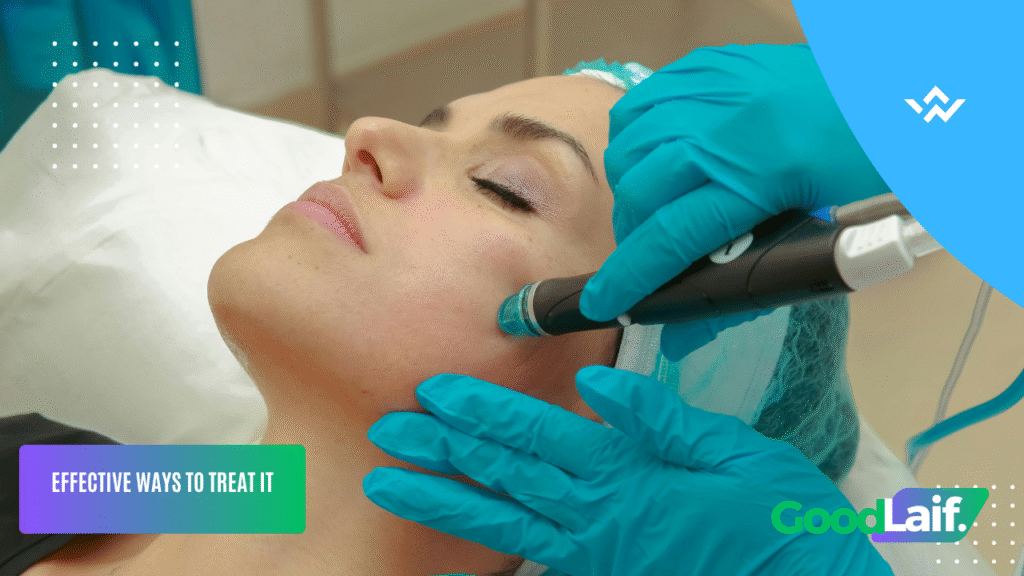
If your cystic acne doesn’t improve, consult a dermatologist. They may prescribe oral antibiotics, topical retinoids, or special treatments depending on the severity of your condition.
Read Also : Pustular Acne: Causes, Symptoms, and How to Treat it
Conclusion
Cystic acne on the nose can be painful and frustrating, but it’s not impossible to manage. With proper and consistent care, you can prevent it from returning. Start with simple steps—keep your face clean, use the right products, and maintain a healthy lifestyle. Remember, the key to treating acne is not just curing it but preventing it so your skin stays clear and healthy.