


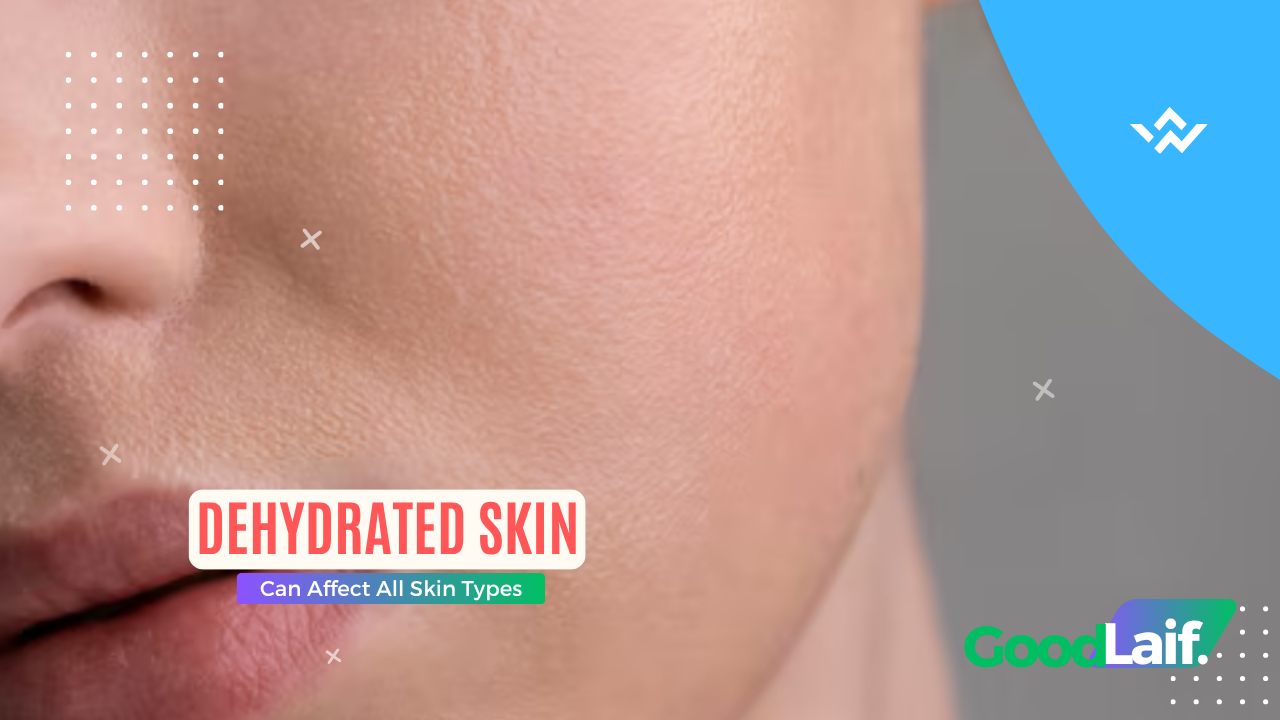
Many people assume that dehydrated skin only happens to those with dry skin. In reality, this condition can affect anyone, including people with oily and combination skin. Many individuals notice that their face still looks oily while feeling tight, dull, or easily irritated without understanding the real cause. Skin that lacks water is often mistaken for naturally dry skin. As a result, people may use the wrong skincare products, which can worsen the condition. Understanding the signs and causes of dehydrated skin is important to maintain healthy skin.
What Is Dehydrated Skin?
Simply put, dehydrated skin is a condition where the skin lacks water content. Unlike dry skin, which is related to a lack of natural oil production, this condition is connected to the hydration level within the skin layers.
Skin that loses moisture often feels uncomfortable, appears dull, and becomes more sensitive to environmental factors or certain skincare products. Even people with oily skin can experience dehydrated skin because excess oil does not always mean the skin is properly hydrated.
Why Can All Skin Types Experience It?
Many everyday factors can cause the skin to lose hydration. Spending too much time in air-conditioned rooms, not drinking enough water, staying up late, and using harsh skincare products can all trigger this condition.
People with oily skin often make the mistake of washing their face too frequently or using products that leave the skin feeling overly tight and squeaky clean. However, these habits can damage the skin barrier and make dehydrated skin even worse.
Meanwhile, for combination and sensitive skin types, weather changes and stress can also worsen the condition. This is why hydration issues are not limited to a specific skin type.
Signs That Your Skin Is Losing Hydration
There are several common signs that appear when the skin starts lacking water, including:
- Skin feels tight after washing the face
- Complexion looks dull and tired
- Makeup becomes patchy or cracks easily
- Certain areas of the skin feel rough
- Excess oil production appears more noticeable
- Skin stings when applying certain skincare products
Many people do not realize that excessive oil production can actually be a sign of dehydrated skin. The skin tries to retain moisture by producing more sebum.
The Difference Between Dry Skin and Dehydrated Skin
Dry skin is a skin type that naturally produces less oil. On the other hand, dehydrated skin is a temporary condition caused by a lack of water in the skin. Someone can have oily skin while still experiencing dehydrated skin. This is why skincare products should be chosen based on the skin’s condition, not just the skin type.
Common Causes That Often Go Unnoticed

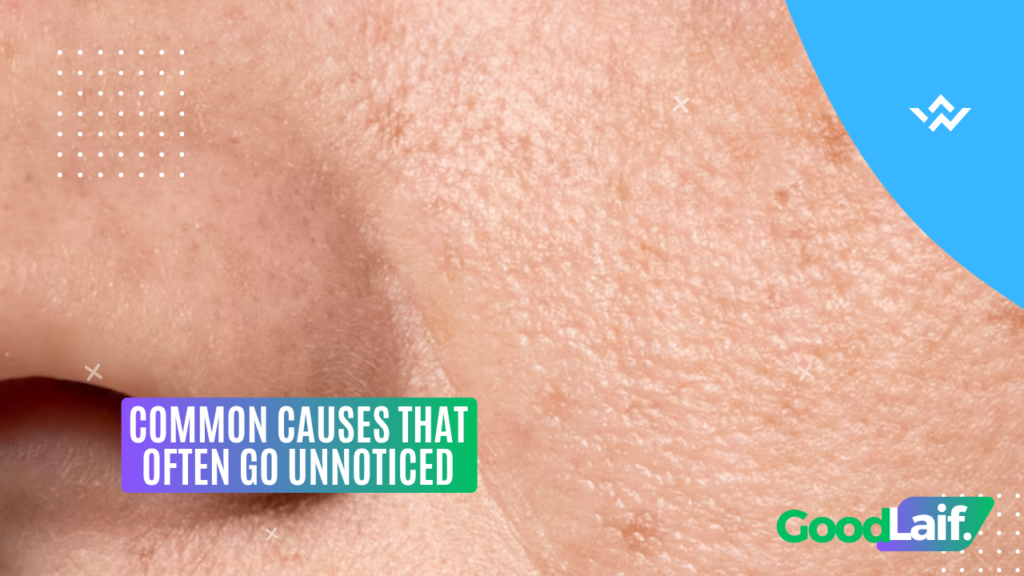
Several habits may unknowingly cause the skin to lose hydration more quickly, such as:
1. Over-Exfoliating
Using exfoliating toners or scrubs too often can damage the skin’s protective barrier.
2. Using Harsh Facial Cleansers
Certain cleansers can leave the skin feeling overly stripped and remove its natural moisture.
3. Lack of Sleep
Insufficient rest affects skin regeneration, making the face appear dull and tired.
4. Not Drinking Enough Water
Fluid intake still plays an important role in maintaining overall skin condition.
5. Exposure to Air Conditioning and Hot Weather
Dry environments can increase water loss from the skin’s surface.
How to Treat Dehydrated Skin
Proper skincare can help restore hydration gradually. Here are some steps that may help:
- Use a gentle facial cleanser
- Choose moisturizers containing humectants such as hyaluronic acid or glycerin
- Avoid over-exfoliating
- Wear sunscreen every day
- Drink more water
- Get enough sleep and manage stress
In addition, focusing on repairing the skin barrier is important so the skin can retain moisture more effectively.
The Importance of Maintaining the Skin Barrier
The skin barrier plays a major role in keeping moisture inside the skin. If this protective layer becomes damaged, the skin can become more prone to irritation, redness, and dehydration. Therefore, skincare choices should not only focus on instant results but also prioritize long-term skin barrier health.
Conclusion
Skin dehydration can affect everyone, not only people with dry skin. Oily, combination, and sensitive skin types are also at risk due to various daily habits and environmental factors. Understanding the signs, causes, and treatments of dehydrated skin can help maintain healthier skin overall. With proper skincare and better daily habits, the skin can feel more comfortable, healthier, and look fresher every day.Top of FormBottom of Form.
READ MORE ARTICLE: Skincare Ingredients for Bumpy Skin, Are They Really Effective?