

Have you ever felt confused when choosing a sunscreen product on the store shelf? Writings on the packaging such as SPF, PA+++, UVA, and UVB often make us wonder, what do they really mean? More importantly, what is the difference of sunscreen available on the market and how do we choose the one most suitable for our skin needs? These questions often arise because sunscreen is not just a cosmetic product, but also the main protection against long-term skin damage.
Many people use sun protection without truly understanding its function. In fact, knowing the difference of sunscreen can make us wiser in protecting the skin, especially from the risk of premature aging, dark spots, and even skin cancer. By understanding these variations, you can make a better decision when choosing the right one.
What Is Sunscreen?
Sunscreen is a skincare product designed to protect the skin from the sun’s rays. Sunlight contains two harmful types of radiation: UVA and UVB. UVA penetrates deeper into the skin and causes premature aging, while UVB causes sunburn. This protective product helps the skin fight the harmful effects of both radiations.
However, not all sunscreens are the same. They differ in active ingredients, how they work, and their texture.
Difference Between Physical and Chemical Sunscreen
One of the most common differences of sunscreen lies in its type: physical (mineral) sunscreen and chemical sunscreen.
Physical Sunscreen (Mineral)
This product works thanks to zinc oxide and titanium dioxide. Mineral sunscreen forms a layer on the skin’s surface that reflects sunlight. It is usually suitable for sensitive skin as it rarely causes irritation. The downside is its thicker texture, which may leave a white cast on the skin.
Chemical Sunscreen
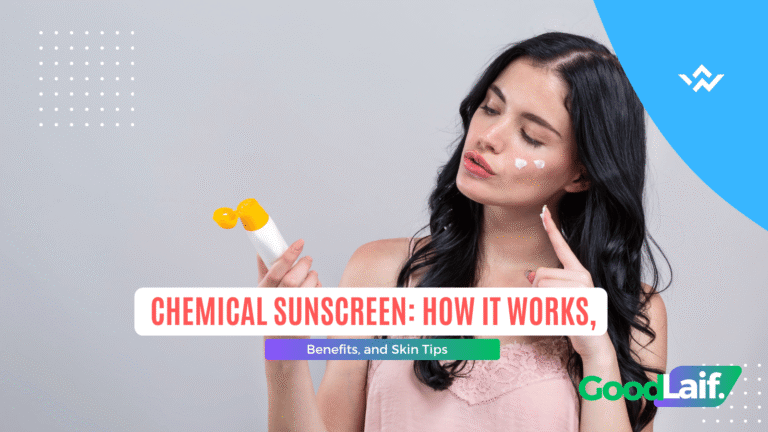
Contains ingredients such as avobenzone, oxybenzone, or octocrylene. It works by absorbing UV rays and converting them into heat that is released from the skin. This type feels lighter, absorbs easily, and is more comfortable for daily use. However, some chemical ingredients can cause irritation in sensitive skin.
Understanding the difference of physical and chemical sunscreens will help you choose based on your skin type and comfort.
Difference Between SPF and PA

Besides the type, the difference of sunscreen is also seen in the SPF and PA labels.
The SPF (Sun Protection Factor) number shows how well the product protects the skin from UVB rays. The higher the SPF, the longer your skin is protected from sunburn. For example, SPF 30 protects about 97% of UVB rays, while SPF 50 protects up to 98%.
PA (Protection Grade of UVA) indicates the level of protection against UVA rays. PA+ means low protection, PA++ medium, PA+++ high, and PA++++ very high.
The combination of SPF and PA helps determine how effective a sunscreen is in protecting the skin as a whole.
Difference in Texture and Formula

Sun protection products come in many forms: lotion, gel, spray, and stick. The texture influences comfort and usage:
- Lotion or cream is better for dry skin since it moisturizes.
- Gel or water-based is more suitable for oily or acne-prone skin as it feels lighter.
- Spray and stick are more practical for reapplication, especially during outdoor activities.
Choosing the right texture will make you more consistent in applying sunscreen every day.
Read Also : Causes of Dry Skin That Are Often Overlooked
Conclusion
The difference of sunscreen is not just about the brand, but also the type, ingredients, function, protection level, and texture. Physical sunscreens are suitable for sensitive skin, while chemical ones are more practical for daily use. SPF and PA are essential indicators when choosing a product for your activity needs.
By understanding the variety of sun protection, you will no longer be confused in front of the store shelf. Most importantly, use sunscreen consistently every day, because protecting your skin from the sun is a long-term investment for both your health and beauty.




+ There are no comments
Add yours