



Does your ear feel blocked, or has your hearing suddenly become muffled? Many people immediately reach for a cotton swab. However, that habit can actually push earwax deeper into the ear canal. That’s why it’s important to understand ear irrigation, a medical procedure commonly used to remove stubborn earwax safely.
This article is for educational purposes only and should not replace medical advice, diagnosis, or treatment from a doctor or qualified healthcare professional. If your ear symptoms do not improve or become worse, seek medical attention promptly.
It’s also worth knowing that not everyone needs ear irrigation. The procedure is usually recommended only when earwax buildup causes symptoms or blocks the ear canal.
What Is Ear Irrigation?
Ear irrigation is a procedure that cleans the ear canal using warm water or a sterile solution delivered with controlled pressure. Its purpose is to remove hardened earwax that has built up inside the ear canal.
Although the procedure may seem simple, it should be performed by a healthcare professional. Using too much pressure or the wrong technique may injure the ear canal or even damage the eardrum.
When Is Ear Irrigation Needed?
Earwax is actually beneficial because it helps protect the ear canal from dust, bacteria, and other foreign particles. Therefore, earwax doesn’t always need to be removed.
A doctor may recommend ear irrigation if you experience:
- A blocked or full sensation in the ear.
- Reduced hearing caused by earwax buildup.
- Ringing in the ears related to impacted earwax.
- Earwax blockage found during an ear examination.
If your symptoms are caused by another condition, your doctor may recommend a different treatment instead.
How Is Ear Irrigation Performed?
Before starting the procedure, a healthcare professional will examine your ear using a special instrument.
If earwax blockage is confirmed, warm water or a sterile solution is gently flushed into the ear canal. The softened earwax is then washed out along with the fluid. Afterward, the ear is checked again to make sure the blockage has been completely removed.
The procedure usually takes only a few minutes, and most people can return to their normal activities shortly afterward.
Who Should Avoid Ear Irrigation?
Although ear irrigation is generally safe, it isn’t suitable for everyone.
The procedure is usually avoided if you have:
- A perforated eardrum.
- An active ear infection.
- A history of certain ear surgeries.
- Severe ear pain with an unknown cause.
For this reason, you shouldn’t try to perform ear irrigation at home without first consulting a healthcare professional. Incorrect techniques may increase the risk of ear injury or eardrum damage.
How to Keep Your Ears Clean

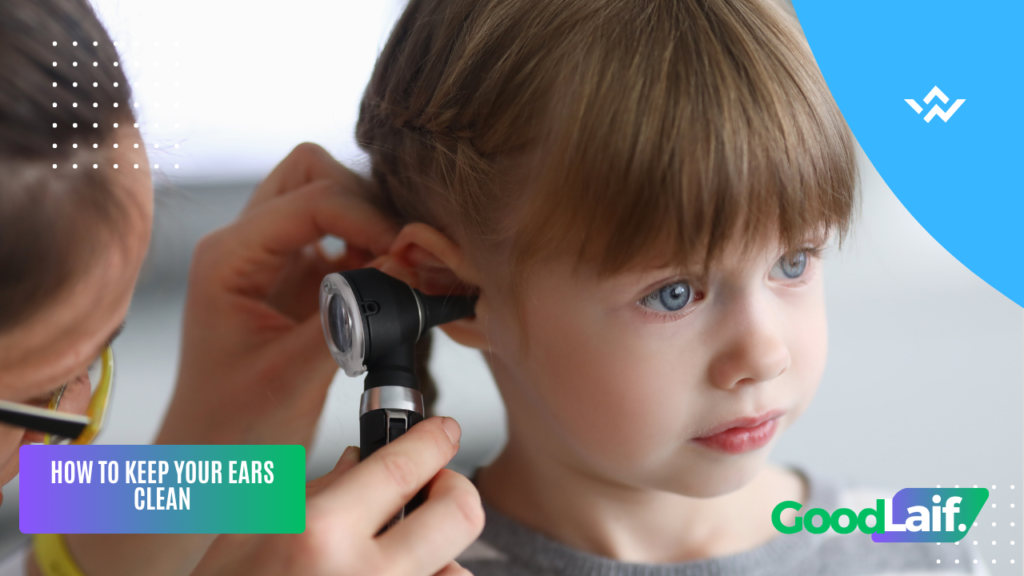
Avoid Inserting Cotton Swabs Deep into the Ear
Cotton swabs often push earwax deeper instead of removing it.
Let Your Ears Clean Themselves
Under normal conditions, the ears naturally move excess earwax out of the ear canal without assistance.
Get Your Ears Checked If You Have Symptoms
If your ears feel blocked, painful, or your hearing decreases, don’t try to diagnose the problem yourself. A medical examination can determine whether ear irrigation is actually necessary.
When Should You See a Doctor?
Seek medical care immediately if you experience:
- Sudden hearing loss.
- Severe or worsening ear pain.
- Fluid or blood coming from the ear.
- Fever accompanied by ear pain.
- Symptoms that don’t improve after several days.
Early evaluation helps identify the cause of your symptoms and ensures you receive the right treatment.
Conclusion
Ear irrigation is a medical procedure that can safely remove earwax buildup when it causes blockage or discomfort. However, not everyone needs this treatment, and it should only be performed after a proper examination by a healthcare professional.
Instead of trying risky home methods, consult an ear specialist if you experience persistent ear blockage, pain, or hearing problems. Early treatment can help maintain healthy ears and reduce the risk of complications