


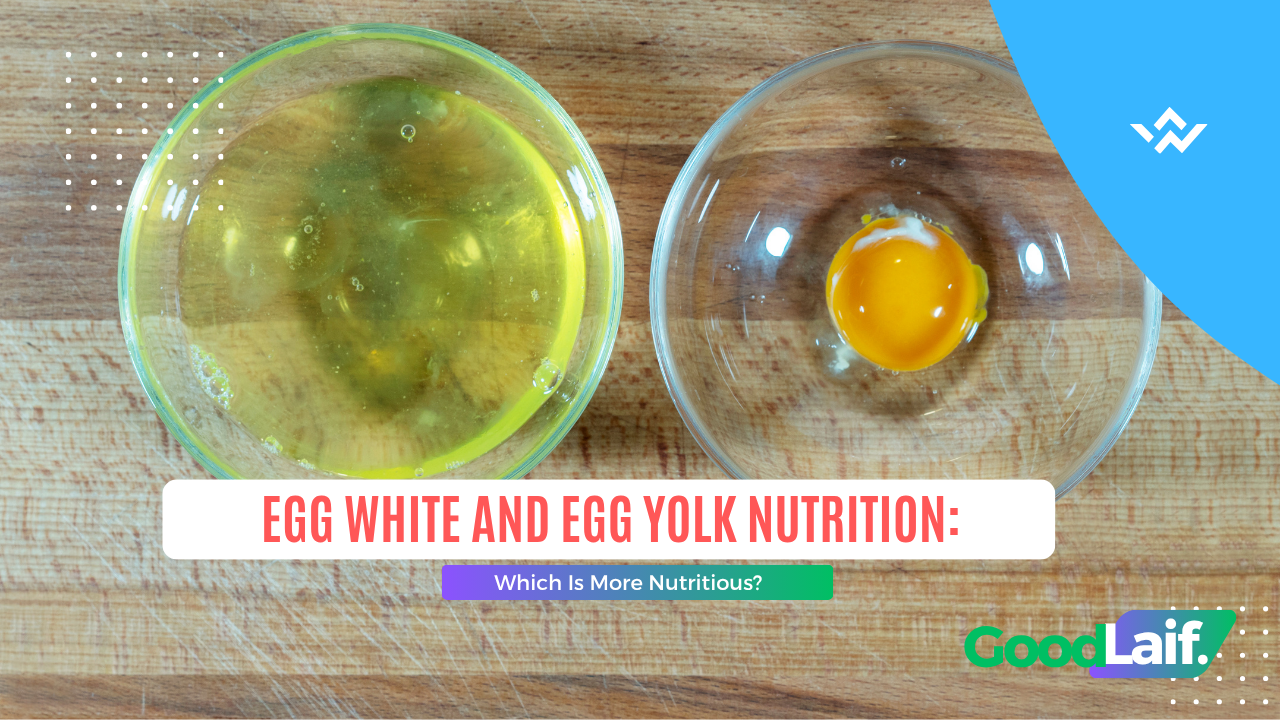
Do you often throw away the egg yolk because you’re worried about cholesterol? In fact, egg white and egg yolk nutrition offer different health benefits. Egg whites are known for being high in protein and low in calories, while egg yolks contain most of the vitamins, minerals, and antioxidants found in an egg. So, is egg white really healthier than egg yolk?
The answer isn’t that simple. Both parts of the egg have unique nutritional value and complement each other, making whole eggs a healthy choice when eaten in moderation.
What Nutrients Are Found in Egg Whites?
Egg whites are an excellent source of high-quality protein with very few calories. According to USDA FoodData Central, one large egg white contains approximately 17 calories, 3.6 grams of protein, almost 0 grams of fat, and virtually no cholesterol.
Key nutrients in egg whites include:
- High-quality protein that helps build and repair body tissues.
- Riboflavin (vitamin B2), which supports energy production.
- Selenium, an antioxidant that helps protect cells from damage.
- A high water content, making egg whites naturally low in calories.
Because they are low in fat and rich in protein, egg whites are a popular choice for people trying to lose weight or increase muscle mass.
What Nutrients Are Found in Egg Yolks?
While egg whites are known for protein, egg yolks are considered the most nutrient-rich part of the egg. One large egg yolk contains about 55 calories, 2.7 grams of protein, 4.5 grams of fat, and approximately 186 mg of cholesterol.
Egg yolks are also rich in:
- Vitamin A for healthy vision.
- Vitamin D for strong bones.
- Vitamin B12 for red blood cell production.
- Choline, which supports brain and nervous system function.
- Lutein and zeaxanthin, antioxidants that help protect eye health.
Although egg yolks contain cholesterol, they should not automatically be avoided. According to the Harvard T.H. Chan School of Public Health, dietary cholesterol has little effect on blood cholesterol levels for most healthy people compared with overall eating habits.
Which Is Better: Egg White or Egg Yolk?
Neither is objectively better because each provides different nutritional benefits.
Egg whites are ideal for increasing protein intake while keeping calories low. Egg yolks, on the other hand, contain most of the vitamins, minerals, healthy fats, and antioxidants found in eggs.
For people without specific medical conditions, eating the whole egg is usually the best way to enjoy its complete nutritional profile.
Common Myths and Facts About Eggs
Many misconceptions about eggs continue to circulate. Here are a few of the most common ones.
Myth: Egg yolks always raise cholesterol.
Fact: For most healthy people, dietary cholesterol has only a small effect on blood cholesterol. Your overall diet plays a much bigger role.
Myth: Raw egg whites provide more protein.
Fact: Cooked eggs are easier for the body to digest and absorb. Raw eggs also carry a risk of Salmonella contamination.
Myth: Free-range or village chicken eggs are always more nutritious.
Fact: Their nutritional value is very similar to that of regular chicken eggs. Differences are mostly influenced by the hens’ diet rather than the type of chicken.
What Is the Healthiest Way to Eat Eggs?

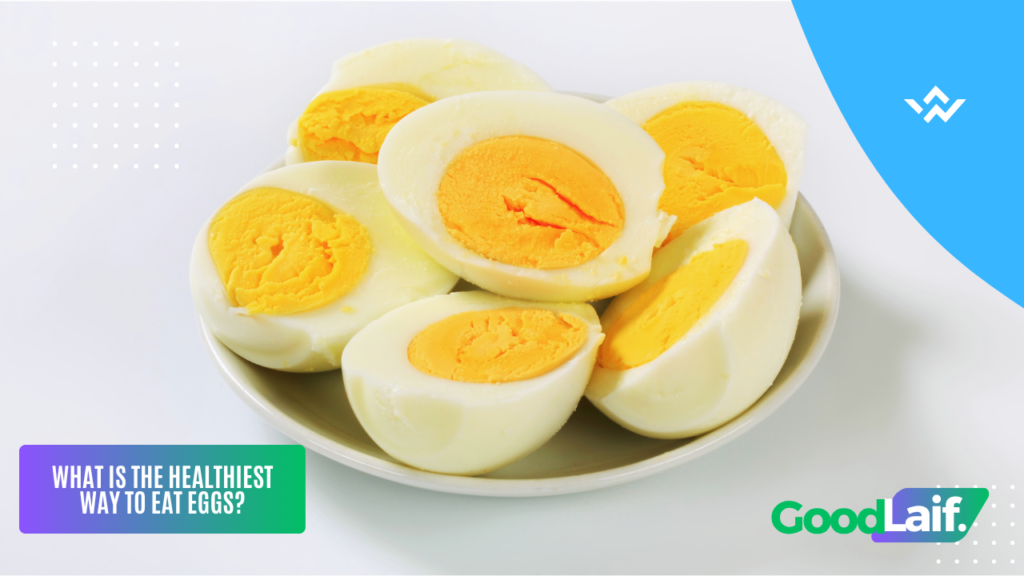
Choosing the right cooking method helps preserve the nutritional value of eggs.
Boiled, steamed, or poached eggs are healthier options than deep-fried eggs. Pair them with vegetables, fruit, and whole grains to create a balanced meal.
- Egg whites are ideal for increasing protein intake.
- Egg yolks provide choline, an essential nutrient during pregnancy.
- Eggs are also an excellent protein source for older adults and physically active individuals.
According to the Ministry of Health of the Republic of Indonesia (Kemenkes RI), eating a varied and balanced diet is the key to maintaining good health.
Disclaimer: This article is for educational purposes only and should not replace professional medical advice, diagnosis, or treatment.
Read Also : Eating Eggs Every Day: Is It Really Safe for Your Health?
Conclusion
Egg white and egg yolk nutrition each provide important health benefits. Egg whites are an excellent source of low-calorie protein, while egg yolks are packed with vitamins, minerals, choline, and antioxidants.
There is no need to avoid egg yolks unless advised by your healthcare provider. When eaten in moderation and prepared using healthy cooking methods, whole eggs can be a valuable part of a balanced diet and support overall health.