


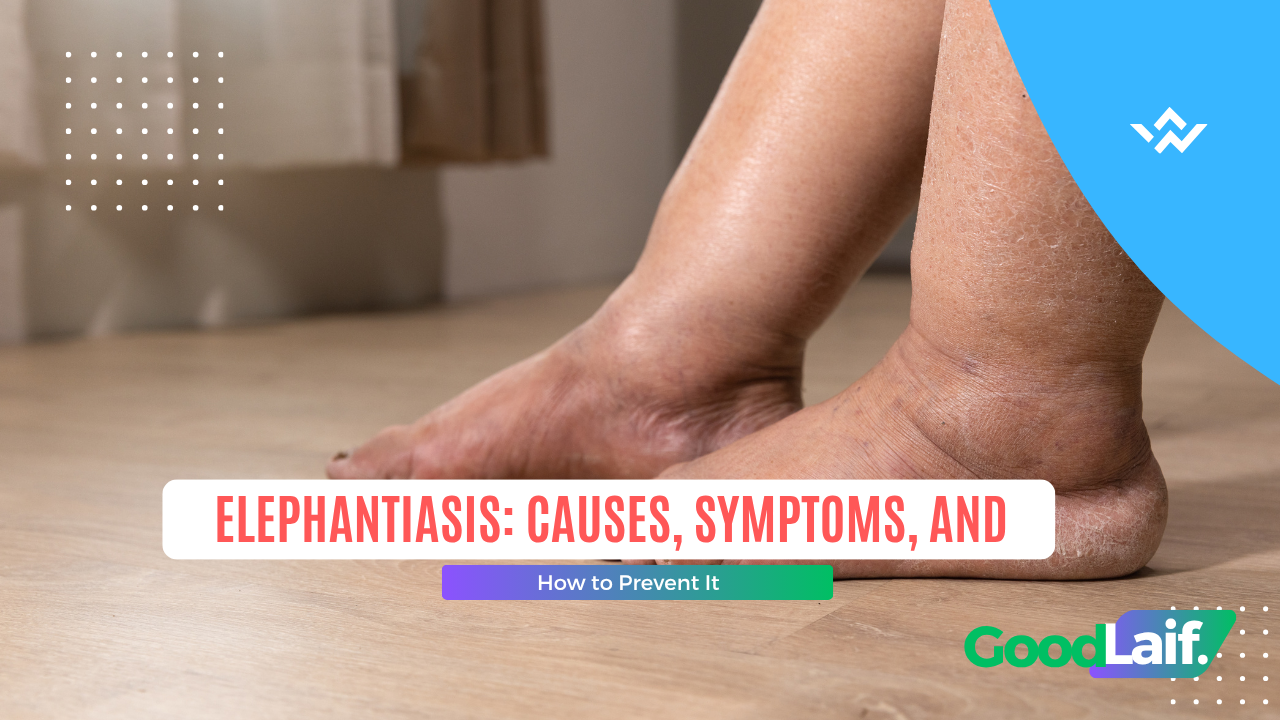
Have you ever seen someone with a leg that is much larger than normal due to severe swelling? This condition is known as elephantiasis, or lymphatic filariasis. It doesn’t develop overnight, but it shouldn’t be ignored because it can affect daily activities and quality of life if left untreated.
This article is for educational purposes only and should not replace medical advice, diagnosis, or treatment from a doctor or qualified healthcare professional. If you experience symptoms that may indicate elephantiasis, seek medical attention as soon as possible.
Seeing someone with severe leg swelling can be alarming. That’s why it’s important to understand what causes elephantiasis, recognize its symptoms, and learn how to reduce the risk of infection.
What Is Elephantiasis?
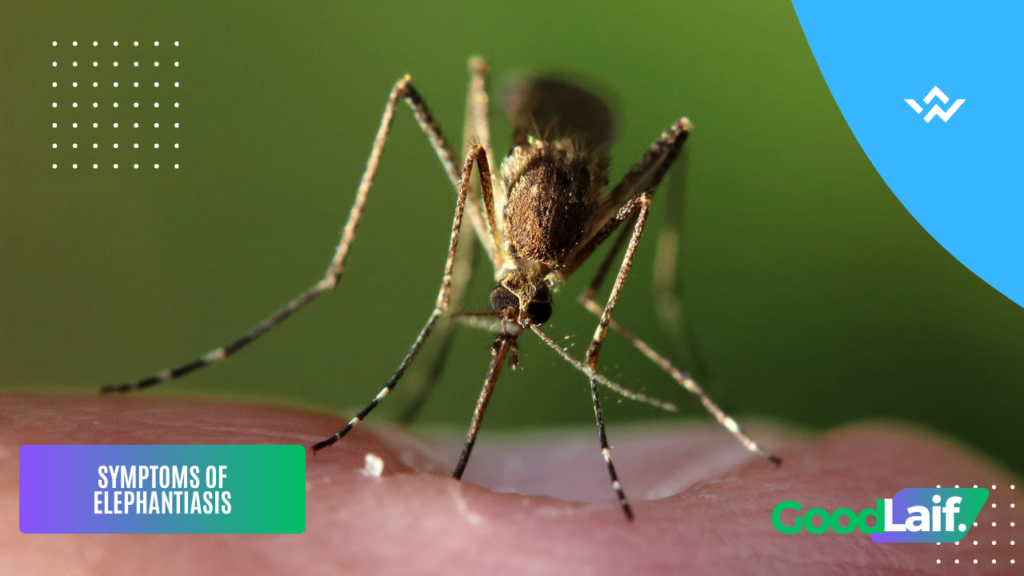
Elephantiasis, also called lymphatic filariasis, is a disease that affects the lymphatic system. It is caused by parasitic filarial worms that are transmitted through the bite of infected mosquitoes.
Once inside the body, the worms can damage the lymphatic vessels. As a result, lymph fluid cannot flow properly, causing swelling that most commonly affects the legs. However, the arms or other parts of the body can also be affected.
What Causes Elephantiasis?
The main cause of elephantiasis is infection with filarial worms transmitted by infected mosquitoes. Not every mosquito bite leads to the disease, but the risk is higher in areas where lymphatic filariasis is still common.
Environmental conditions also play a role. Standing water, poor sanitation, and large mosquito populations increase the chances of disease transmission. That’s why keeping the environment clean is an important part of prevention.
Symptoms of Elephantiasis

Symptoms often develop gradually, so many people don’t notice them in the early stages.
Common symptoms include:
- Swelling in the legs, arms, or other body parts.
- Thickened or hardened skin.
- A feeling of heaviness or discomfort in the swollen area.
- Recurring fever caused by inflammation of the lymphatic system.
- Difficulty performing daily activities because of the swelling.
Without proper treatment, the swelling can become permanent.
How to Prevent Elephantiasis
Fortunately, there are several simple ways to reduce the risk of elephantiasis.
Avoid Mosquito Bites
Use mosquito repellent, sleep under mosquito nets, and wear long-sleeved clothing, especially at night when mosquitoes are most active.
Keep Your Environment Clean
Remove standing water around your home to reduce mosquito breeding sites.
Join Prevention Programs
In some regions, public health authorities provide preventive medication to reduce the spread of lymphatic filariasis. If such a program is available in your area, follow the recommendations from healthcare workers.
Practice Good Hygiene
Maintaining personal and environmental hygiene not only helps prevent elephantiasis but also reduces the risk of other mosquito-borne diseases.
When Should You See a Doctor?
Don’t delay medical care if you experience:
- Swelling in your legs or arms that doesn’t improve.
- Recurrent fever along with swelling.
- Skin that becomes thicker or harder.
- Swelling that interferes with daily activities.
A doctor can perform the necessary tests to identify the cause and recommend the appropriate treatment.
Read Also : Foot Pain Medicine at Pharmacies and How to Use It Safely
Conclusion
Elephantiasis is a disease caused by filarial worms transmitted through infected mosquito bites. Its symptoms usually develop slowly, but without treatment, the swelling can become permanent.
That’s why prevention is so important. Protect yourself from mosquito bites, keep your surroundings clean, and participate in prevention programs if they are available in your community. If you notice unusual swelling or other symptoms, don’t wait. Early medical treatment can help prevent more serious complications and improve your quality of life.