



Have you ever felt out of breath after climbing a few stairs, experienced an unusually fast heartbeat, or felt tired even without heavy activity? Many people ignore these signs, assuming they are normal. In fact, they can be early warnings that heart health is declining. The good news is that there is a simple habit that can make a significant difference: exercise for heart health.
The heart acts as the center of life, constantly circulating blood and oxygen to every part of the body without rest. When a sedentary lifestyle, poor eating habits, and high stress levels become routine, the heart has to work harder than it should. This is why maintaining heart health from an early stage is essential, and regular physical activity is one of the most effective ways to do it.
Why Is Exercise Important for Heart Health?

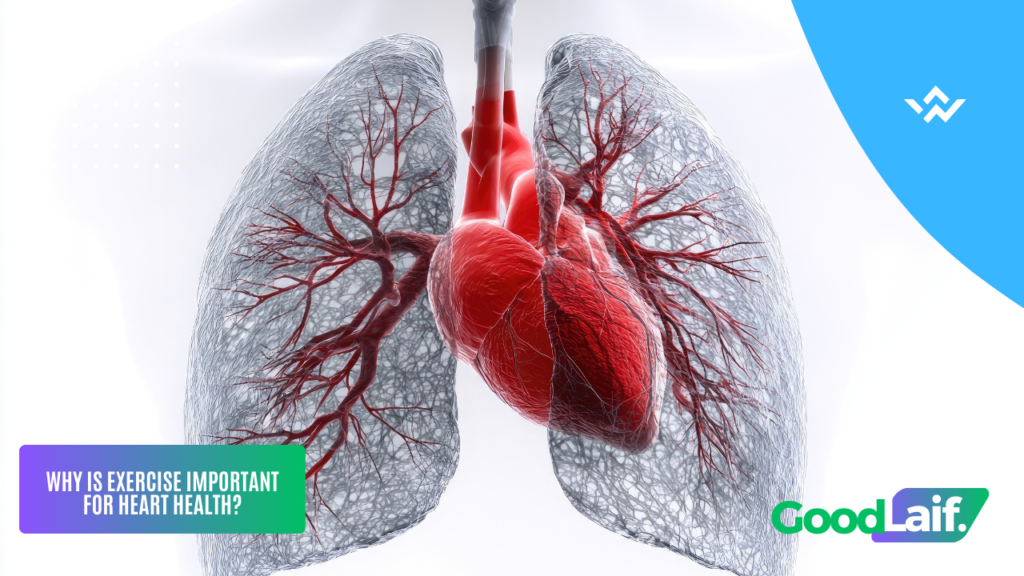
The main benefit of exercise for heart health lies in its ability to strengthen the heart muscle and improve blood circulation. During physical activity, the heart rate increases to supply oxygen-rich blood throughout the body. Over time, this process trains the heart to pump more efficiently, both during activity and while resting.
Exercise also helps lower blood pressure and regulate bad cholesterol (LDL) levels, two major risk factors for heart disease. In addition, regular physical activity supports stable blood sugar levels, reducing the risk of heart-related complications associated with diabetes.
Equally important is the mental health benefit. When you exercise, the body naturally releases endorphins that help the mind feel calmer, reduce stress, and improve mood. A relaxed mental state plays an important role in supporting overall heart function and long-term cardiovascular health.
Types of Exercise That Are Good for the Heart
You don’t need intense or exhausting workouts to protect your heart. Many simple activities qualify as effective exercise for heart health, including:
- Walking
Brisk walking for about 30 minutes a day is one of the easiest and safest ways to strengthen the heart. It is suitable for all ages and fitness levels. - Cycling
Cycling improves heart and lung endurance while strengthening leg muscles, with minimal impact on the joints. - Swimming
Swimming engages almost all muscle groups and helps train the heart in a balanced and efficient way. - Light aerobics or cardio workouts
Rhythmic movements help gradually increase heart rate and maintain cardiovascular fitness.
Recommended Duration and Frequency
To gain the full benefits of exercise for heart health, consistency is key. Health experts generally recommend at least 150 minutes of moderate-intensity exercise per week, or about 30 minutes a day for five days.
For beginners, it is best to start with shorter sessions and lighter intensity, then gradually increase as fitness improves. Always remember to warm up before exercising and cool down afterward to keep heart rhythm stable and reduce the risk of injury.
Long-Term Benefits of Regular Exercise for the Heart
When practiced regularly, exercise for heart health offers many long-term benefits, such as:
- Lower risk of heart disease and stroke
- Better weight management
- Improved sleep quality and daily energy levels
- Enhanced overall quality of life
People who stay physically active tend to feel more energetic, maintain better endurance, and handle daily activities without excessive fatigue.
Read Also : Exercise to Lower Blood Sugar That Is Often Overlooked
Conclusion
Taking care of your heart does not require complicated routines or expensive equipment. By making exercise for heart health part of your daily lifestyle, you are already giving vital protection to one of the most important organs in your body. Start with simple activities, stay consistent, and enjoy the positive changes that follow.
A healthy heart is the foundation of a longer, more active, and higher-quality life. The best time to start caring for it is today, not tomorrow.