
Have you ever tried to eat “normally,” yet your weight keeps increasing and your cholesterol levels rise unexpectedly? Without realizing it, you may be consuming foods that contain bad fats. These unhealthy fats are often hidden in everyday meals and snacks, and because they taste delicious, they can be difficult to avoid—especially when you are busy or craving something quick.
Bad fats generally refer to saturated fats and trans fats. When consumed in excess, these fats can raise levels of low-density lipoprotein (LDL), commonly known as “bad” cholesterol, while lowering high-density lipoprotein (HDL), or “good” cholesterol. Over time, this imbalance may increase the risk of heart disease, stroke, and other cardiovascular problems.
What Are Bad Fats?
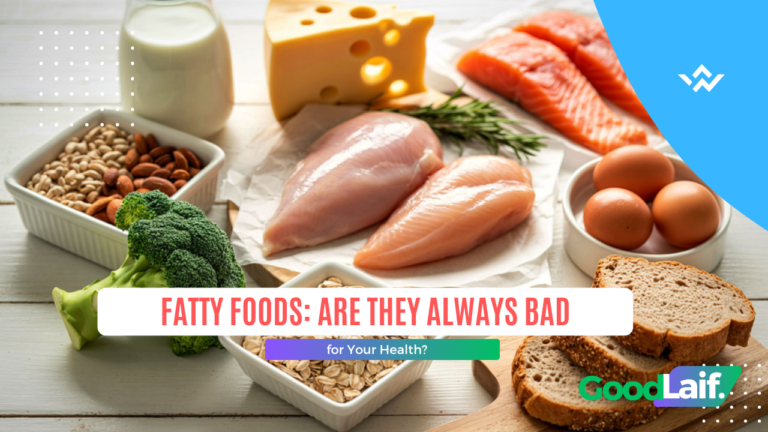
Fat is an essential nutrient that provides energy and helps the body absorb certain vitamins. However, not all fats are created equal. Unsaturated fats, such as those found in avocados, nuts, and fish, are considered healthier options when eaten in moderation. In contrast, saturated fats and especially trans fats are labeled as bad fats because of their negative impact on heart health.
Trans fats are particularly harmful. They not only increase bad cholesterol but may also promote inflammation and raise the risk of long-term health complications.
Foods That Contain Bad Fats
Here are several common foods that contain bad fats and should be limited:
1. Fast Food
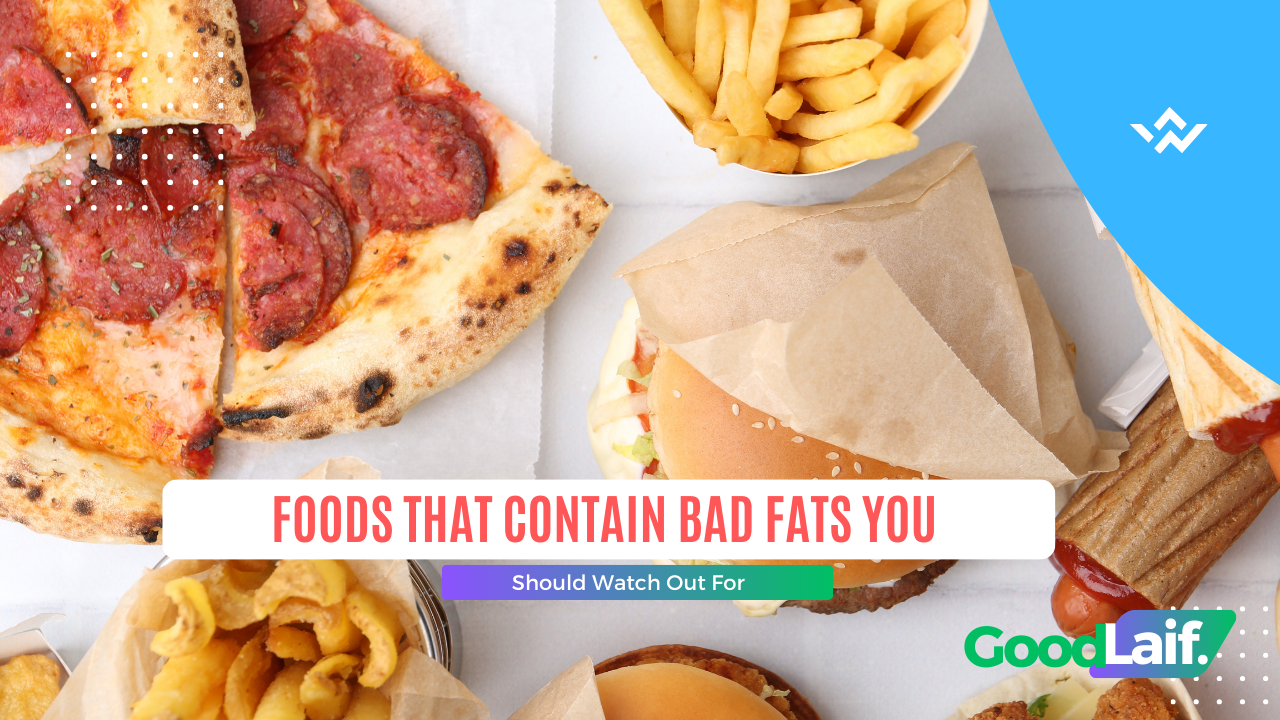
Burgers, fried chicken, French fries, and pizza are often cooked in oils that may be reused multiple times. This process can increase trans fat content, making these foods unhealthy when eaten frequently.
2. Fried Foods
Deep-fried snacks such as fritters, fried tofu, or fried bananas are popular and tasty. However, cooking with large amounts of oil at high temperatures significantly increases saturated fat and overall calorie content.
3. Processed and Packaged Snacks
Biscuits, cookies, wafers, pastries, and certain margarines may contain partially hydrogenated oils—a major source of trans fats. These ingredients improve texture and shelf life but are harmful to health.
4. Fatty and Processed Meats
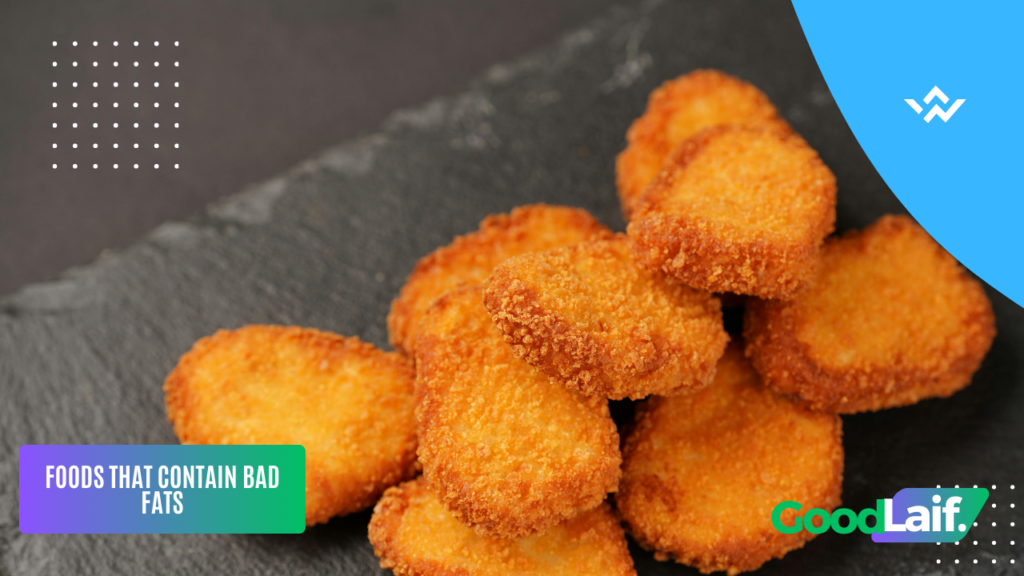
Sausages, nuggets, bacon, and cuts of meat with visible fat are typically high in saturated fat. Frequent consumption can contribute to higher cholesterol levels.
5. High-Fat Dairy Products
Full-cream cheese, butter, and heavy cream also contain saturated fats. While they can be enjoyed occasionally, excessive intake may negatively affect heart health.
Health Risks of Excessive Bad Fat Intake
Consuming foods high in bad fats over a long period can lead to plaque buildup in the arteries, a condition known as atherosclerosis. This restricts blood flow and increases the risk of heart attacks and strokes. Additionally, high intake of unhealthy fats can contribute to obesity, high blood pressure, and metabolic disorders.
One important thing to remember is that the effects are not always immediate. Many people only discover the consequences after routine health screenings reveal elevated cholesterol levels.
How to Reduce Bad Fat Consumption
You do not need to eliminate all your favorite foods, but moderation is key. Consider these practical steps:
- Choose cooking methods such as steaming, boiling, or grilling instead of deep-frying.
- Read nutrition labels and avoid products containing “partially hydrogenated oil.”
- Increase your intake of vegetables, fruits, whole grains, nuts, and fish.
- Use healthier oils, such as olive oil, in reasonable amounts.
Read Also : High-Sugar Foods: Sweet Treats with Often Overlooked Effects
Conclusion
Foods that contain bad fats are widely available and often very tempting. However, frequent consumption can significantly increase the risk of heart disease and other health problems. By making smarter food choices and maintaining a balanced diet, you can protect your long-term health without completely giving up the foods you enjoy.







+ There are no comments
Add yours