


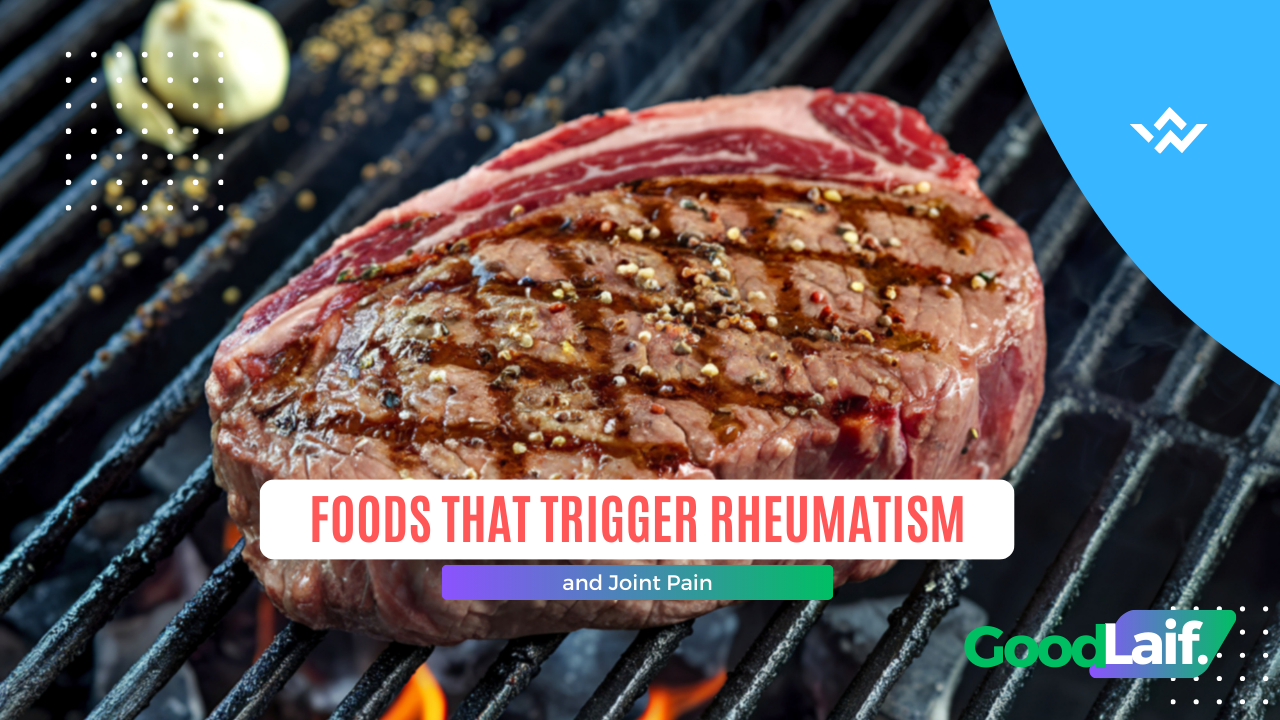
Have you ever suddenly felt stiffness or pain in your joints and wondered what might be causing it? Many people don’t realize that what they eat daily can significantly affect their overall condition. In fact, certain foods may contribute to inflammation and discomfort in the joints. Among various lifestyle factors, diet is often overlooked, even though some foods have strong inflammatory properties and can become foods that trigger rheumatism or worsen existing symptoms.
Interestingly, not everyone reacts the same way to certain foods. However, many studies show that some food types have stronger inflammatory effects and can trigger bodily responses that eventually cause discomfort. If you frequently experience joint pain, understanding which foods can worsen rheumatism is the first step to preventing the symptoms from becoming more severe.
Why Can Food Trigger Rheumatism?
Before discussing the specific foods that trigger rheumatism, it’s essential to understand the mechanism behind it. Rheumatism is a condition involving inflammation in the joints. Certain foods—especially those high in purines, sugar, saturated fats, or chemical additives—can increase inflammation in the body. When this happens, the joints become more sensitive, swollen, or painful, causing rheumatism symptoms to appear or worsen.
Moreover, a diet high in calories and low in nutrients can lead to weight gain. Excessive weight places additional pressure on the joints, especially the knees, hips, and ankles. The combination of inflammation and extra weight makes rheumatism symptoms more likely to occur.
Types of Foods That Trigger Rheumatism
1. High-Purine Foods
Purines break down into uric acid. When uric acid levels become too high, the body can experience inflammation and gout, which is one of the most common forms of rheumatism. Common high-purine foods that trigger rheumatism include:
- Organ meats (liver, kidney, tripe)
- Fatty red meats
- Seafood such as sardines, anchovies, and shellfish
Consuming these foods excessively can increase uric acid levels and worsen rheumatism symptoms.
2. Foods High in Saturated Fat
Saturated fats are known to increase inflammation in the body. Therefore, foods like deep-fried dishes, excessive butter, and processed meats can worsen joint conditions. Regular consumption of these foods that trigger rheumatism can heighten the risk of joint pain and stiffness.
3. Sugary Foods and Sweetened Drinks
Soda, cakes, candy, and other sugary foods can elevate insulin levels and trigger inflammation. Additionally, high sugar intake causes fat buildup in the body, which puts more pressure on the joints.
4. Processed and Fast Foods
These foods often contain preservatives, high sodium, trans fats, and other harmful additives. Instant noodles, packaged snacks, frozen pizza, and fast-food fried chicken can increase inflammation and worsen rheumatism.
5. Alcohol
Excessive alcohol intake can raise uric acid levels in the blood. Moreover, alcohol can disrupt metabolism and cause dehydration, which further aggravates joint discomfort.
Should You Avoid All These Foods Completely?
You don’t necessarily have to eliminate all these foods from your diet. However, limiting the portion and frequency of these foods that trigger rheumatism can significantly reduce inflammation risk. Simple steps like replacing red meat with chicken, reducing added sugar, and increasing fruit and vegetable intake can make a big difference.
Foods Safe for Rheumatism Sufferers

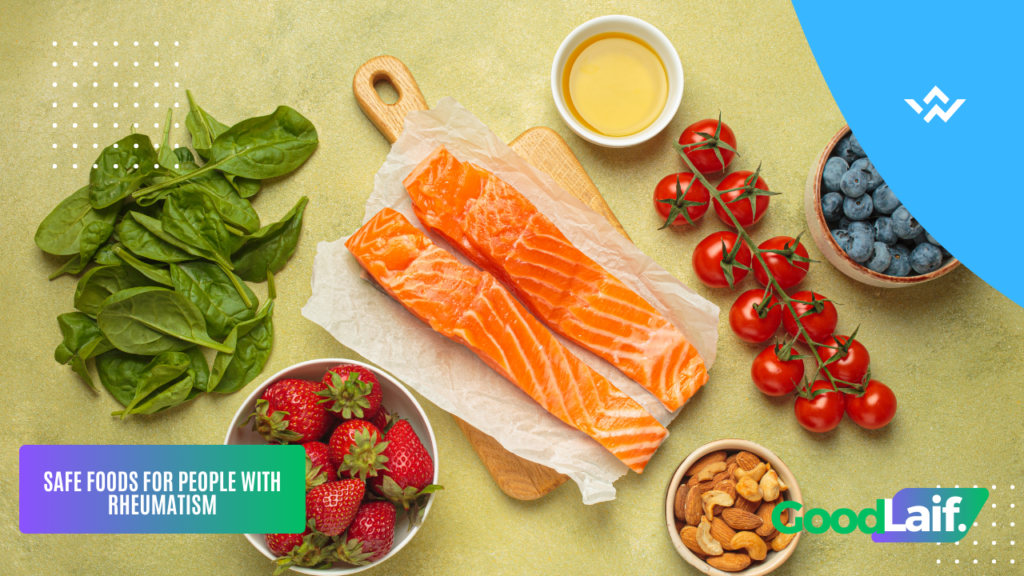
To maintain a balanced diet, you can increase your intake of:
- Healthy fatty fish (salmon, tuna, mackerel)
- Antioxidant-rich fruits (berries, apples, oranges)
- Leafy green vegetables
- Nuts and legumes
- Olive oil
- Green tea
These foods contain essential nutrients and natural anti-inflammatory properties that help reduce inflammation.
Read Also : Waking Up with Chest Pain: Causes and How to Overcome It
Conclusion
Understanding foods that trigger rheumatism is crucial for maintaining joint health. Certain foods—such as organ meats, fatty red meats, fried foods, sugary snacks, and processed items—can cause or worsen inflammation. Recognizing the connection between diet and rheumatism allows you to make smarter food choices. Ultimately, a balanced and nutrient-rich diet can help reduce flare-ups and improve your overall quality of life.