


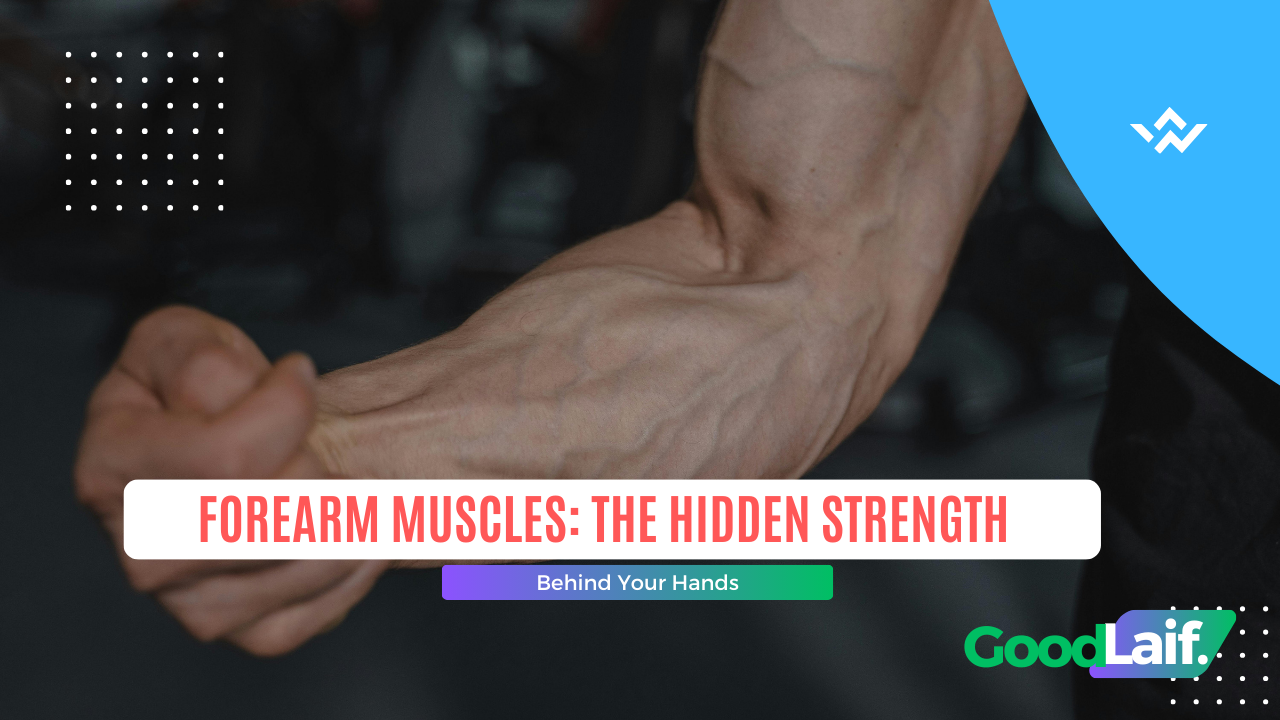
Have you ever wondered why some people can grip more strongly, lift weights more steadily, or perform small activities like opening a jar with ease? Interestingly, the answer doesn’t always lie in the size of the upper arm, but rather in a part that is often overlooked: the forearm muscles. Many people focus on training their biceps and triceps, yet real hand and wrist strength comes from this small but essential muscle group.
If your grip gets tired quickly during weightlifting, if you struggle to maintain form during pull-ups, or if your hands cramp easily while typing or working at a desk, it’s likely that your forearm muscles aren’t working optimally. In fact, the forearms don’t just determine strength—they also control stability and precision in almost all daily activities.
What Are Forearm Muscles?
Forearm muscles are a group of muscles located along the lower arm, from the elbow to the wrist. They control finger movements, hand motions, and wrist stability. Simply put, forearm muscles are responsible for:
- Grip strength
- Wrist flexion and extension
- Rotational movements (supination and pronation)
- Hand and finger coordination
Although used frequently in daily life, everyday activities are often not enough to make them strong or resilient—especially if you spend a lot of time working with computers or gadgets.
Benefits of Strengthening Forearm Muscles
1. Improving Grip Strength
Good grip strength is helpful not only during workouts but also in daily tasks like carrying groceries, opening jars, or lifting heavy objects.
2. Supporting Exercise Performance
Exercises such as deadlifts, pull-ups, chin-ups, farmer walks, and rowing rely heavily on grip strength. Strong forearms help you lift heavier weights without tiring quickly.
3. Reducing Injury Risk
Weak wrists are more prone to injury, especially during barbell exercises, push-ups, or repetitive activities like typing. Strong forearms help stabilize the joints.
4. Increasing Hand Endurance
Climbers, gymnasts, cyclists, boxers, and even office workers benefit from trained forearms because they help prevent quick fatigue or hand cramps.
How to Train Forearm Muscles

1. Wrist Curl and Reverse Wrist Curl
These classic exercises target the front and back of the forearm. You can use light dumbbells or barbells to build muscle endurance.
2. Farmer Walk
Hold weights in both hands and walk a few meters. This exercise boosts grip strength while improving overall stability.
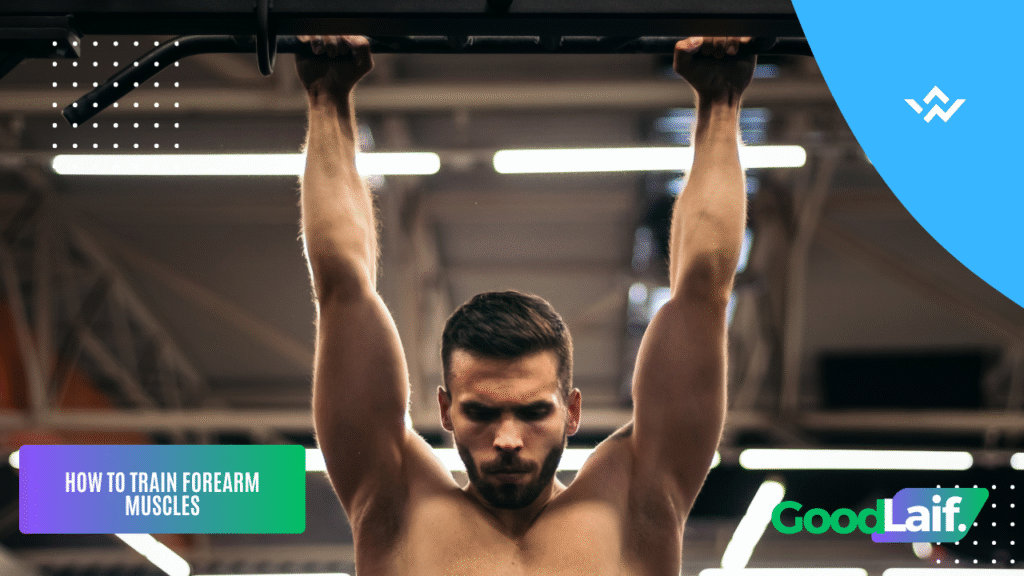
3. Dead Hang
Hang from a pull-up bar for as long as possible. Simple yet highly effective for strengthening the forearms and fingers.
4. Finger Curl
Hold a light barbell and roll it down your fingers before gripping it again. This small movement is excellent for strengthening the tiny muscles in your fingers.
5. Wrist Rotation
Rotation exercises with dumbbells help strengthen the muscles responsible for pronation and supination.
Signs Your Forearm Muscles Are Weak
If you experience the following, your forearms may need extra training:
- Your grip gets tired quickly
- You struggle with pull-ups due to weak grip
- Your hands cramp or fatigue easily while typing
- Your wrists feel unstable or sore during push-ups
Read Also : Muay Thai: The Martial Art That Transform Body and Mind
Conclusion
Though often forgotten, forearm muscles are the foundation of hand and wrist strength. From sports performance to everyday tasks, these small but important muscles play a major role. Training your forearms consistently not only increases grip strength but also enhances stability, reduces injury risk, and improves overall performance.
If your workouts feel limited or your hands tire easily, the answer may lie in your forearms. Start training them regularly—results will come sooner than you expect.