


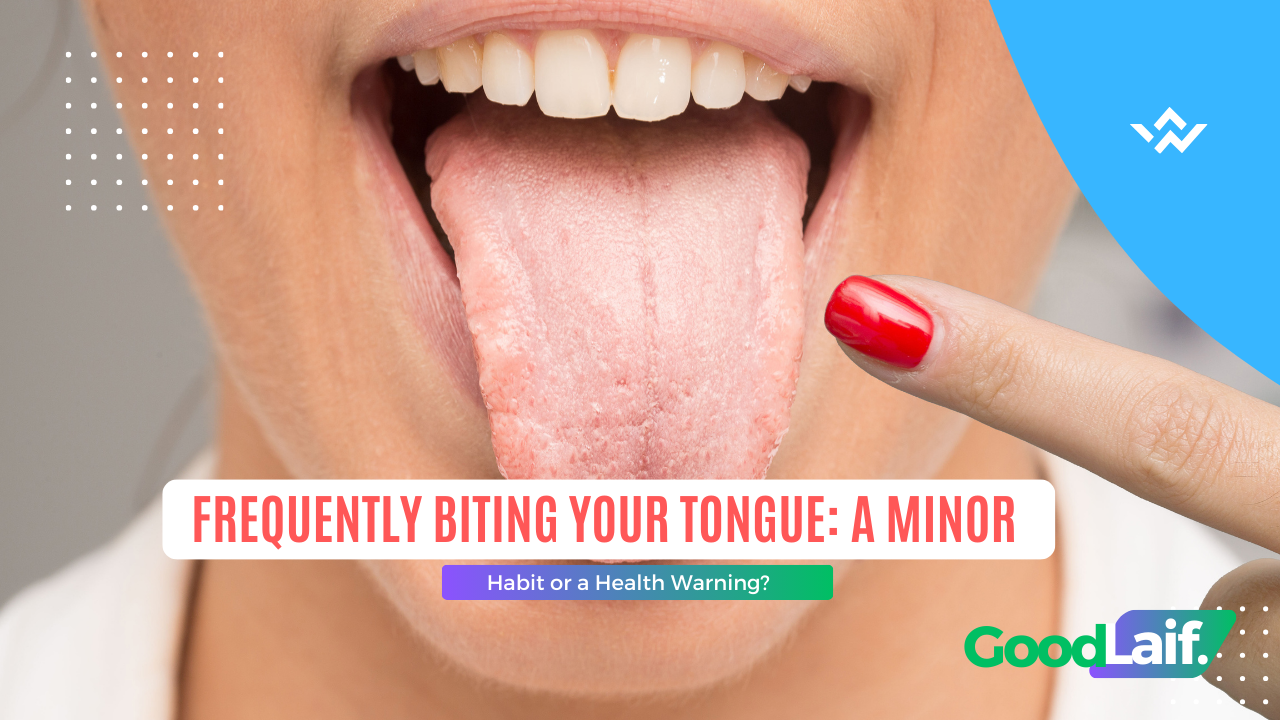
Have you ever suddenly felt a sharp pain because you accidentally bit your tongue while eating or talking? At first, it may seem like a small and harmless incident. However, when this happens repeatedly, many people begin to wonder whether it is just a bad habit or a sign of an underlying health issue. The discomfort can interfere with daily activities and even reduce appetite. Experiencing frequently biting your tongue is more common than most people realize. Yet, when it occurs too often without a clear reason, it deserves closer attention.
Common Causes of Frequently Biting Your Tongue
One of the most common causes is misaligned teeth. Crowded, uneven, or protruding teeth can make the tongue more vulnerable to being caught between the jaws while chewing. Eating too quickly is another frequent trigger, as poor coordination between the tongue and jaw increases the risk of injury.
Stress is also a factor that is often overlooked. When someone is under emotional pressure, the jaw muscles may tense unconsciously. This tension can disturb normal mouth movement, making tongue injuries more likely.
In some cases, mild nerve disturbances may play a role. When reflexes are slower than usual, the tongue may not move away quickly enough as the jaw closes. This is why the problem often appears when the body is tired or lacking rest.
Is Frequently Biting Your Tongue Dangerous?
In most situations, frequently biting your tongue is not dangerous and the wound can heal on its own. However, repeated injuries can lead to mouth ulcers, swelling, or even infection if oral hygiene is poor.
If the wound does not heal within two weeks or is accompanied by severe pain or bleeding, medical attention is strongly recommended. When tongue injuries occur together with numbness, difficulty speaking, or loss of coordination, they may indicate nerve-related problems that require professional evaluation.
How to Prevent Tongue Injuries

One of the simplest preventive steps is slowing down while eating. Chewing food calmly allows better coordination between the jaw and tongue. Avoid talking while chewing, as this habit significantly increases the risk of accidental bites.
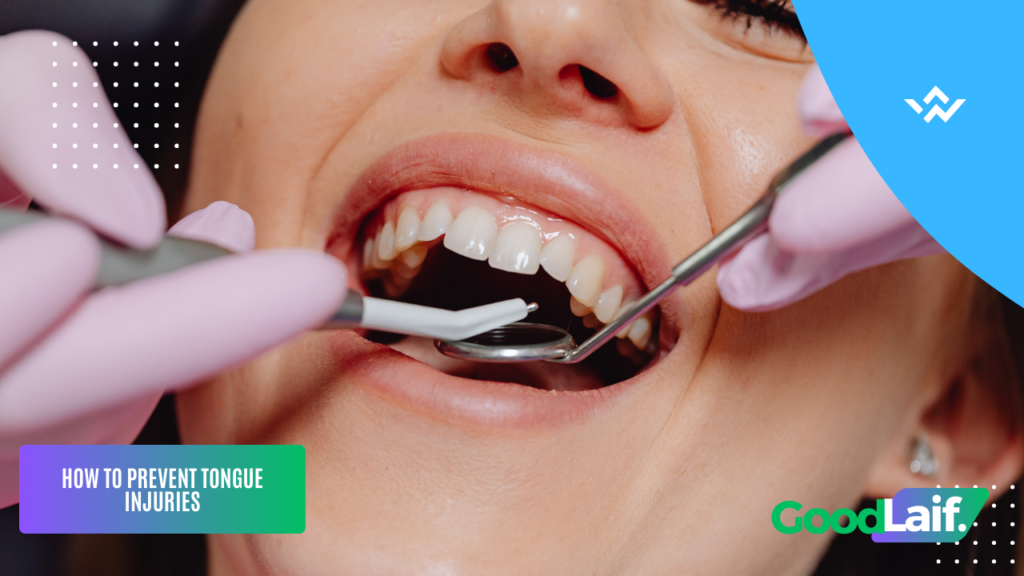
Maintaining good dental health is equally important. Regular dental check-ups can help identify tooth alignment problems that may contribute to the issue. In some cases, orthodontic treatment or protective dental devices may be recommended.
Managing stress also plays an essential role. Relaxation techniques such as deep breathing, light exercise, or meditation can help reduce jaw tension and improve muscle control.
Daily Habits That Help Reduce the Risk
To minimize the chance of recurring tongue injuries, adopting a healthy lifestyle is key. Getting enough sleep, staying hydrated, and consuming balanced nutrition support proper nerve function.
It is also important to be aware of teeth grinding during sleep. This habit can increase pressure on the tongue and surrounding tissues. If grinding occurs frequently, using a night guard can help protect the mouth from repeated injury.
Read Also : How to Care for Tooth Implants to Last for Decades
Conclusion
Although it may seem trivial, frequently biting your tongue can be a sign that your body is experiencing minor disturbances related to habits, dental structure, or stress. By understanding the possible causes and practicing simple preventive measures, this uncomfortable problem can often be avoided. If symptoms persist or worsen, consulting a healthcare professional is the best step to ensure long-term oral health and daily comfort.