


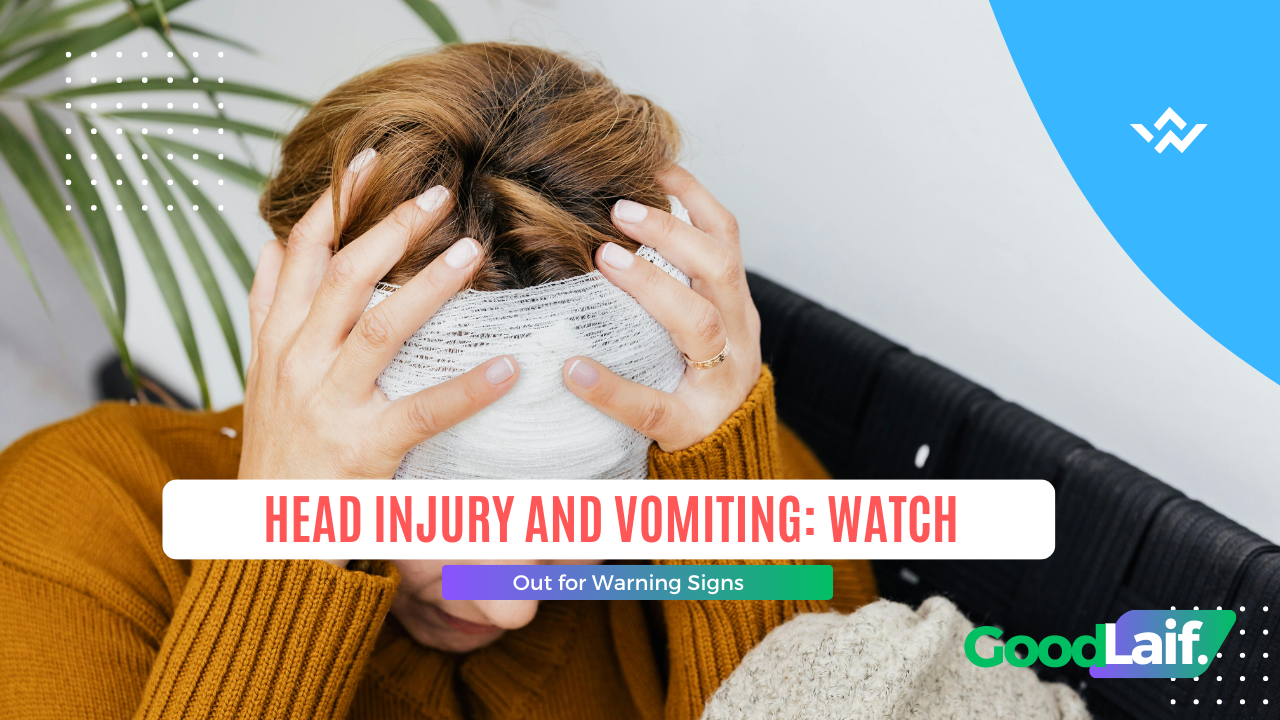
Have you ever hit your head and then felt nauseous or even started vomiting shortly afterward? Many people consider this a minor issue caused by shock or fatigue and choose to ignore it. However, this assumption can be dangerous. Head injury and vomiting may be an important warning sign that should never be taken lightly, especially when both occur together or repeatedly.
A blow to the head can affect the brain, a vital organ responsible for controlling almost all body functions. That is why understanding what happens after a head injury is crucial to preventing more serious consequences.
What Happens When the Head Is Injured?
When the head is hit, the brain inside the skull can be shaken or jolted. This can happen due to falls, traffic accidents, sports injuries, or hitting a hard object. In mild cases, symptoms may only include dizziness or a headache. However, stronger impacts can cause damage to brain tissue.
If vomiting occurs after a head injury, it may indicate irritation or increased pressure in the brain. Vomiting is one of the body’s responses to disturbances in the central nervous system and should not be ignored.
Why Can a Head Injury Cause Vomiting?

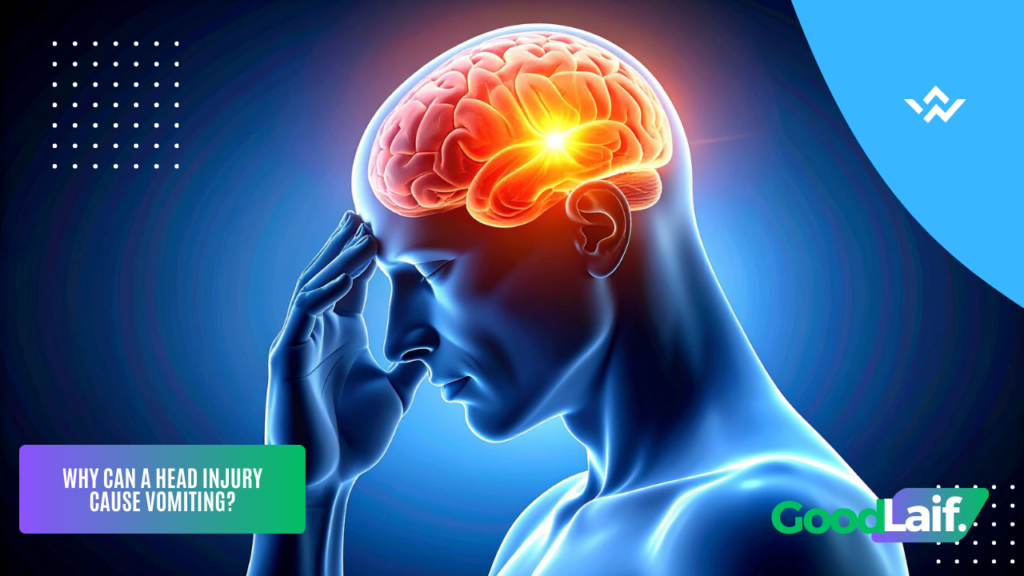
Head injury and vomiting are often associated with a concussion. A concussion occurs when the brain experiences a sudden movement or impact. This condition can trigger symptoms such as headache, nausea, vomiting, blurred vision, dizziness, and difficulty concentrating.
Vomiting may also result from increased pressure inside the skull. In more severe cases, especially after a strong impact, internal bleeding in the brain may occur. This is why vomiting after a head injury should always be treated as a serious sign.
Warning Signs You Should Not Ignore
Not all head injuries are dangerous, but certain symptoms require immediate medical attention. These include repeated vomiting, worsening headache, loss of consciousness, seizures, confusion, difficulty speaking, or noticeable changes in behavior.
Children and older adults are at a higher risk of complications. If a child experiences head injury and vomiting, even if they appear fine at first, close monitoring during the first 24 hours is strongly recommended.
First Aid Steps After a Head Injury
If someone suffers a head injury, the first step is to ensure they are in a safe and calm environment. Let the person rest and avoid physical activity. Applying a cold compress to the injured area may help reduce pain and swelling.
However, if vomiting occurs after the injury, do not force the person to eat or drink. Observe how often vomiting happens and watch for other symptoms. Seek medical help immediately if vomiting happens more than once or is accompanied by other warning signs.
When Should You See a Doctor?
Head injury and vomiting are a combination of symptoms that should never be ignored. Medical evaluation is highly recommended if vomiting appears several hours after the injury, continues repeatedly, or is accompanied by drowsiness or reduced awareness.
A doctor may perform neurological examinations or imaging tests such as a CT scan to check for serious brain injury. Early and proper treatment can prevent long-term complications.
How to Prevent Head Injuries
Prevention is always better than treatment. Wear a helmet when riding a motorcycle, bicycle, or participating in contact sports. Make sure your home environment is safe to reduce the risk of falls, especially for children and older adults. Simple preventive measures can significantly lower the risk of head injuries.
Read Also : What Frequent Headaches Might Indicate and Why They Happen
Conclusion
Head injury and vomiting should not be considered a minor problem. While some cases may be mild, this combination of symptoms can signal a serious condition affecting the brain. Recognizing warning signs and seeking medical care promptly are essential steps in protecting long-term health and safety.
Do not hesitate to act. It is always better to seek medical attention early than to face serious complications due to delayed treatment.