


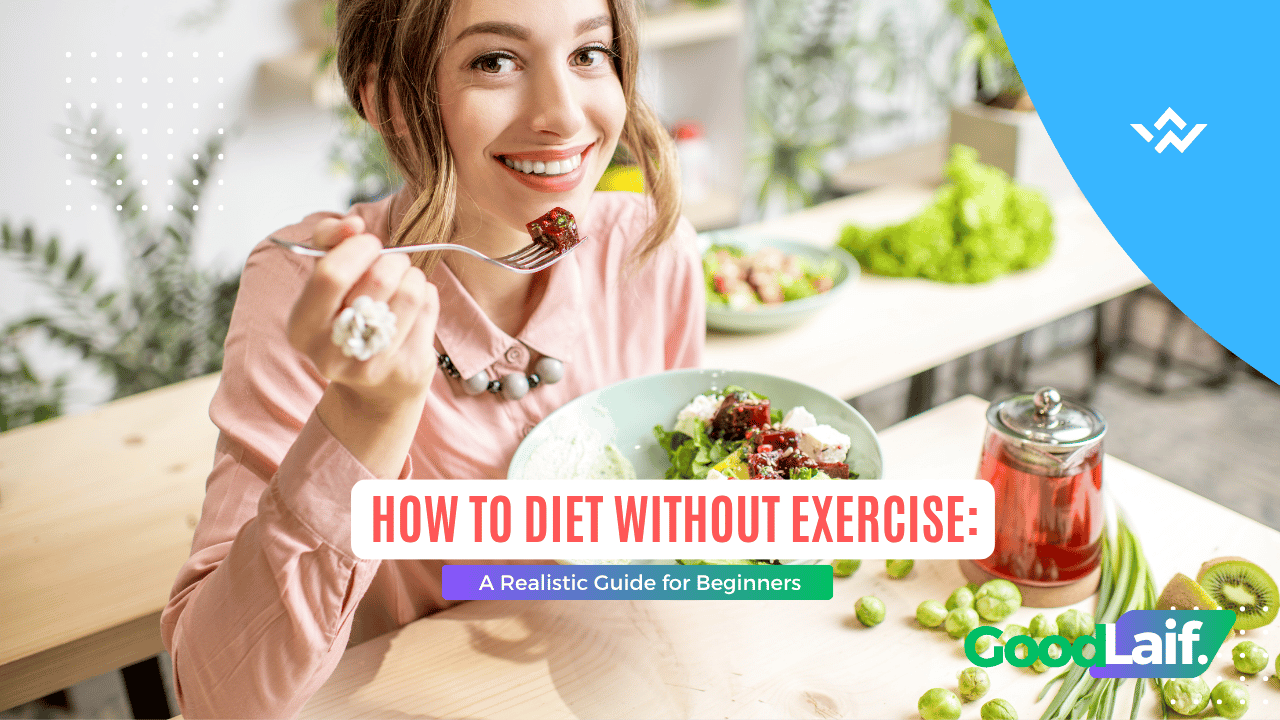
Want to lose weight but can’t exercise regularly? Maybe your schedule is packed, you’re tired, or you simply don’t enjoy working out. Don’t worry, how to diet without exercise is still possible by making changes to your food choices and daily habits.
Exercise is great for your health, but losing weight isn’t only about working out. What you eat, how much you eat, and your everyday habits all play a role.
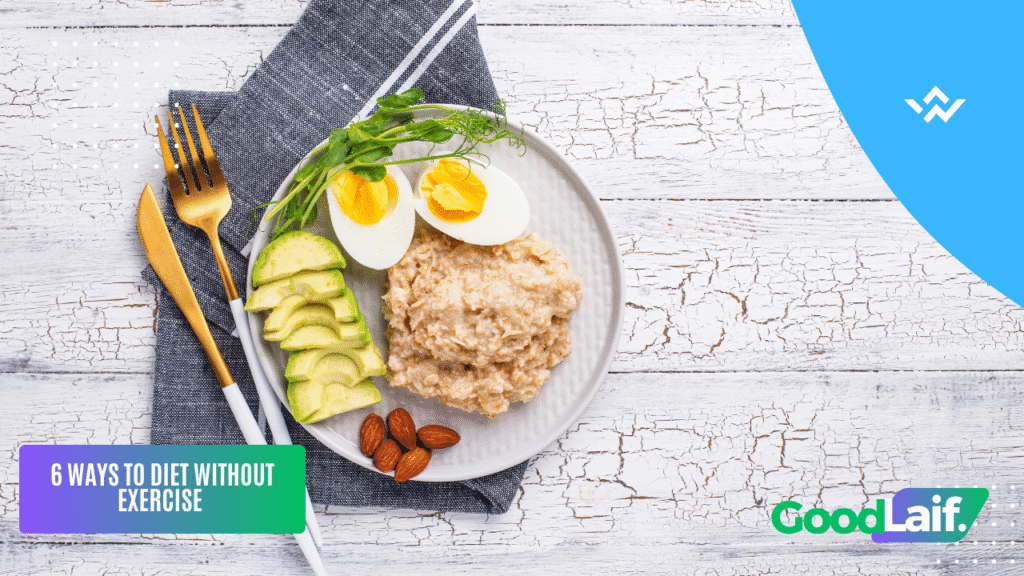
6 Ways to Diet Without Exercise

1. Cut Back on Sugary Drinks
Still drinking boba, sweet coffee, or iced tea all the time? This is a good place to start.
Sugary drinks can be high in calories without keeping you full for long. You don’t have to quit them completely right away. Try reducing the sugar gradually or choosing water more often.
This simple habit is much easier to maintain than following a complicated diet.
2. Manage Your Portions
Dieting doesn’t mean you have to eat as little as possible. If your portions are way too small, you’ll probably end up feeling hungry and overeating later.
Try using the “balanced plate” approach: 1/4 of the plate for protein, 1/4 for carbohydrates, and the remaining 1/2 for vegetables and fruit. You can still eat rice, but add more vegetables and a good source of protein.
For example, you could have rice, grilled chicken, stir-fried vegetables, and some fruit. There’s no need to completely cut out rice just because you’re trying to lose weight.
3. Choose Foods That Keep You Full
Ever eaten a meal and felt hungry again an hour later? Take a closer look at what’s on your plate.
Protein and fiber-rich foods can help you stay full for longer. Eggs, fish, chicken, tofu, tempeh, vegetables, fruit, and nuts can all fit into your daily meals.
You don’t need to change everything at once. Add more filling foods little by little.
4. Cut Down on Mindless Snacking
Sometimes the problem isn’t your main meals but the snacks you keep reaching for throughout the day.
For example, you eat biscuits while working, grab some fried snacks in the afternoon, and then snack on chips at night. Each one may seem small, but those calories can add up over time.
If you’re actually hungry, choose snacks like fruit, yogurt, eggs, or nuts. Just keep the portions reasonable.
5. Don’t Eat Just Because You’re Bored
Ever opened the fridge even though you weren’t actually hungry? Boredom, stress, or simply being used to snacking can make you eat when your body doesn’t really need food.
Before grabbing a snack, pause for a moment and ask yourself, “Am I actually hungry, or do I just feel like chewing something?”
If you’re only bored, try doing something else for a while. Read, chat with someone, tidy your room, or do another activity you enjoy.
6. Pay Attention to Your Sleep
Not getting enough sleep can also throw off your eating schedule. When you sleep too little, you may feel hungrier or crave high-calorie foods the next day.
So besides managing your food, try to get enough sleep and keep a consistent sleep schedule.
Can You Lose Weight Without Exercise?
Now you’re probably wondering…
Yes, especially if you consume fewer calories than your body uses. But the results can vary from person to person.
Your progress may also be slower compared with combining diet changes with exercise. So don’t expect dramatic weight loss in a short time. Losing 2–3 kg in the first month can be a safe and realistic goal for some people, but your realistic target depends on your body and individual needs.
Exercise is still great for your overall health, muscle strength, and fitness. If you eventually feel ready to move more, you can gradually add physical activity to your routine.
Read Also : Exercises for Weight Loss That Help Burn Fat Effectively Naturally
So, Where Should You Start?
How to diet without exercise doesn’t have to involve complicated rules. Start with just one thing this week: replace boba with water.
Once that becomes a habit, move on to the next step. You could start managing your portions or cutting back on mindless snacking.
You don’t need to chase instant results. The best approach is to choose habits you can actually stick with without feeling like you’re punishing yourself.
Important: This article isn’t a substitute for advice from a doctor or registered dietitian. If you have a health condition, are pregnant, or have a history of an eating disorder, talk to a healthcare professional before making major changes to your diet.