
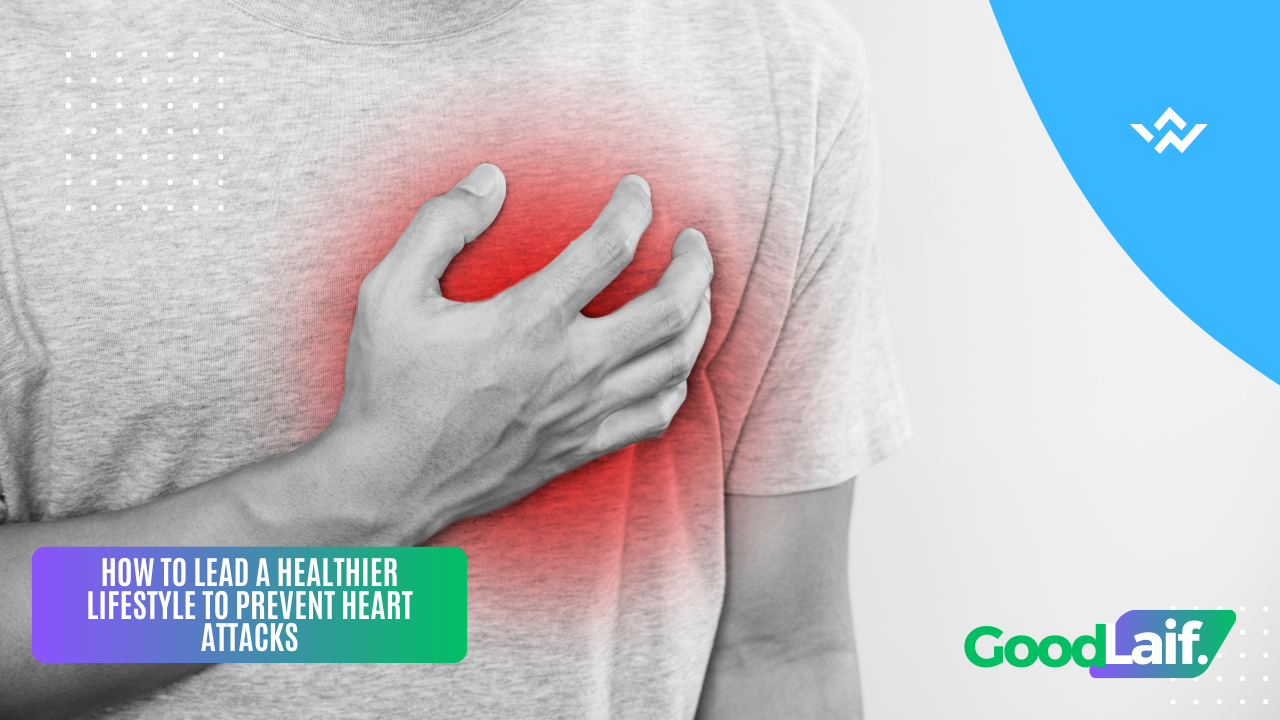
Have you ever heard of someone suffering a heart attack out of the blue when they seemed to be in good health, active, and had no history of major illness? This illness can strike without warning and frequently surprises those around them. In actuality, heart attacks can strike young people as well as the elderly. For this reason, it’s important to learn How to Prevent Heart Attacks as soon as possible.
When fat, cholesterol, or plaque accumulates in the blood vessels, it blocks the flow of blood to the heart, resulting in a heart attack. The good news is that leading a healthy lifestyle can lower this risk. These little actions can help you safeguard your heart.
Continue to Eat Healthily
Our everyday diet has a big influence on heart health. Eat more fruits, vegetables, nuts, fatty seafood (such salmon and sardines), and whole grains to help reduce heart attacks. Steer clear of fast food, foods that are overly fried, and foods that are heavy in sugar and salt. Another way to lower the risk of heart disease is to limit your intake of red meat and substitute it with plant-based proteins.
Engage in Regular Exercise
Frequent exercise helps enhance blood circulation and preserve heart health. You don’t need to engage in intense physical activity; yoga, cycling, swimming, or a 30-minute daily walk would suffice. Regular exercise lowers blood pressure, lowers bad cholesterol (LDL), and helps control weight.
Control Your Stress
Overstress can harm heart health and raise blood pressure. Try to properly handle stress by engaging in hobbies, meditation, music listening, or just obtaining enough sleep to prevent a heart attack. Don’t put off getting enough sleep, as it’s also essential for general well-being (7 to 8 hours every night).
Reduce Alcohol Use and Quit Smoking
One of the main risk factors for heart disease is smoking. Cigarettes contain dangerous chemicals that can injure blood vessels and raise the risk of clogged arteries. Similarly, drinking too much alcohol can raise blood pressure. Limiting alcohol intake and giving up smoking are essential steps if you want to genuinely safeguard your heart.
Frequent Medical Examinations
Monitoring your health on a regular basis is the last but no less crucial stage. At least every six months, check your blood sugar, cholesterol, and blood pressure. In this manner, possible issues can be identified early and addressed right away. Knowing How to Prevent Heart Attacks through regular check-ups is a simple yet powerful habit.
In conclusion
Understanding early heart attack prevention is an investment in your long-term well-being. You may greatly lower your risk of heart attack by eating a nutritious diet, exercising frequently, controlling your stress, quitting smoking, and getting regular exams. Take baby steps now to keep your heart healthy as you age.








+ There are no comments
Add yours