


Have you ever wondered why some people ‘s hair looks incredibly soft, shiny, and naturally flowing without appearing greasy? Interstingly, they do not always visit salons or rely on expensive treatments. On the other hand, your hair may feel dry, frizzy, hard to manage, or dull even though you wash it regularly. This situation often sparks curiosity: what is the best way to make hair soft and naturally flowing?
Basically, soft and flowing hair is not determined solely by natural hair type. Instead, daily hair care habits play a significant role. Without realizing it, small mistakes that seem trivial can cause hair to lose its natural moisture. Therefore, understanding proper hair care is the key to achieving healthy and beautiful hair.
1. Choose Shampoo Based on Your Hair Condition

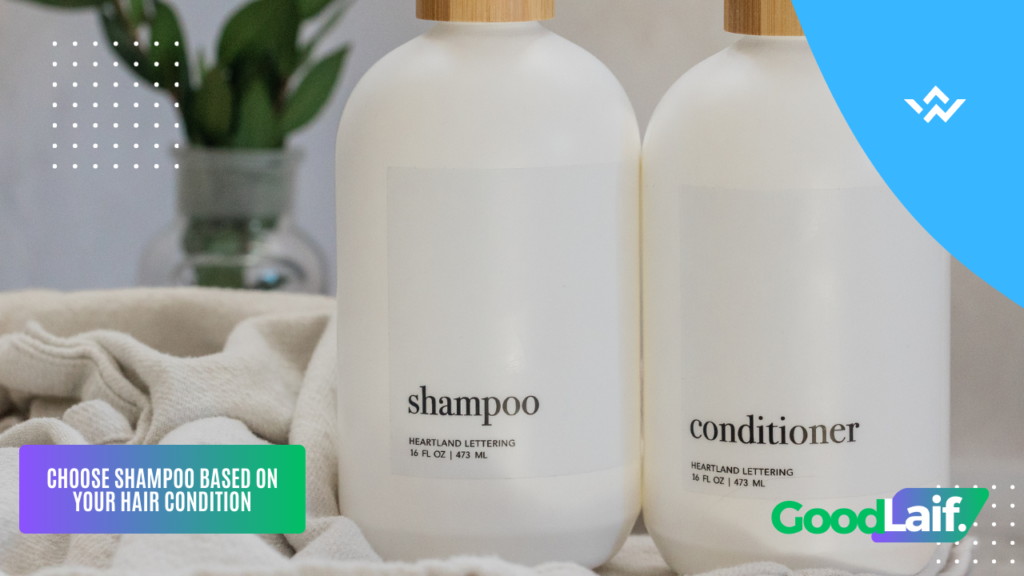
First of all, how to make hair soft and naturally flowing starts with choosing the right shampoo. Often, people are attracted to shampoos with rich foam. However, shampoos with harsh detergents can make hair dry. For this reason, choose shampoos that contain moisturizing ingredients such as argan oil, aloe vera, or keratin. In addition, if your hair tends to be dry or damaged, it is best avoid shampoos with high sulfate content, as they can strip away natural oils.
2. Never Skip Conditioner
After shampooing, using conditioner is an essential step. Conditioner helps soften hair and makes it easier to manage. To achieve the best results, apply conditioner after every wash, focusing on the mid-lengths to the ends of your hair. However, avoid applying it directly to the scalp to prevent hair from becoming greasy. As a result, the hair cuticles are sealed properly, leaving hair smoother and more naturally flowing.
3. Control Your Washing Frequency
Next, it is important to pay attention to how often you wash your hair. Washing too frequently can cause hair to lose its natural moisture. Ideally, hair should be washed two to three times a week, depending on activity level and hair type. Meanwhile, if your hair gets oily easily, you can rinse it with water only between wash days. This habit is quite effective in keeping hair clean without making it dry.
4. Use Hair Masks Regularly
Besides shampoo and conditioner, hair also needs extra care. Therefore, using a hair mask regularly is highly recommended. Hair masks provide additional nutrients that help repair hair structure. For optimal result, use a hair mask one to two times a week. Alternatively, natural masks made from aloe vera, coconut oil, or avocado can also help make hair softer.
5. Avoid Excessive Heat
In addition to hair care products, styling habits greatly affect hair health. Excessive use of styling tools such as flat irons, curling irons, or hair dryers can damage the hair shaft. As a result, hair becomes dry and prone to breakage. Therefore, if you must use a hair dryer, choose a low heat setting and keep a safe distance. In fact, letting your hair air-dry can be a simple yet effective way to make hair soft and naturally flowing.
6. Pay Attention to How You Dry Your Hair
Not only styling tools, but the way you dry your hair also matters. Rubbing hair harshly with a towel can cause frizz and damage. Instead, gently press your hair with a soft towel or microfiber towel. By doing this, hair softness is better maintained and damage can be minimized.
7. Nourish Hair from Within
Furthermore, hair care does not only come from external treatments. Healthy hair is also influenced by proper nutrition from within. For this reason, consuming foods rich in protein, iron, omega-3, and vitamin E is highly beneficial. In addition, drinking enough water every day helps maintain natural hair moisture.
8. Trim Hair Ends Regularly
Finally, do not forget to trim your hair regularly. Split ends make hair look rough and difficult to manage. By trimming your hair ends every two to three months, your hair will appear neater and healthier. As a result, hair feels softer and flows more naturally.
Read Also : Prevent Oily Hair and Maintain a Fresh, Voluminous Look All Day
Conclusion
In conclusion, how to make hair soft and naturally flowing does not always require expensive treatments or salon-exclusive products. Instead, simple habits such as choosing the right products, reducing heat exposure, and maintaining proper nutrition can deliver the best results. Ultimately, consistency is the key. When done regularly, positive changes in your hair can be falt and seen gradually.