


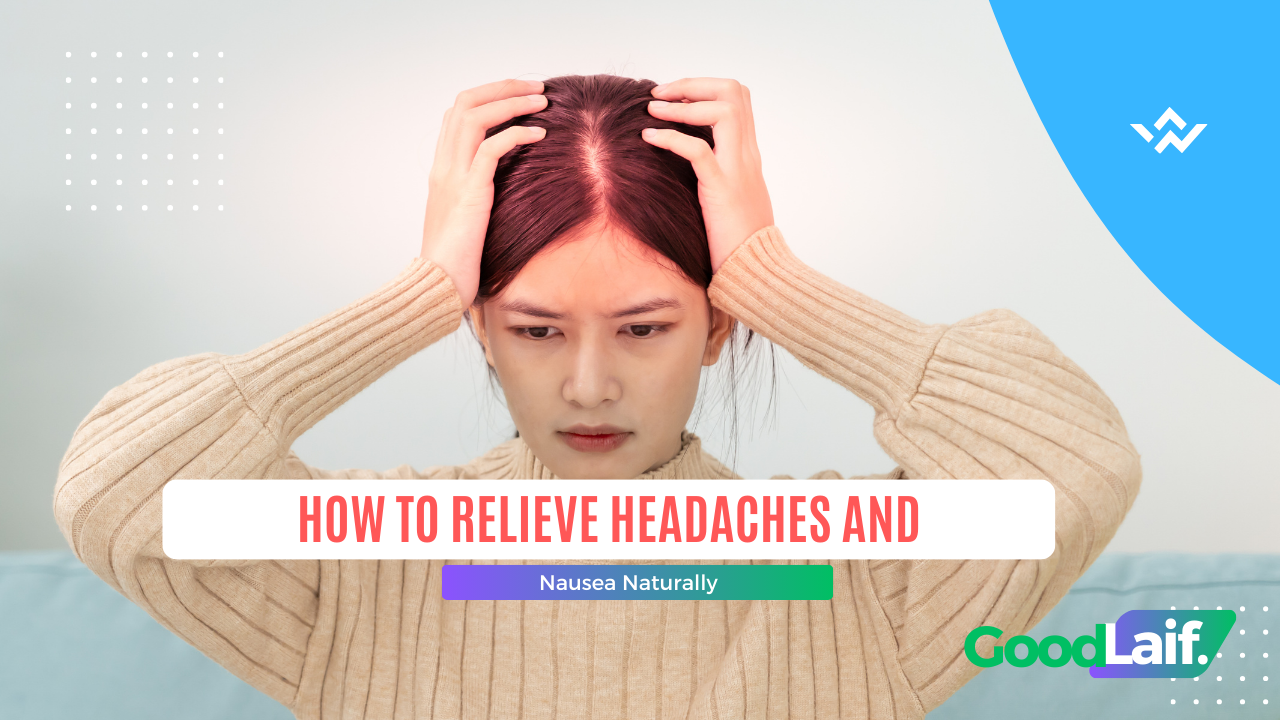
Headaches accompanied by nausea can be extremely uncomfortable and disruptive to daily activities. This condition may occur due to various factors, including fatigue, stress, lack of sleep, dehydration, or digestive problems. Therefore, understanding how to relieve headaches and nausea effectively is essential to restore comfort and maintain productivity.
1. Rest in a Quiet and Comfortable Place
One of the simplest yet most effective steps is resting in a quiet, dimly lit room. Bright lights and loud noises can worsen headaches and trigger nausea. Try lying down with your head slightly elevated and close your eyes for 15–30 minutes to help your body relax.
2. Drink Plenty of Water


Dehydration is a common and often overlooked cause of headaches and nausea. When the body lacks fluids, blood flow to the brain can be affected. Drinking water regularly can help relieve symptoms. Warm water may also soothe the stomach and reduce discomfort.
3. Consume Ginger or Herbal Tea
Ginger is well known for its ability to reduce nausea and ease mild headaches. You can consume it as warm ginger tea or boiled ginger water. Other herbal teas, such as peppermint or chamomile, can also help calm the nervous system and promote relaxation.
4. Apply a Cold or Warm Compress
Applying a compress to the head, forehead, or neck can help reduce pain. A cold compress is effective for throbbing headaches, while a warm compress works well for tension-related headaches. This method is a simple and natural way to relieve headaches and nausea without medication.
5. Maintain a Regular Eating Schedule
Skipping meals can cause low blood sugar levels, which may trigger headaches and nausea. Make sure to eat regularly with balanced portions. Choose easily digestible foods such as bananas, whole-grain bread, oatmeal, or warm soup when nausea occurs.
6. Practice Deep Breathing Techniques
Stress and anxiety often make headaches worse. Deep breathing exercises can help the body relax. Slowly inhale through your nose, hold for a moment, then gently exhale through your mouth until your body feels calmer. Practice this technique for several minutes to reduce tension.
7. Limit Screen Time
Prolonged exposure to screens can strain the eyes and lead to headaches. If you work in front of a computer or use gadgets frequently, take breaks every 20–30 minutes. Closing your eyes briefly or looking at distant objects can help reduce pressure on your head.
8. Use Medication If Necessary
If natural remedies do not provide relief, pain relievers may be used according to recommended dosages. Avoid excessive use to prevent side effects. If headaches and nausea occur frequently or last for a long time, consult a healthcare professional for proper evaluation.
In addition, identifying patterns related to your symptoms is important. Keeping a record of activities, food intake, and timing before headaches and nausea appear can help identify triggers and prevent future episodes.
Read Also : What Frequent Headaches Might Indicate and Why They Happen
Conclusion
There are many effective ways to understand how to relieve headaches and nausea, ranging from adequate rest and hydration to stress management techniques. By recognizing the underlying causes and applying the right strategies consistently, these symptoms can be reduced, leading to improved comfort and overall quality of life.